
Around the World in Costume: The Most Beautiful Carnivals of 2026
A journey through some of the world’s most spectacular and beautiful Carnivals in 2026: from Rio de Janeiro to Venice, from New Orleans to Tenerife. Discover dates, costs, traditions, cultural meanings and the unique details that make each Carnival an unforgettable experience to live and share. An inspiring guide for curious travellers and content creators in search of authentic emotions
NEWS
Rebecca P. & Raffaele F.
2/3/20266 min read
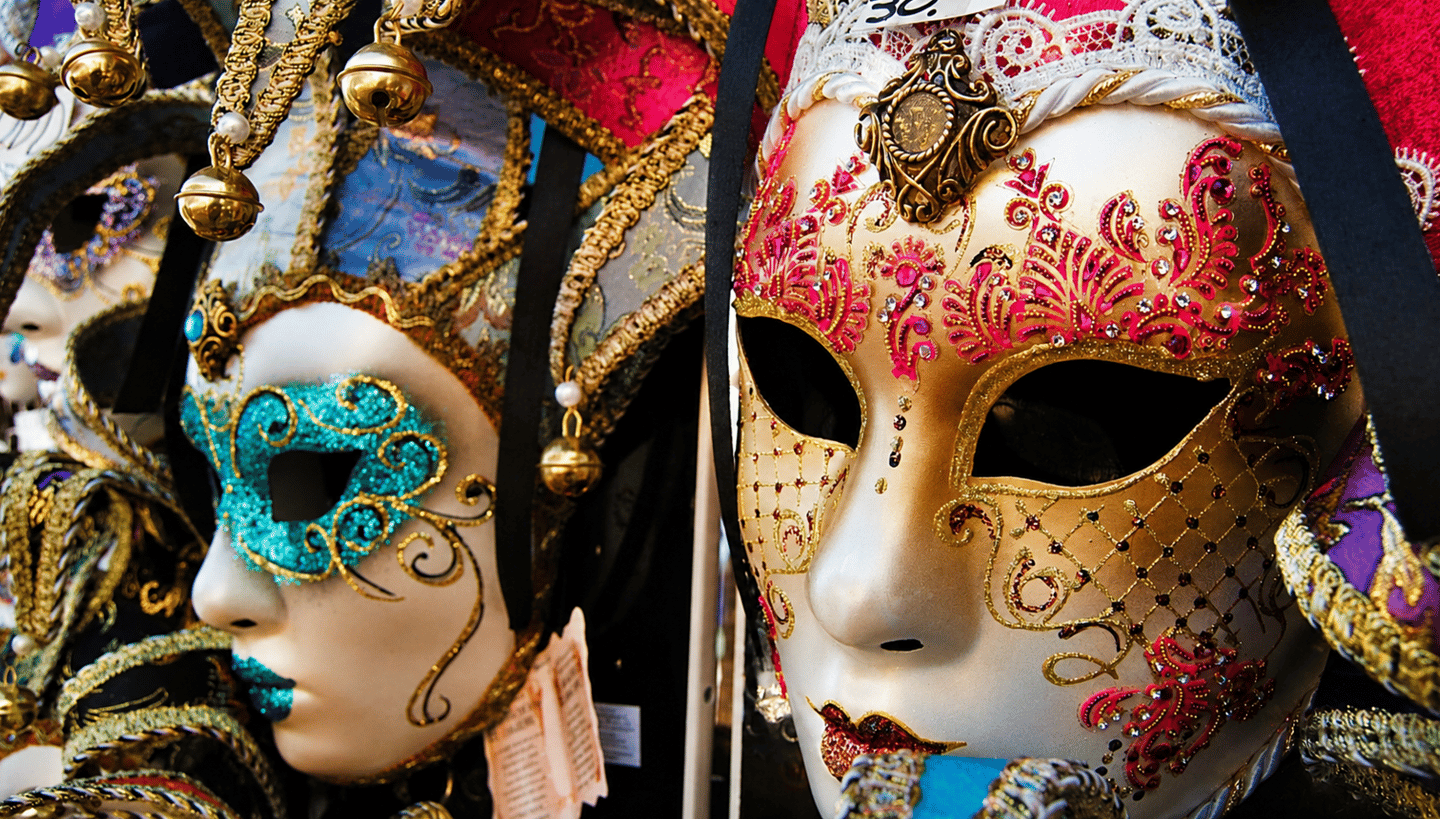
Carnival 2026 Around the World: the Most Beautiful, Iconic and Spectacular Celebrations to Experience
Carnival 2026 around the world is not just a sequence of colourful celebrations, but a journey through cultural identities, ancient rituals, artistic expression and moments of collective liberation. In every corner of the globe, this festival takes on a different face: sensual and overwhelming in South America, elegant and theatrical in Europe, spiritual and symbolic in the Andes.
To tell the story of Carnival means going beyond the surface: observing people, listening to the music, understanding the meaning behind the costumes and dances, and bringing it all back to life through images and words.
In 2026, Shrove Tuesday will fall on 17 February, so most Carnivals will take place between late January and mid-February, with some events beginning weeks earlier and others following local traditions by extending the festivities.
Here, then, is a selection of the most beautiful and famous Carnivals in the world in 2026, with indicative dates, costs and unique features to help you choose which one to experience — and tell the story of.
Rio de Janeiro Carnival: the Beating Heart of Brazil
Where: Rio de Janeiro
Dates: 13–18 February 2026
Cost: Sambadrome €40–€1,200+ | street blocos free
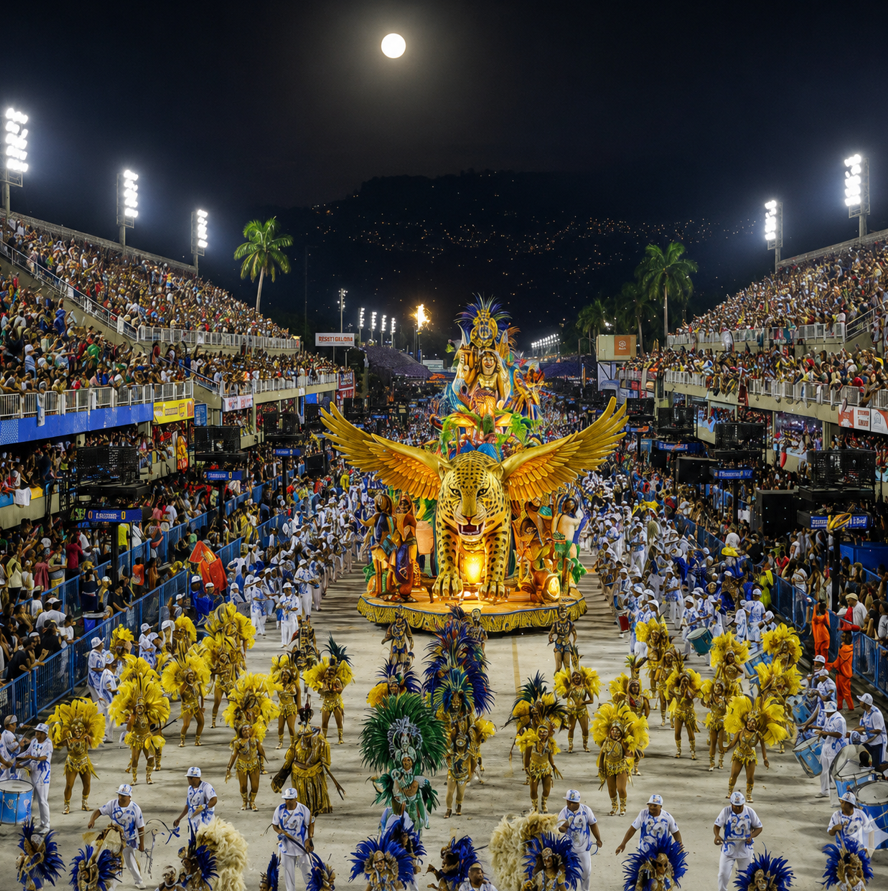
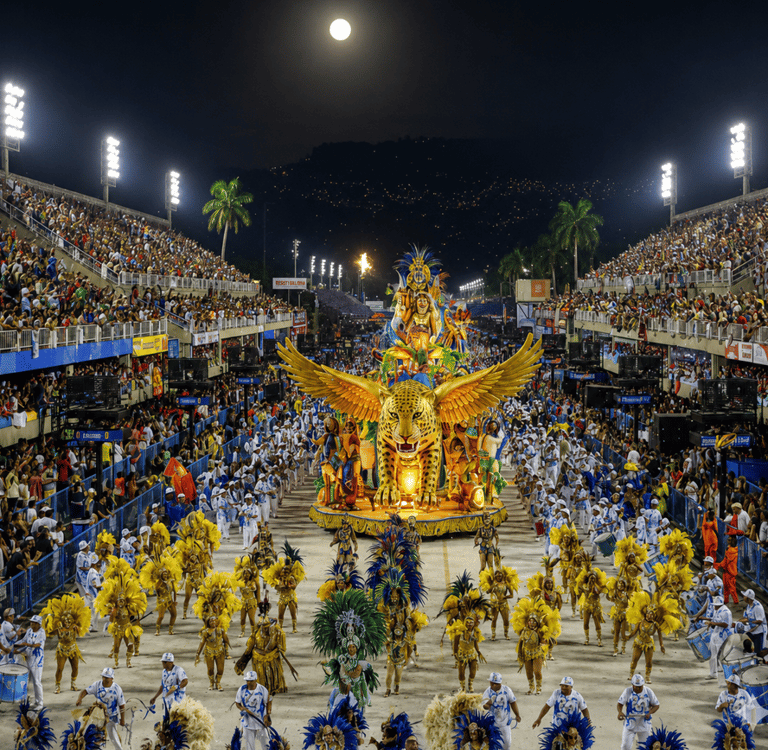
Rio Carnival is a celebration of identity, not just a party. The samba schools represent real neighbourhood communities: each year, a theme, known as an enredo, is chosen to tell social, political or cultural stories from Brazil.
The costumes are incredibly elaborate, handmade with feathers, rhinestones and spectacular scenic materials. The floats are true moving stages, often as tall as multi-storey buildings.
Alongside the official parades, the blocos de rua turn the entire city into one endless party, where locals and travellers dance together without barriers.
It is a truly all-encompassing experience, where there is no separation between spectator and performer.
Venice Carnival: Anonymity, Elegance and Theatre
Where: Venice
Dates: 31 January – 17 February 2026
Cost: free | historic balls €250–€2,000
Venice Carnival was born as a tool of social freedom: behind a mask, nobles and commoners could mingle without distinction. Even today, this sense of anonymity continues to fascinate those who experience it.
Traditional masks such as the Bauta, Colombina and Moretta are not simple accessories, but symbols of a refined and highly codified culture. Events are often performative, combining Baroque music, theatre, dance and artistic improvisation in an almost cinematic setting.
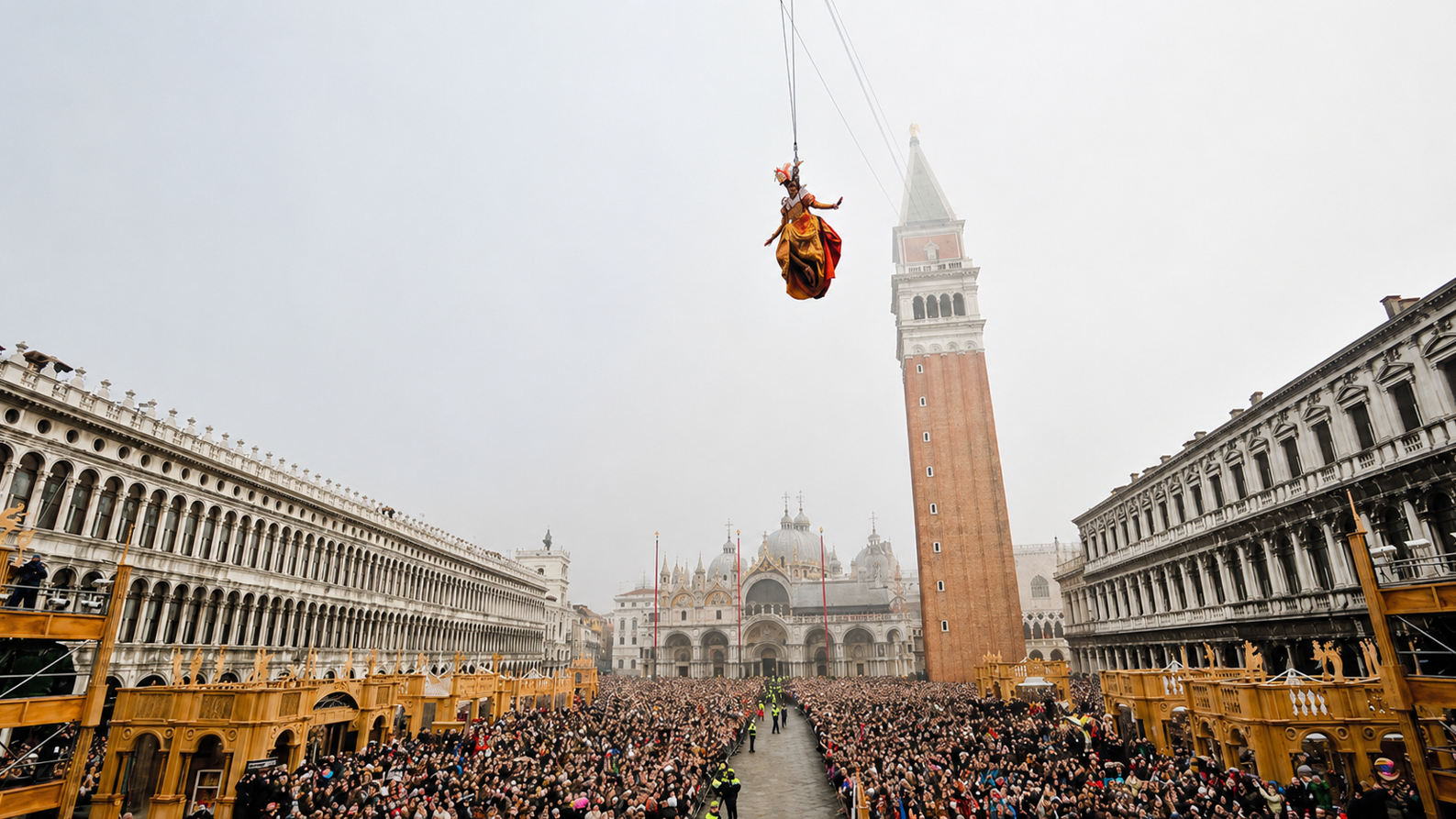
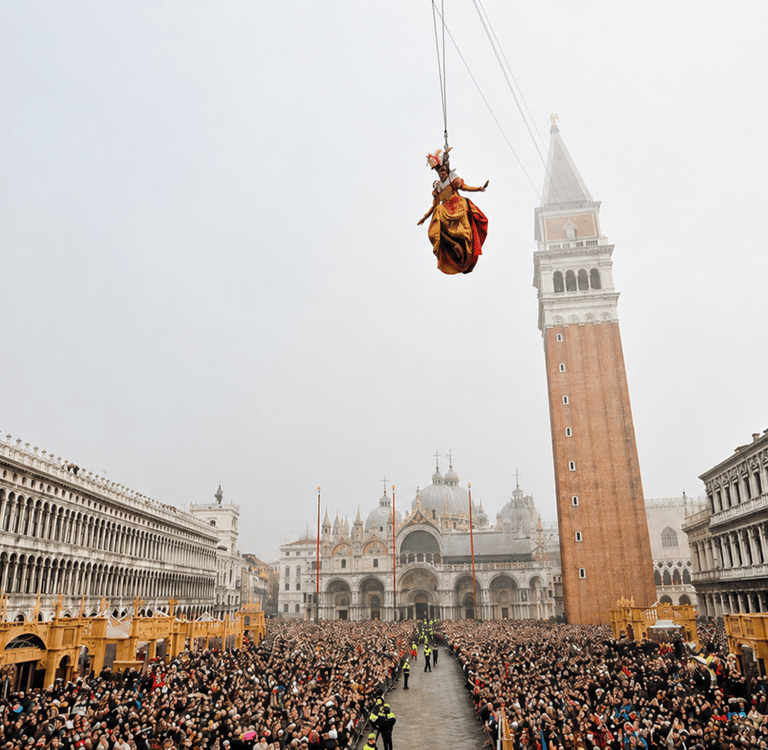
The most eagerly awaited spectacle is certainly the Flight of the Angel, the traditional ceremonial event that officially marks the beginning of the celebrations in the heart of St Mark’s Square.
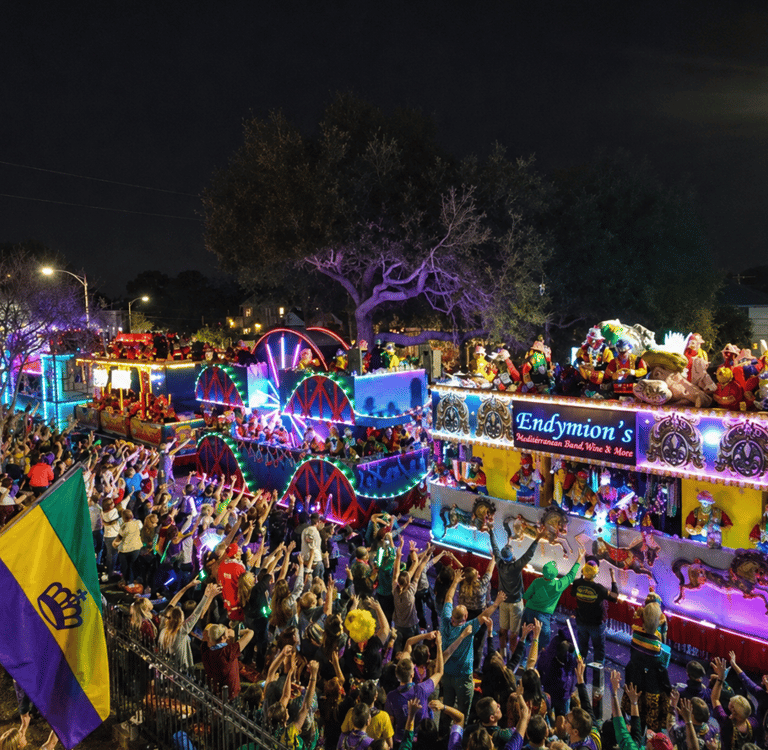
New Orleans Mardi Gras: Jazz, Symbols and Community
Where: New Orleans
Dates: 6–17 February 2026
Cost: free
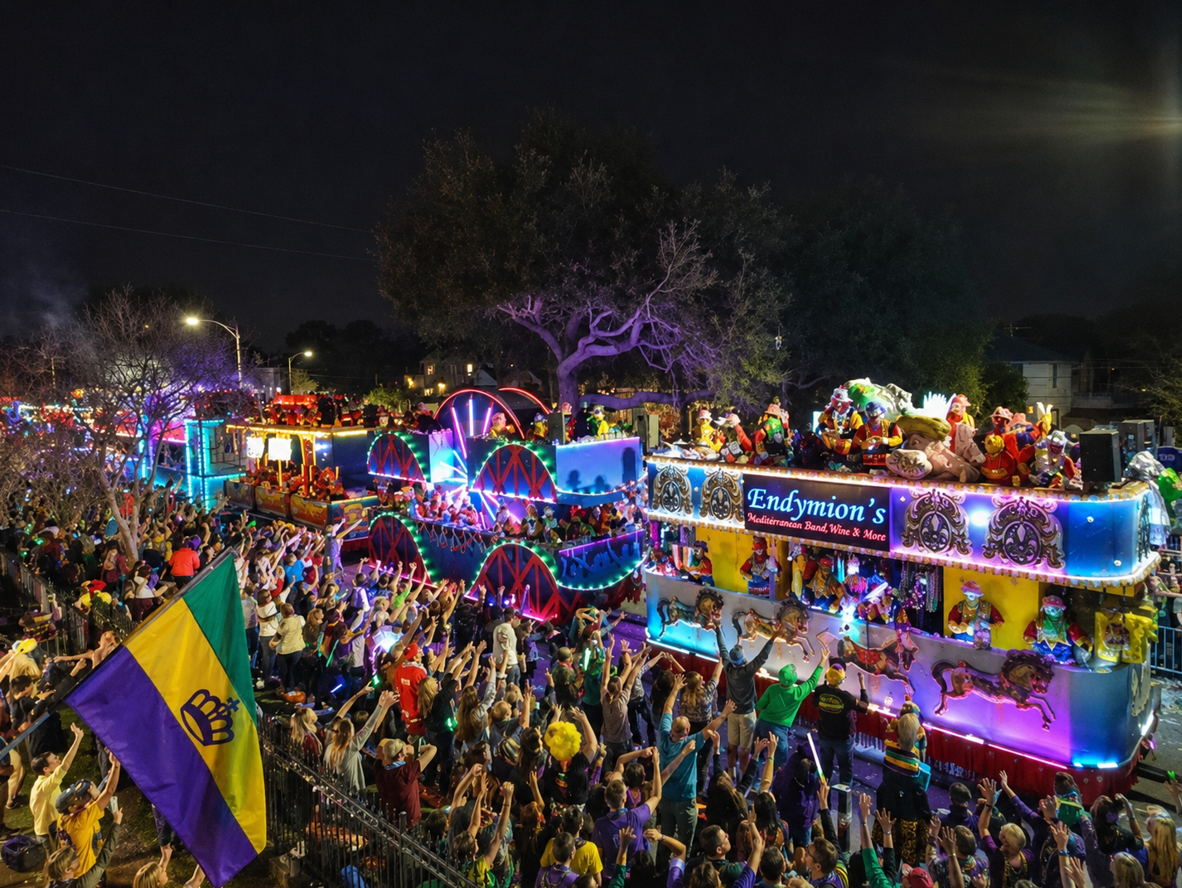
Mardi Gras is deeply rooted in Creole and African-American culture. The Krewes, Carnival associations, organise parades with handmade floats, often satirical in tone, throwing colourful beads, coins and small symbolic objects as crowds shout: “Throw me something, Mister!”
Music is everywhere: jazz, blues and brass bands accompany every moment of the celebration. The festivities blend the sacred and the profane, irony and tradition.
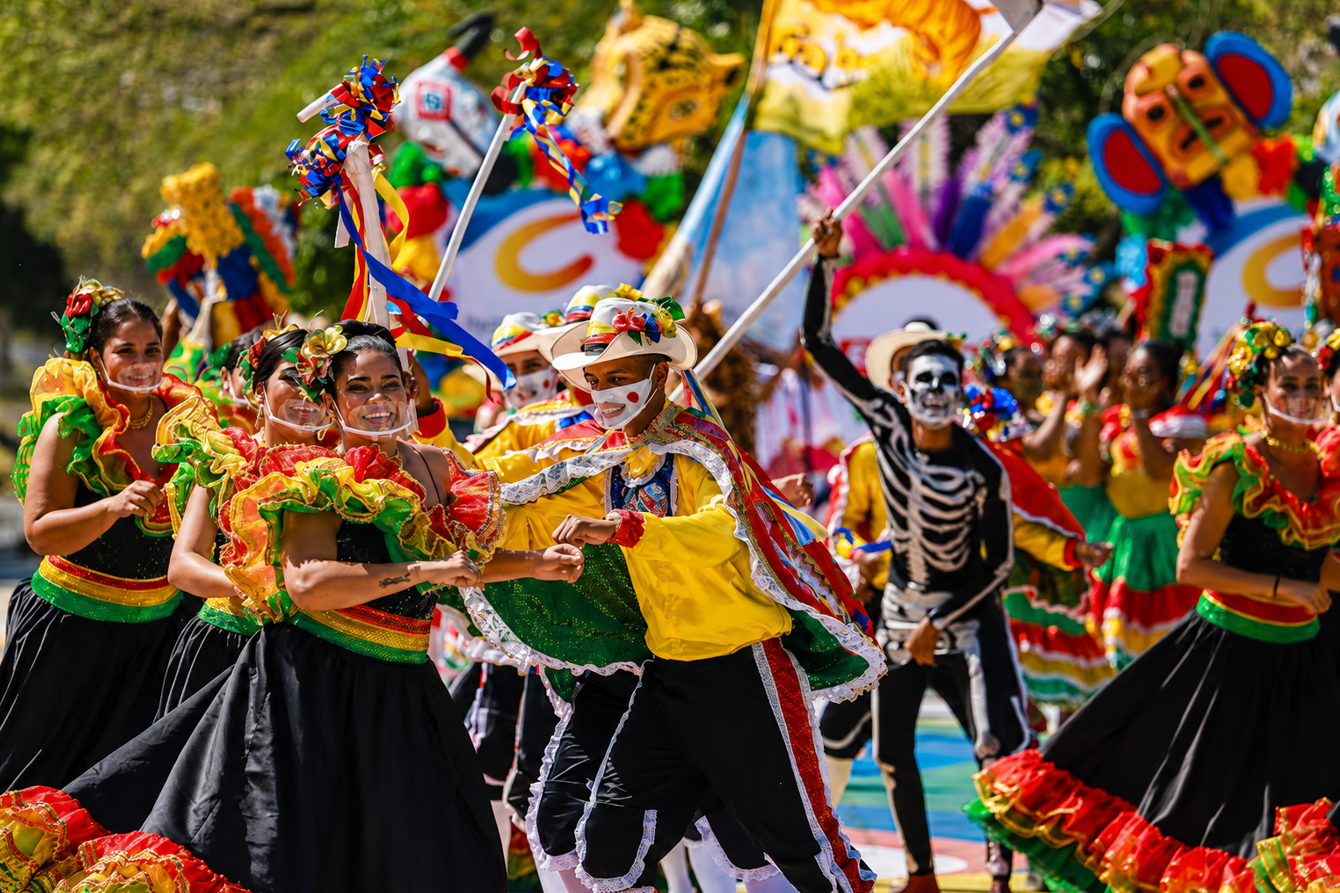
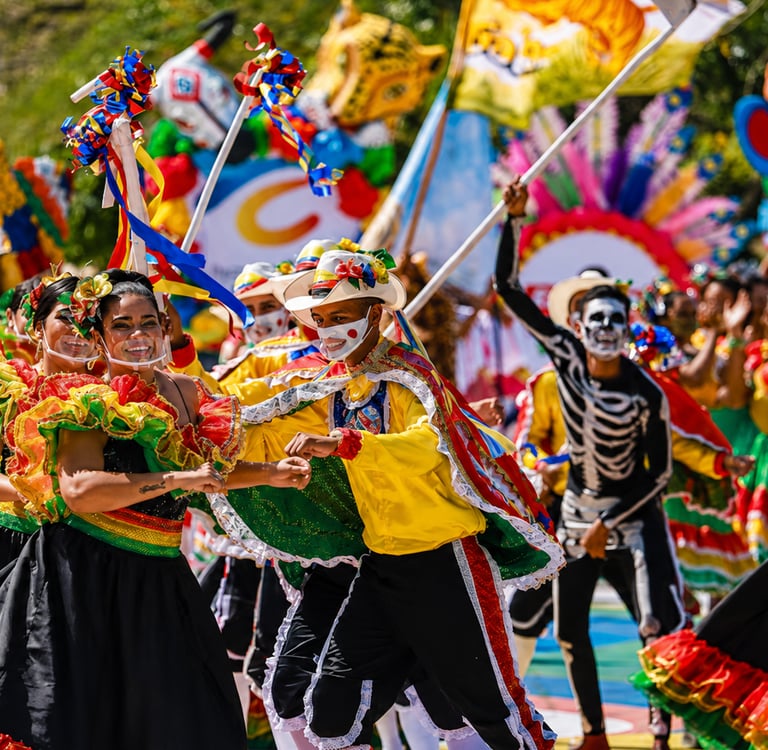
Barranquilla Carnival: the Multicultural Soul of Colombia
Where: Barranquilla
Dates: 14–17 February 2026
Cost: €5–€20
This Carnival is a true cultural manifesto: every dance and costume tells the story of the encounter between Indigenous, African and European traditions. Symbolic figures such as the Marimonda embody humour and social criticism.
The main parades, such as the Battle of Flowers, are choreographic spectacles of enormous anthropological value.
It is an authentic experience, recognised by UNESCO as part of humanity’s heritage for its cultural significance.
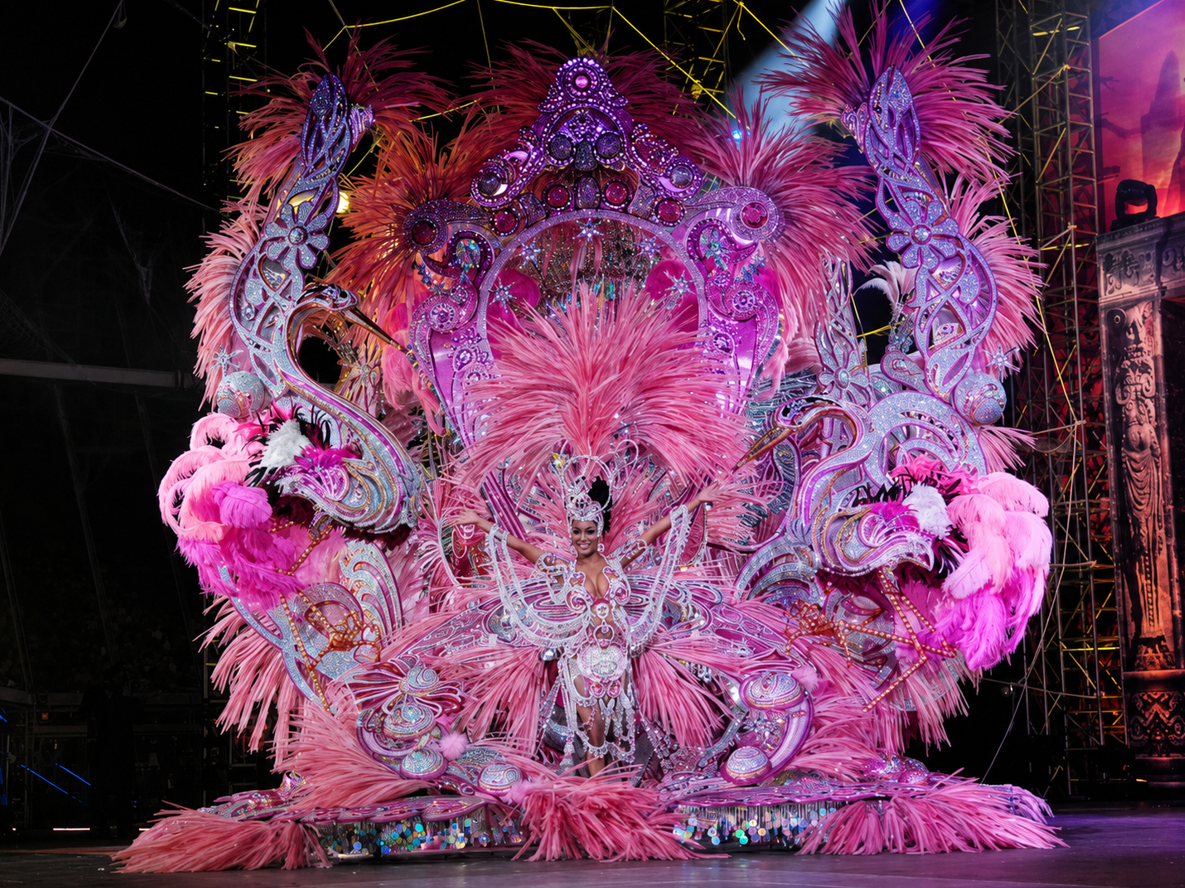
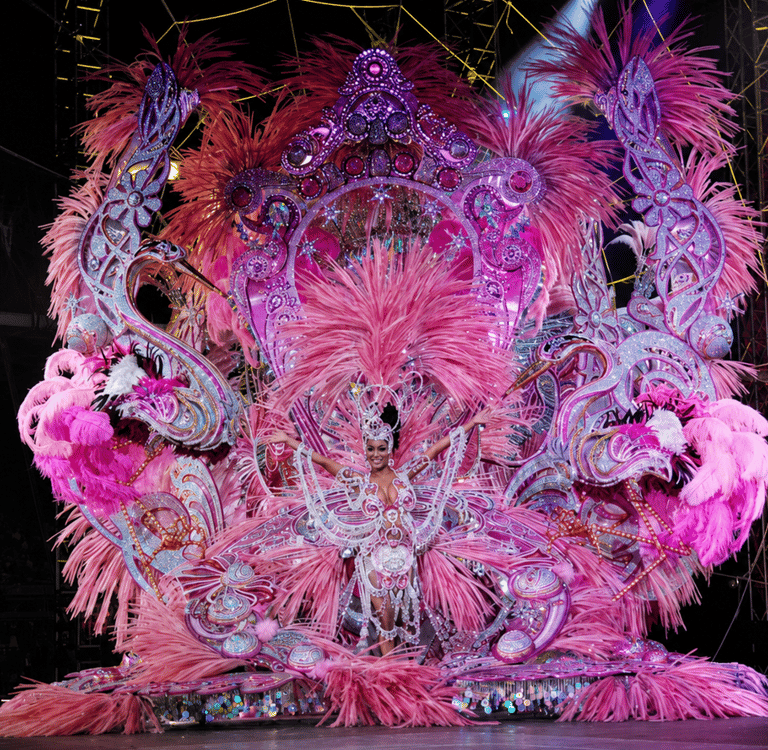
Santa Cruz de Tenerife Carnival: Spectacle and Competition
Where: Canary Islands
Dates: 30 January – 17 February 2026
Cost: free | reserved seats €10–€30
Considered the “sister” Carnival to Rio, this is the largest Carnival in Europe and comes with an incredible spring-like climate.
The celebration is crowned by the election of the Carnival Queen, who parades in monumental costumes, often weighing more than 100 kg. Each costume is an artistic creation, sponsored and designed over several months.
Another unmissable event is the Entierro de la Sardina, the Burial of the Sardine, a grotesque and hugely entertaining ritual that closes the festivities with a parade of weeping “widows”.
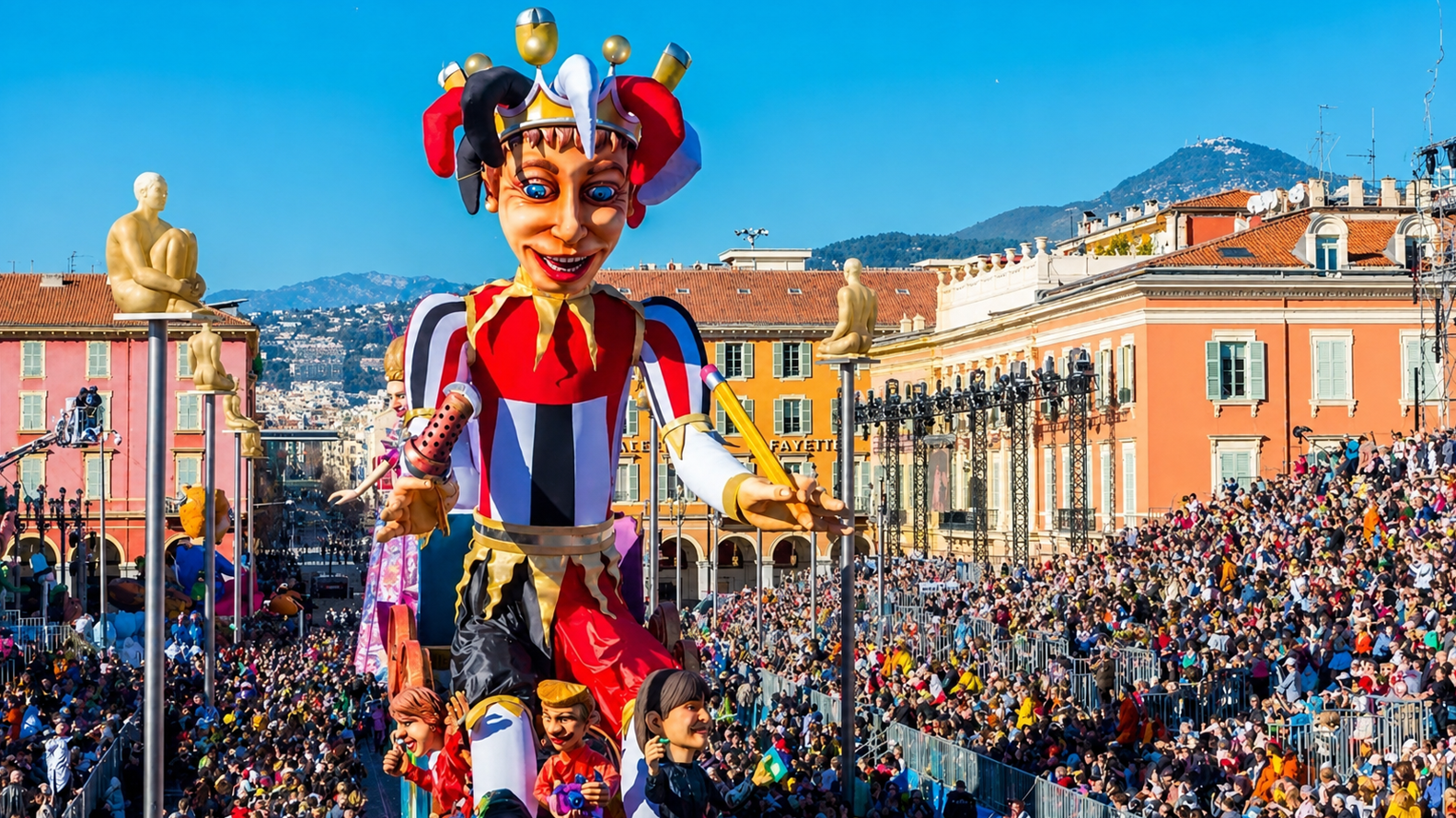
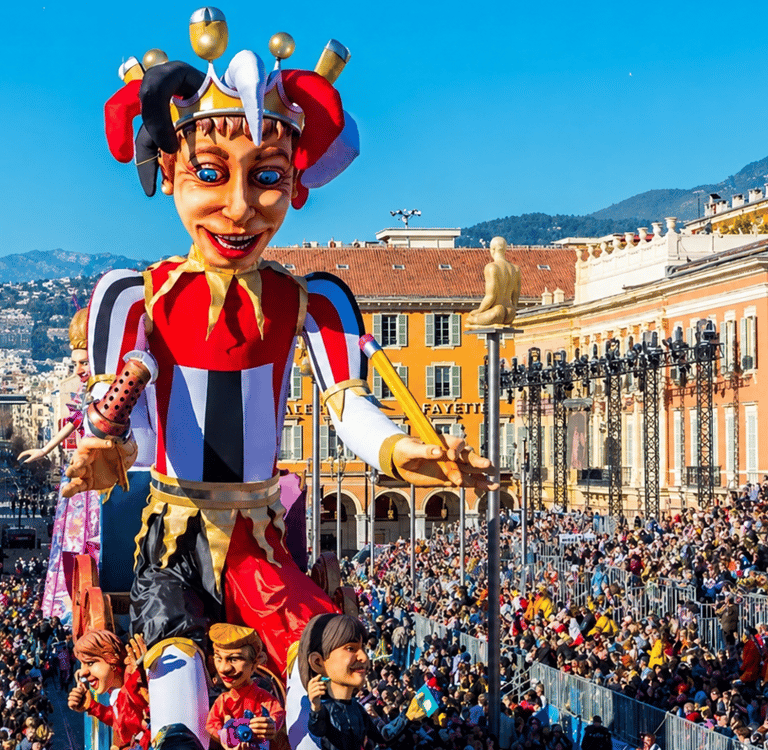
Nice Carnival: Flowers, Art and Poetry
Where: Nice
Dates: 7–22 February 2026
Cost: €7–€28
The Battle of Flowers is the symbolic event of the Carnival: floats decorated with thousands of fresh flowers parade along the Promenade des Anglais, throwing petals to the crowd. This custom, born in 1876, was originally created to entertain the first “luxury” tourists — the European aristocracy — as an alternative to traditional confetti battles.
The gigantic Carnival King opens the festivities by symbolically taking the keys to the city. On the final evening, however, tradition dictates that His Majesty is burned in a great bonfire by the sea, or in Place Masséna, to purify the past year and drive away evil.
Cologne Carnival: Satire and Popular Spirit
Where: Cologne
Dates: 12–17 February 2026
Cost: free
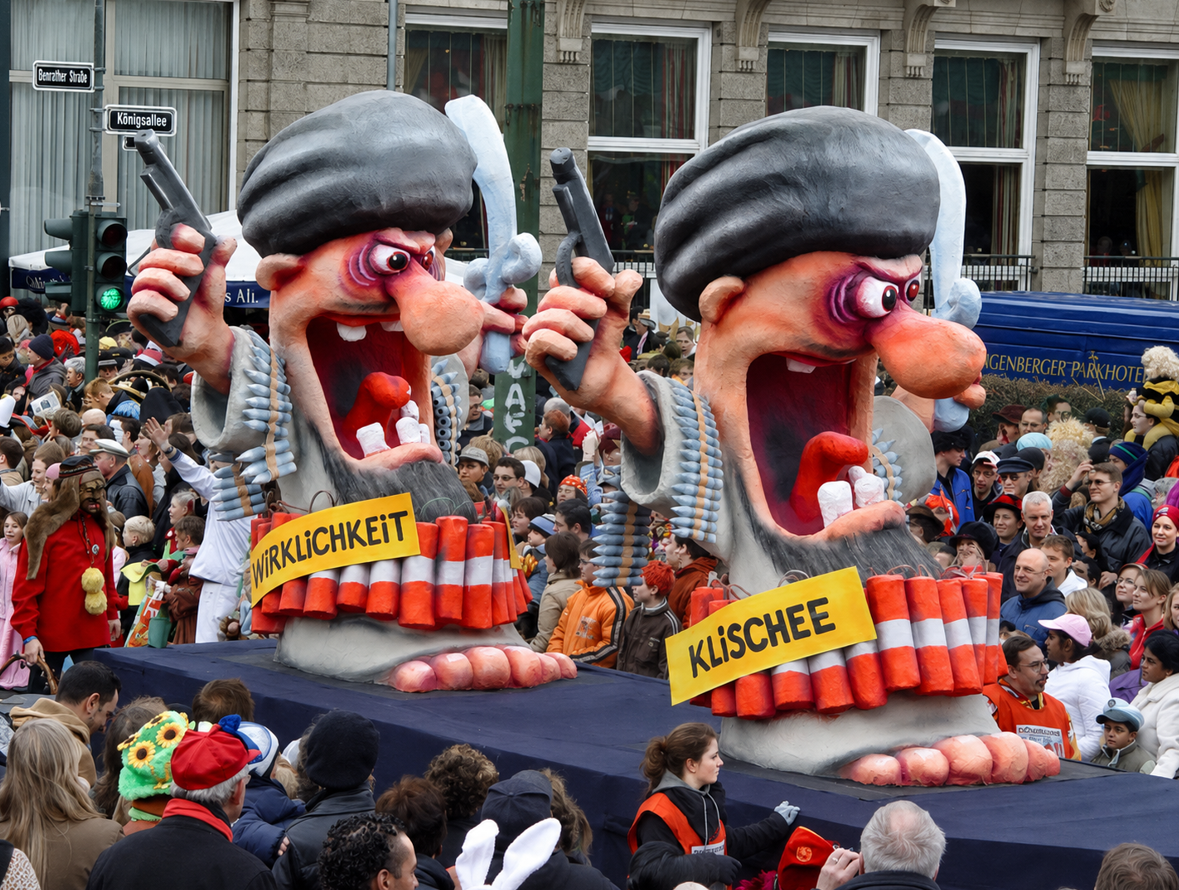
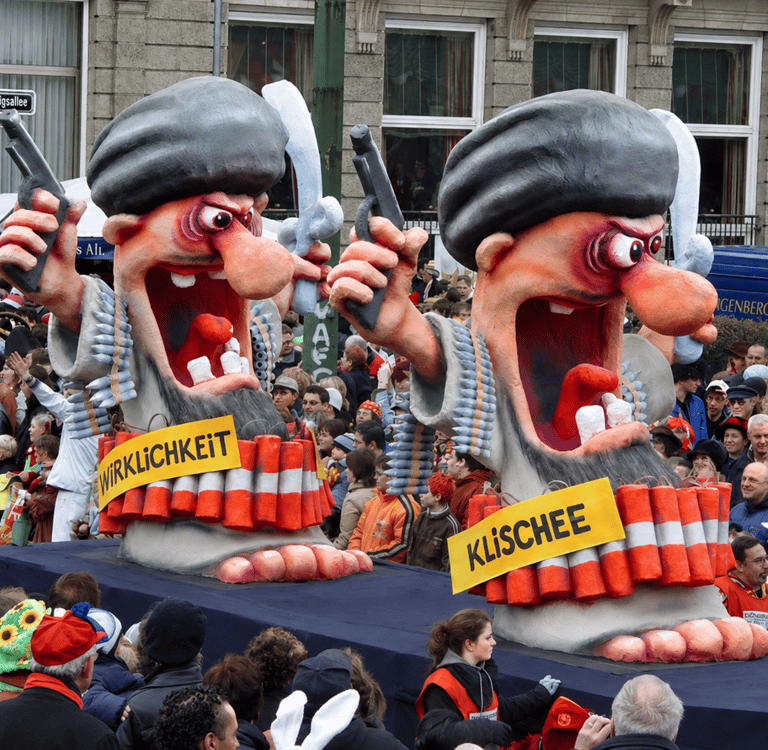
Cologne Carnival is the “fifth season” of the year, an explosive mix of revelry and biting satire. While the Triumvirate — the Prince, the Peasant and the Virgin — symbolically rules the city, the Rosenmontag parade becomes a stage for absolute freedom. The floats are famous for their political irreverence, mocking the powerful figures of the world without filters.
The event acts as a true social release valve: hierarchies disappear amid rivers of Kölsch beer and the ritual of the Bützje, the traditional little kiss. From the historic mockery of the Prussian military to the purifying burning of the Nubbel, every gesture celebrates Narrenfreiheit, the freedom of the fool, transforming the festival into an act of joyful collective resistance.
Oruro Carnival: Spirituality and Ritual
Where: Oruro, Bolivia
Dates: 14–17 February 2026
Cost: €5–€25
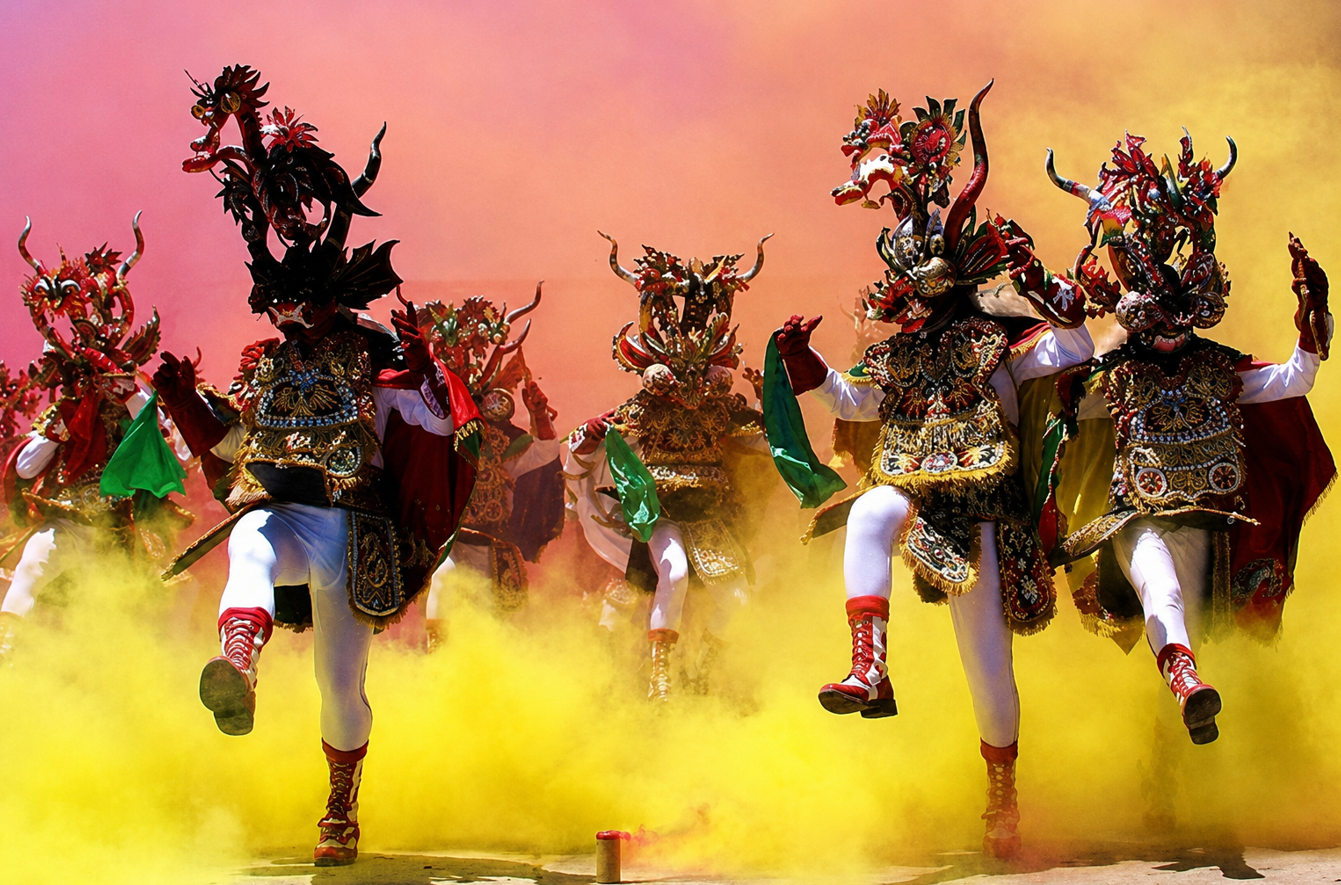
Considered a UNESCO “Masterpiece of the Oral and Intangible Heritage of Humanity”, Oruro Carnival blends Andean mysticism and Catholicism. Located at an altitude of 3,700 metres, it celebrates the syncretism between the Virgin of Socavón, patron saint of miners, and the ancient deities of the earth.
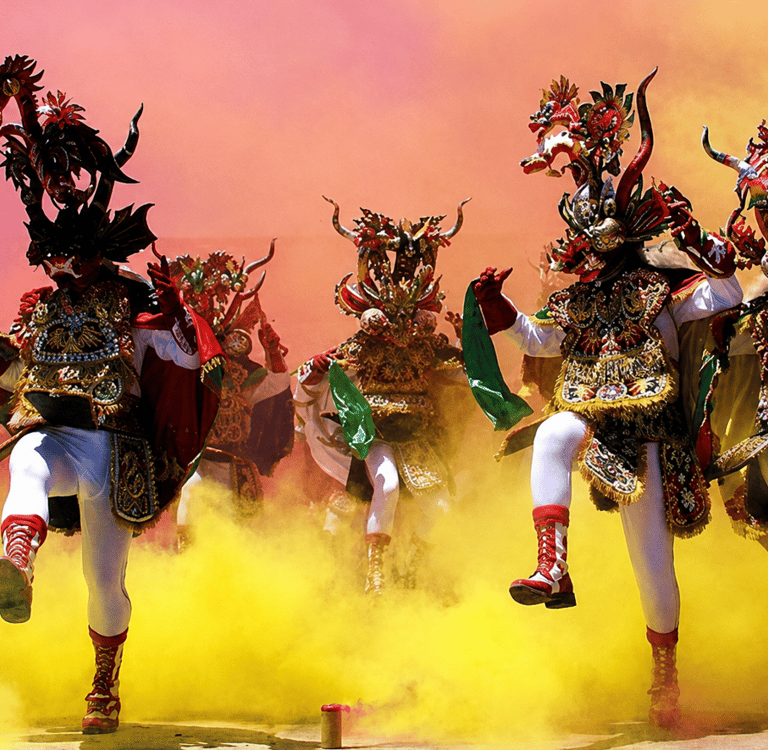
Its most distinctive feature is the Diablada, the “Dance of the Devils”: thousands of performers in monstrous masks and extremely heavy costumes dance for more than 20 consecutive hours to honour El Tío, the demon guardian of the underworld, and to celebrate the victory of Archangel Michael over evil.
Every step tells of centuries of cultural resistance and colonisation. The festival ends with the burning of the Bolivian Nubbel and collective water fights, transforming the entire city into a sacred and profane open-air theatre.
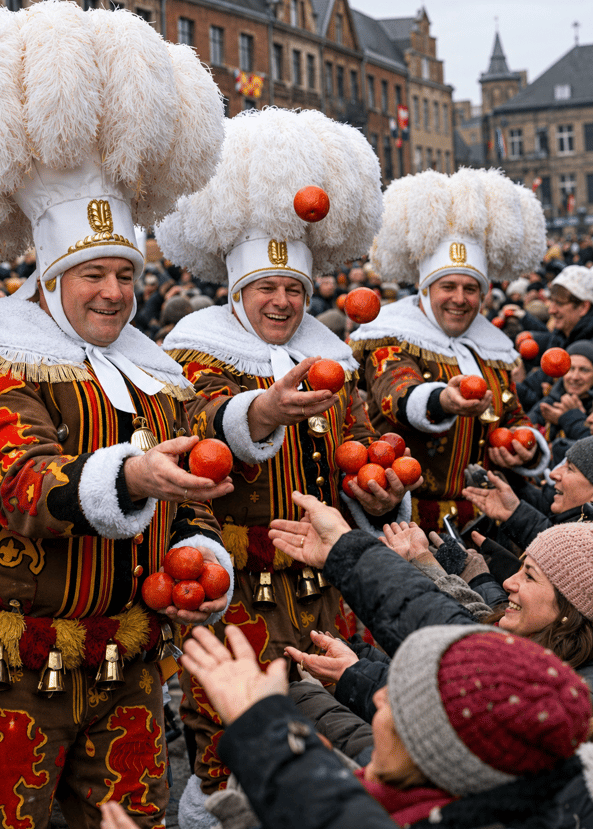
Binche Carnival: UNESCO Heritage
Where: Binche, Belgium
Dates: 15–17 February 2026
Cost: free
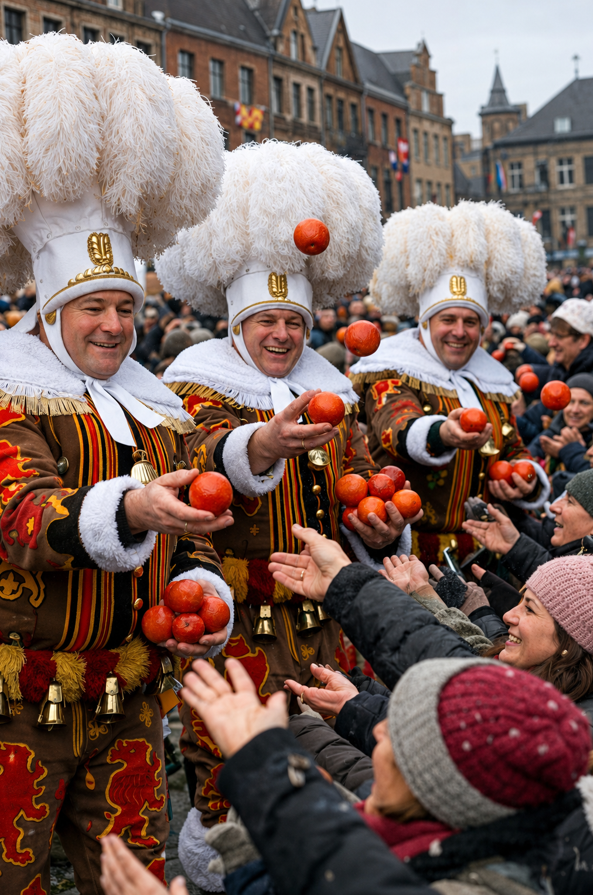
Recognised by UNESCO as a “Masterpiece of the Oral and Intangible Heritage of Humanity”, Binche Carnival is a true ancestral ritual dominated by the mysterious Gilles. These figures wear jute costumes padded with straw, wax masks with glasses, wooden clogs and majestic hats made of ostrich feathers. They appear only on Shrove Tuesday and are not allowed to leave the city, move without the rhythm of the drums or even sit down in public.
The most famous tradition is the throwing of blood oranges by the Gilles: receiving one is considered a gesture of good luck, but be careful not to throw it back — that would be an insult! It is a celebration of identity, where folklore becomes a sacred duty for the town’s inhabitants.
And Now... Off with the Mask!
Carnival around the world is a once-in-a-lifetime opportunity to travel through cultures, histories and identities.
Save this guide, share it and start imagining the next Carnival you will experience — and tell the story of.
Follow us on Instagram, TikTok and Facebook, and subscribe to our newsletter so you never miss travel inspiration, live storytelling, practical tips and plenty of exclusive content!
Let us know what you think
Leave a comment
Social Link
Follow us on our social channels
Instagram, Facebook e TikTok
ContaCTS
Newsletter
© Copyright 2026 - Zaino in Due