

Belluno: amid quiet waters and mountains that tell stories
A themed mini-guide for those seeking authentic wonder in the Belluno Dolomites
VIAGGI | TRAVELS
Rebecca P. & Raffaele F.
10/27/20259 min read
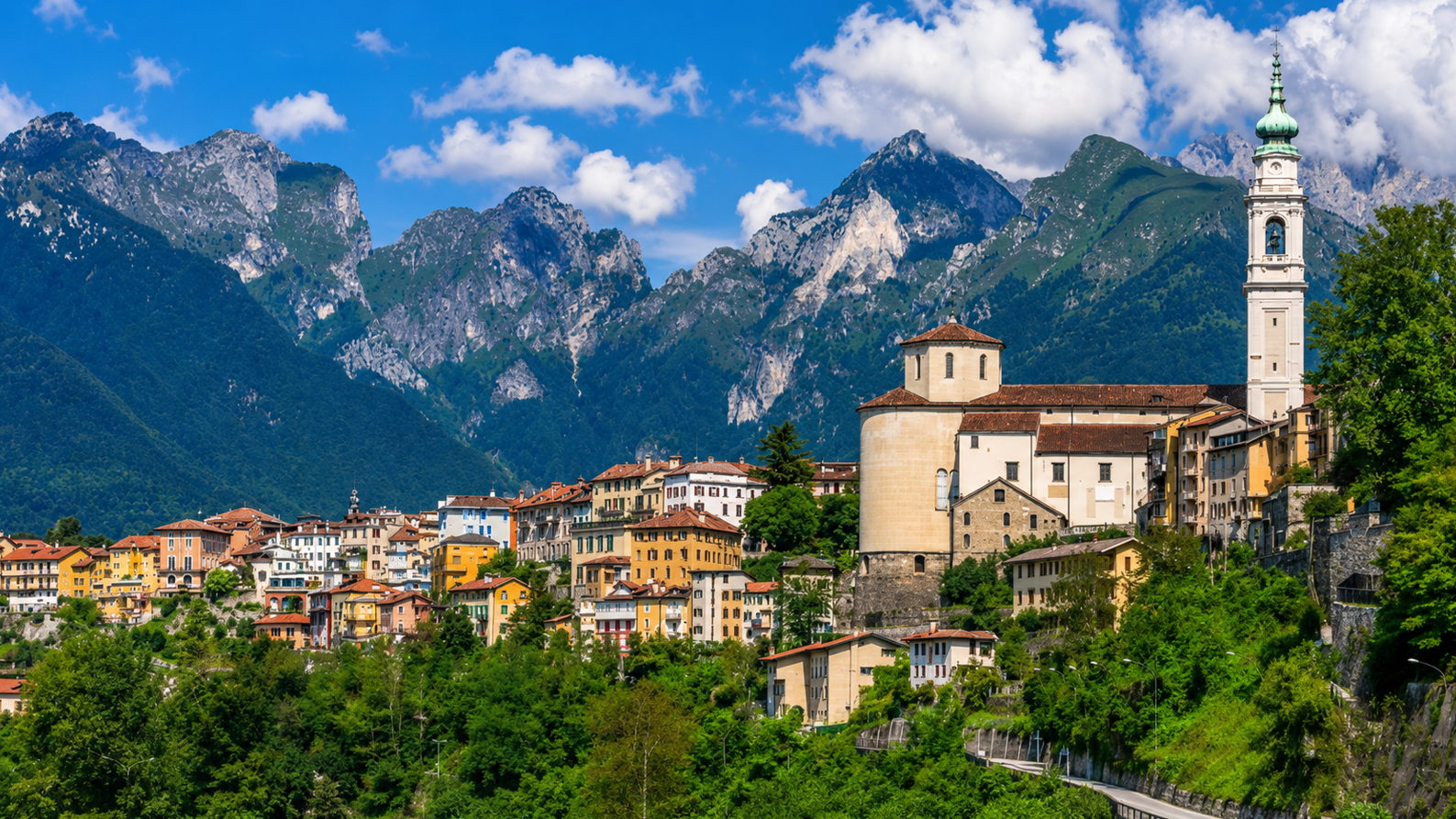
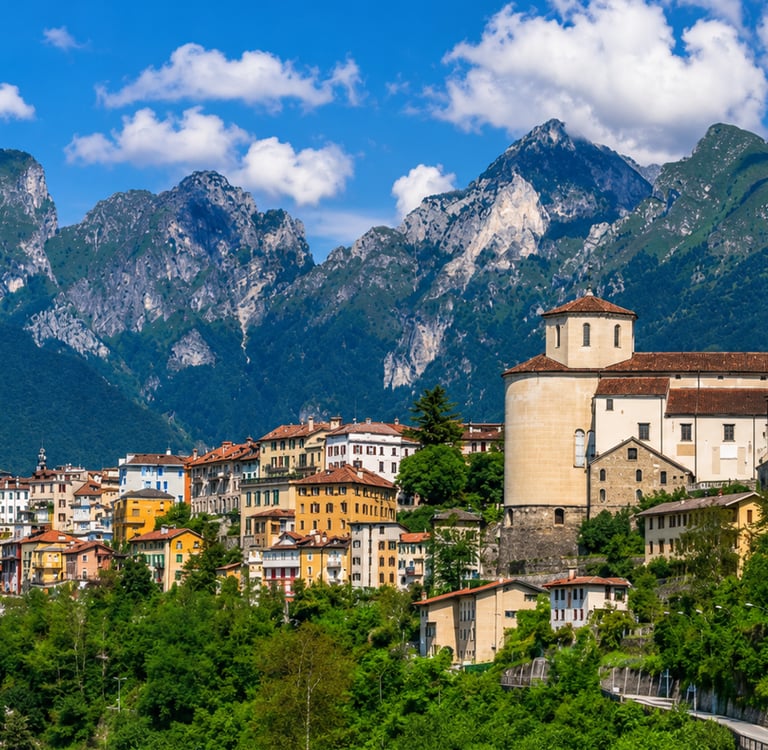
There is a side of Veneto that not everyone knows.
A Veneto that has nothing to do with the calli of Venice or the villas scattered across the plains.
It is the Veneto that breathes among larch woods, canyons carved by time, and turquoise waters that look as though they have come straight out of a Nordic dream.
This is Belluno, the “gateway to the Dolomites”: a place where nature teaches the art of silence, and wonder is measured in steps, not kilometres.
This is not an exhaustive guide — but an invitation to be surprised.
A taste of the places we explored, which, when brought together, reveal the soul of a province that is often underestimated, yet deeply authentic.
Belluno, where water carves beauty
Bus del Buson – the secret canyon of the Dolomites
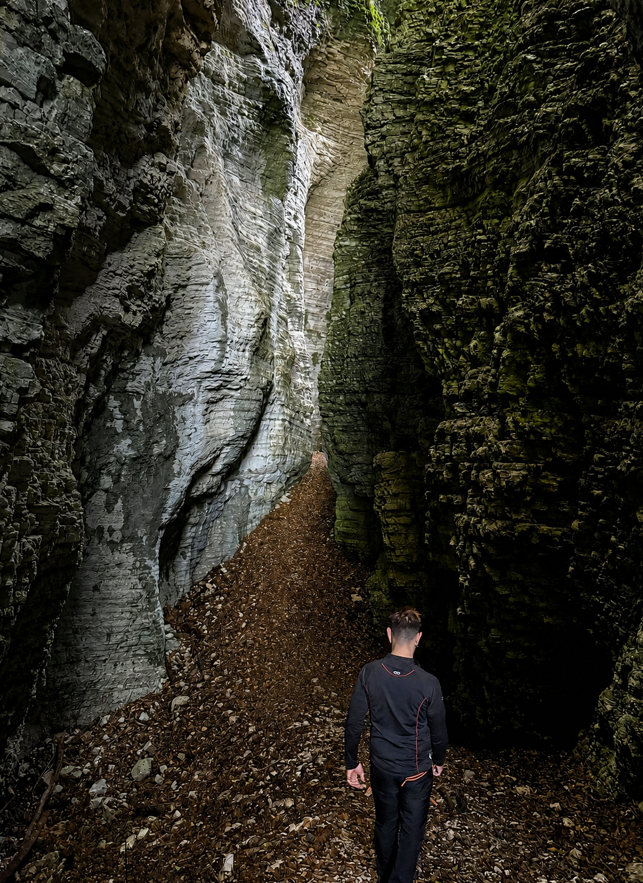
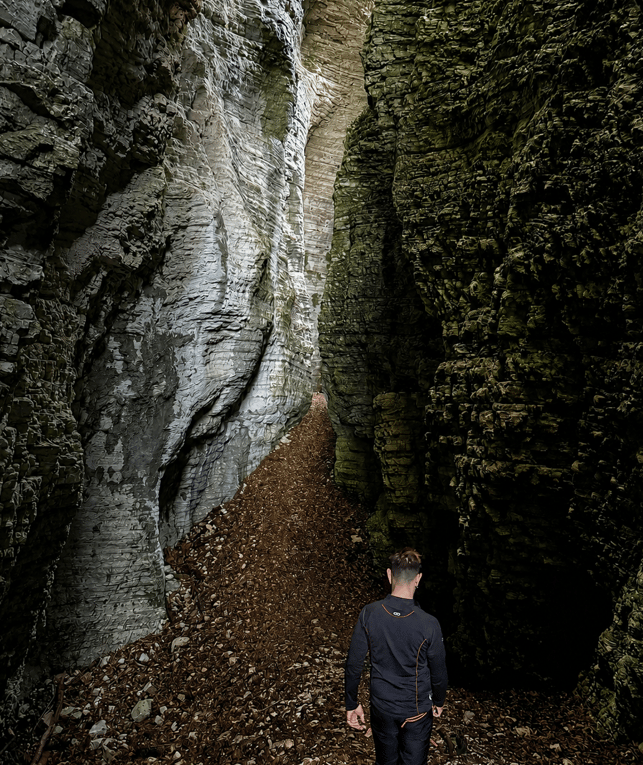
Just a few minutes from the centre of Belluno, Bus del Buson is a natural fissure that feels as though it has stepped out of a fantasy tale.
A deep gorge carved by the Ardo stream over thousands of years, now dry yet alive with light and shadow.
Walking inside it feels like entering a primordial world: vertical walls closing in, moss glowing with moisture, the muffled sound of your own footsteps.
It is a place that teaches the value of silence.
Perfect for those who love short yet intense hikes, and for anyone seeking that suspended atmosphere only certain places can offer.
Tip: visit during the middle of the day, when the light filters in more strongly and transforms the rock into a golden palette.
Brent de l’Art – the sculptures of time
There is a place where nature seems to have played at being an artist.
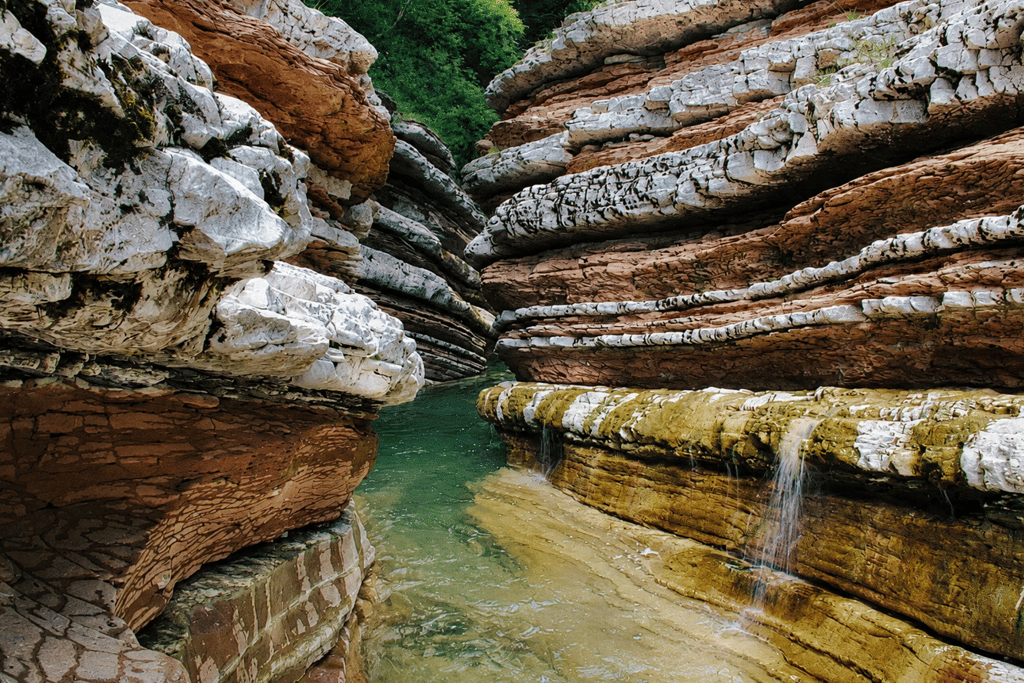
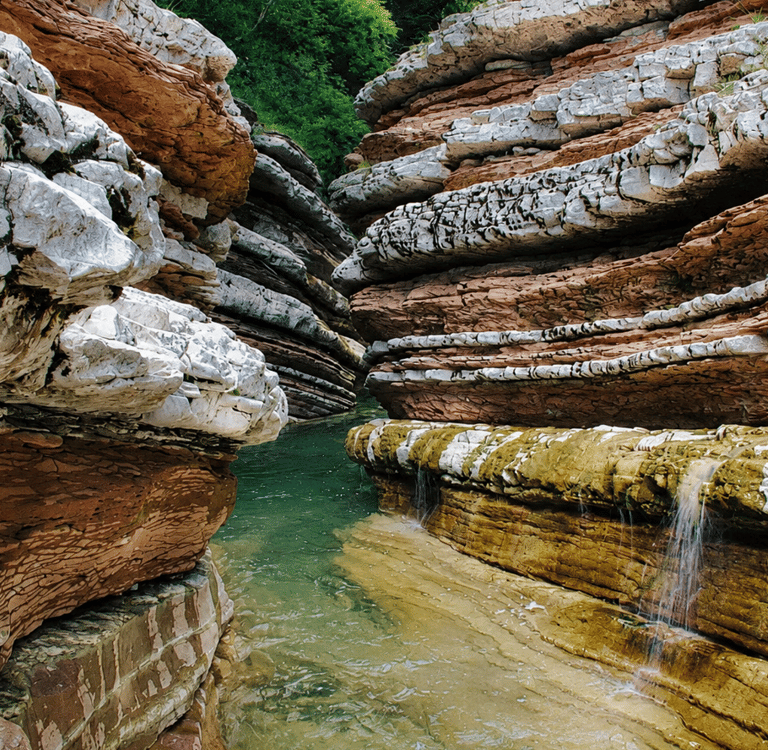
Brent de l’Art, not far from Feltre, is a canyon with red and yellow walls, shaped by centuries of erosion.
Its waves of rock, drawn with a precision that defies the imagination, tell the geological story of the Dolomites better than any book.
It is a small yet incredibly powerful place: you reach it after just a few minutes’ walk, but you will gladly linger, simply to watch the light change colour on the stone.
Cadini del Brenton – where water dances
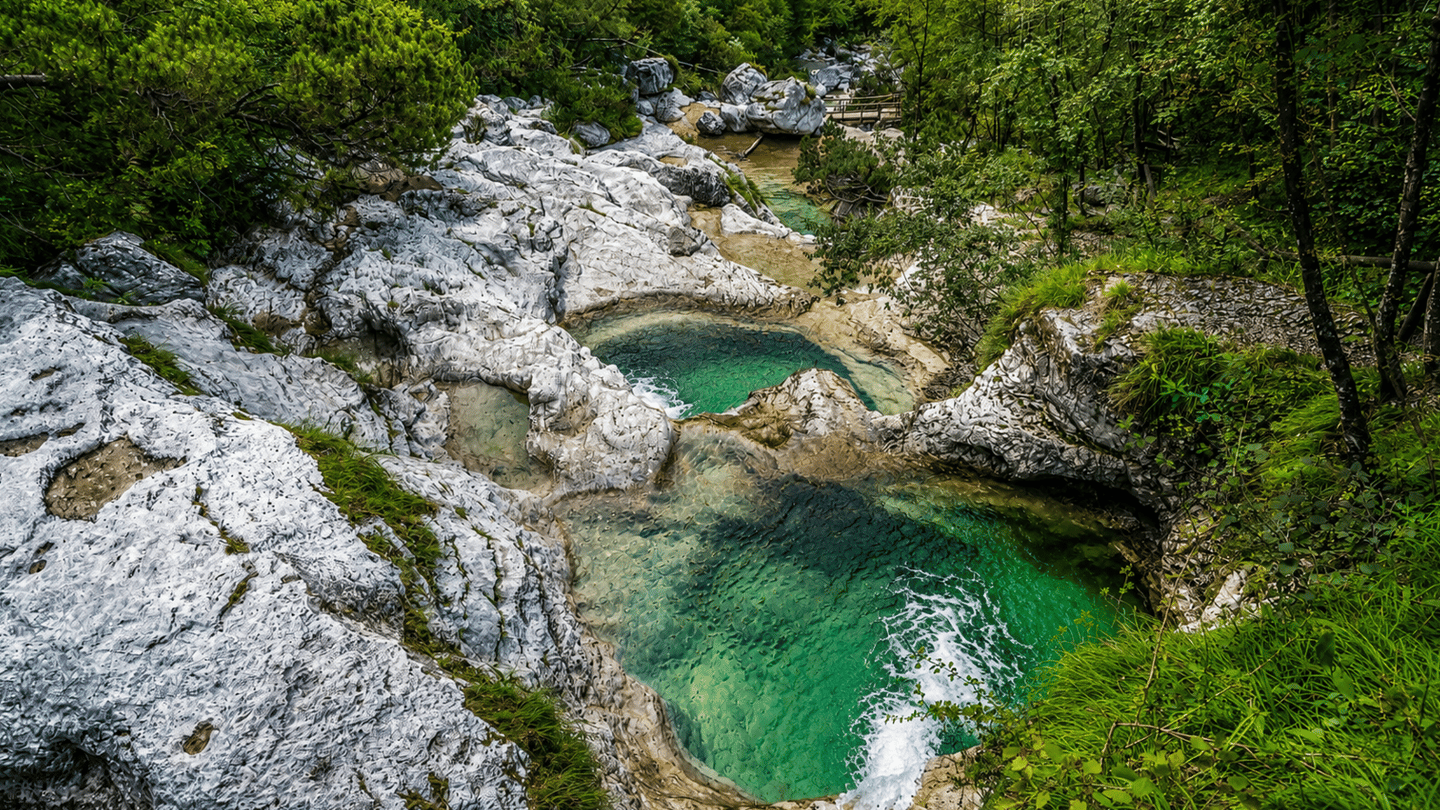
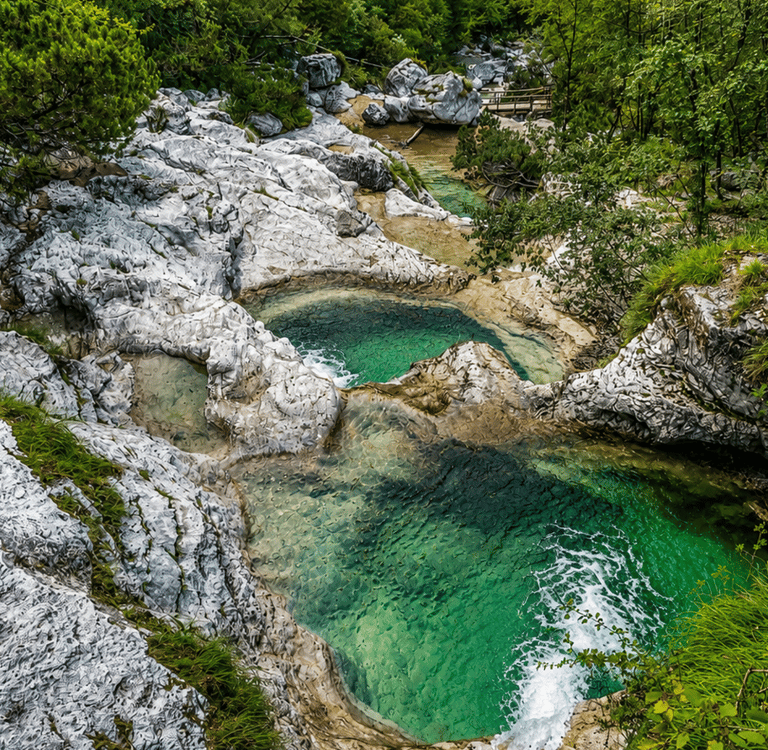
In the heart of the Belluno Dolomites National Park, the Cadini del Brenton are a sequence of natural pools linked by small waterfalls.
The clear, cold water descends in steps between limestone walls, creating colour play that ranges from emerald green to icy blue.
It is one of those places that seem too beautiful to be real — yet they exist, and above all, they endure.
The route is easy, but every step offers a new frame, perfect for those who love nature photography.
Tip: avoid peak times and visit the Cadini early in the morning or late in the afternoon. The low light enhances the contrasts and makes the pools even more photogenic.
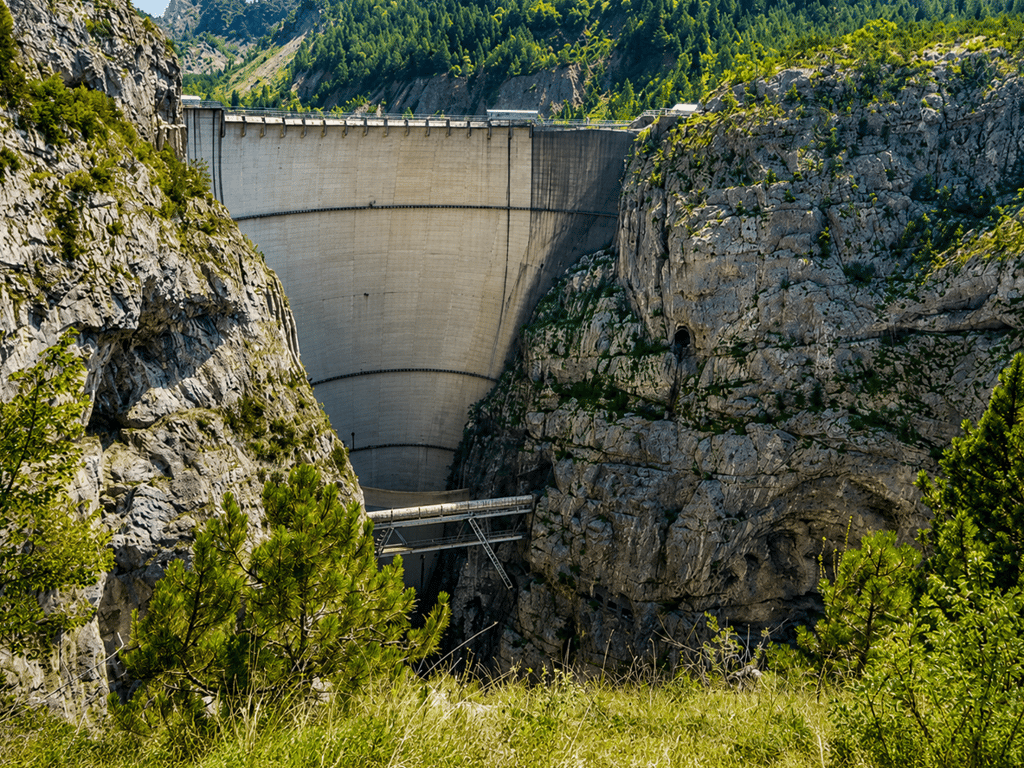
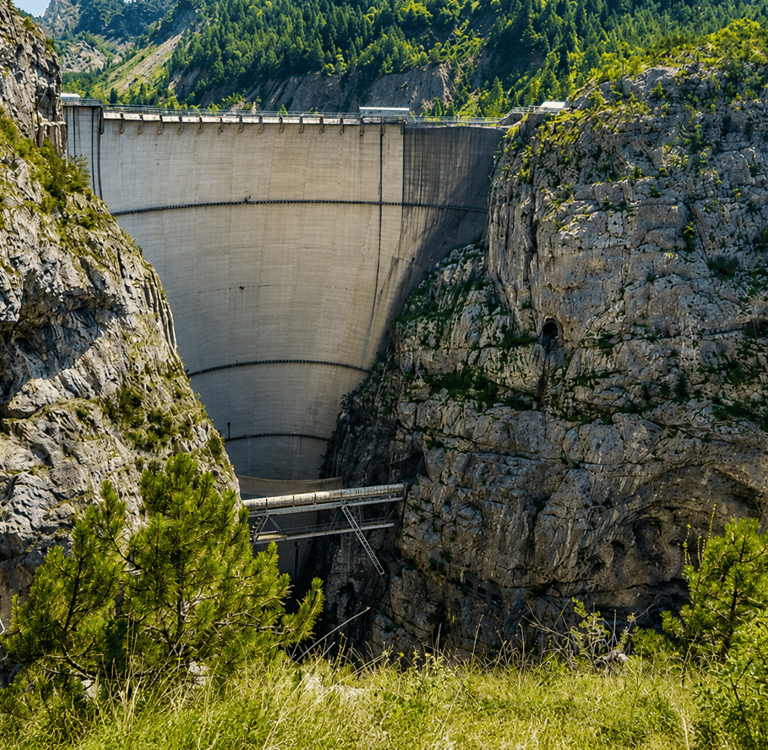
The Vajont Dam – memory that shakes you
You cannot speak of Belluno without touching on one of its most powerful and moving places: the Vajont Dam.
Here, the beauty of the mountains meets the memory of a tragedy that marked the valley forever.
Visiting the dam is not just a tourist experience, but an act of awareness.
Walking along the crest, looking out over the town of Longarone reborn after the disaster of 1963, listening to the testimonies of local guides… everything here invites respect.
There is no rhetoric, only the weight of real things.
And a landscape that, despite everything, still manages to move you.
Between water and stone: wounds and resilience
Lake Mis – calm after the roar
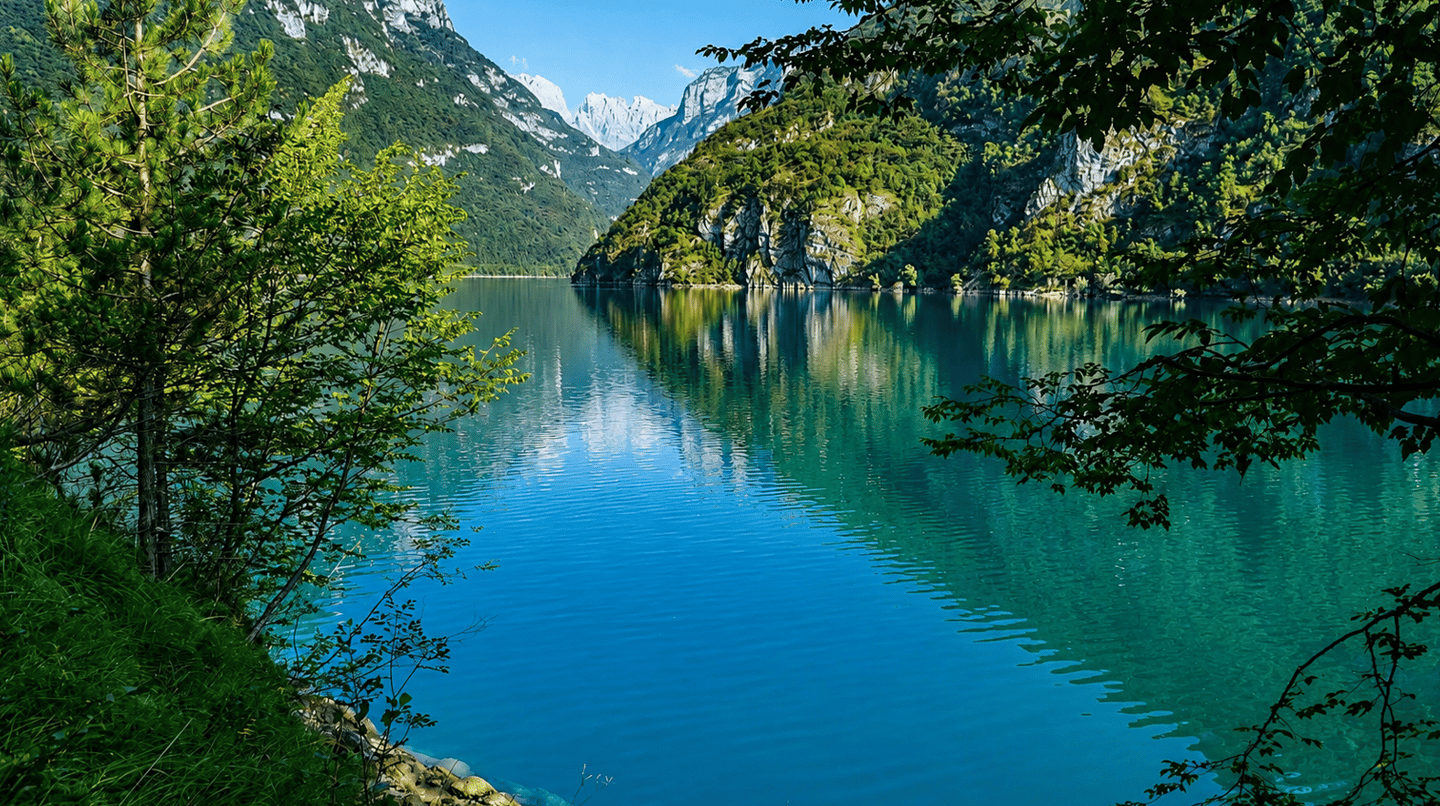
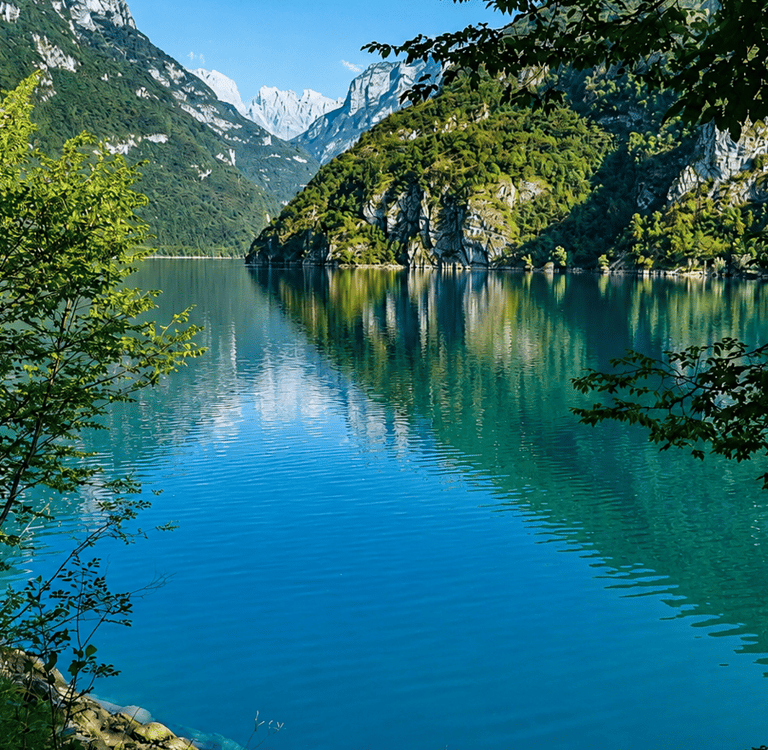
Just a few kilometres from the Cadini, Lake Mis is one of the most peaceful and evocative gems in the Belluno area.
Its emerald waters are set among majestic mountains, creating a landscape that changes face with every season.
In summer, it reflects the deep green of the woods; in autumn, it glows red and gold, while in winter it becomes a silent mirror of steel.
Along its shores, you will find small viewpoints and trails leading to wonderful glimpses, such as the Soffia Waterfall, hidden inside a gorge that opens right beside the lake.
It is a place where time slows down: perfect for a restorative break, a picnic, or an afternoon of pure contemplation.
Tip: reach Lake Mis in the early morning, when the surface is still and the mountains are reflected without a single ripple. It is the most magical moment.
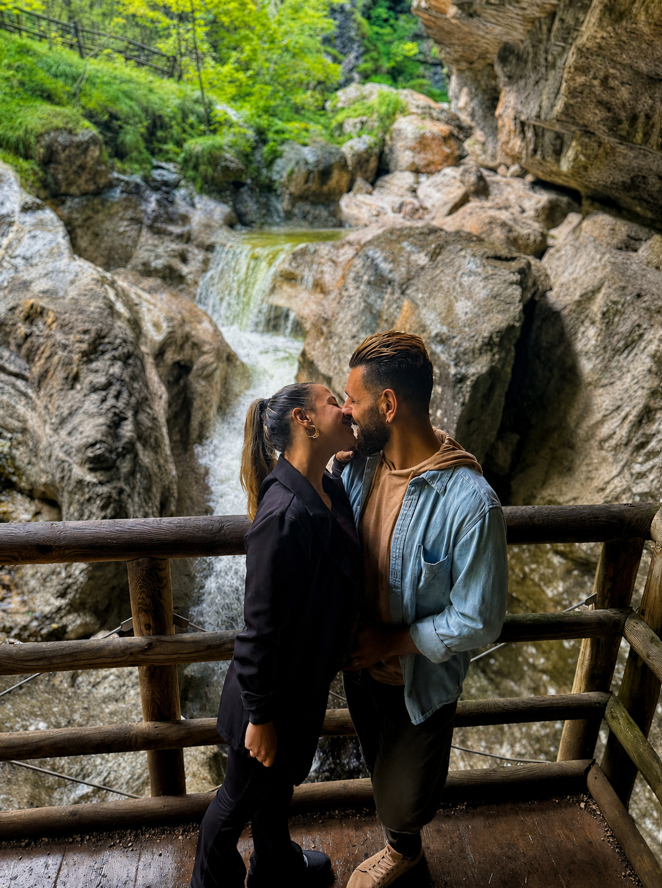
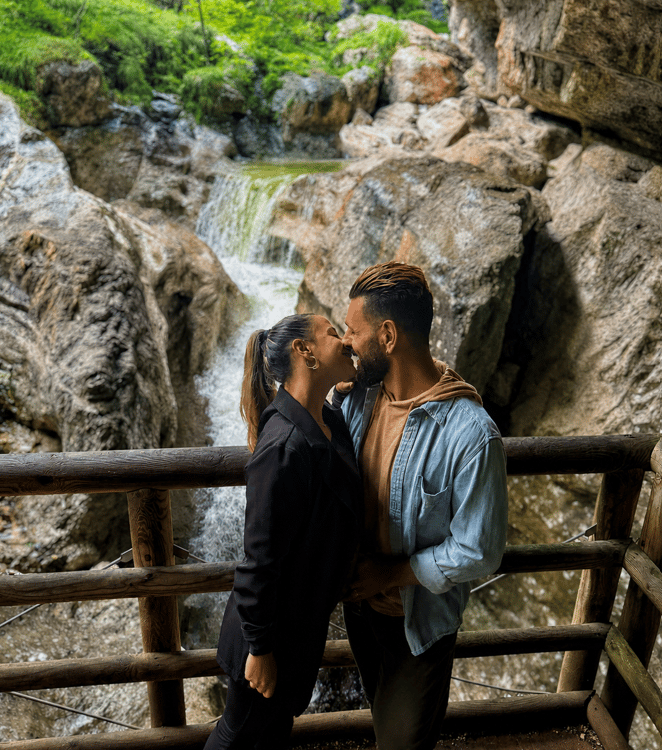
Soffia Waterfall – the power of living water
After Vajont, another protagonist takes the stage: water, falling free and thunderous.
The Soffia Waterfall, near Sospirolo, is a surprise revealed at the end of a short path.
A powerful jet bursts out of a natural cave, as though the mountain itself were breathing.
The sound is hypnotic, the air saturated with freshness.
In summer, it is the perfect refuge from the heat, but in autumn and spring it is just as stirring, especially when the water flow is stronger.
Belluno’s fairytale face
Zumelle Castle – between legends and views
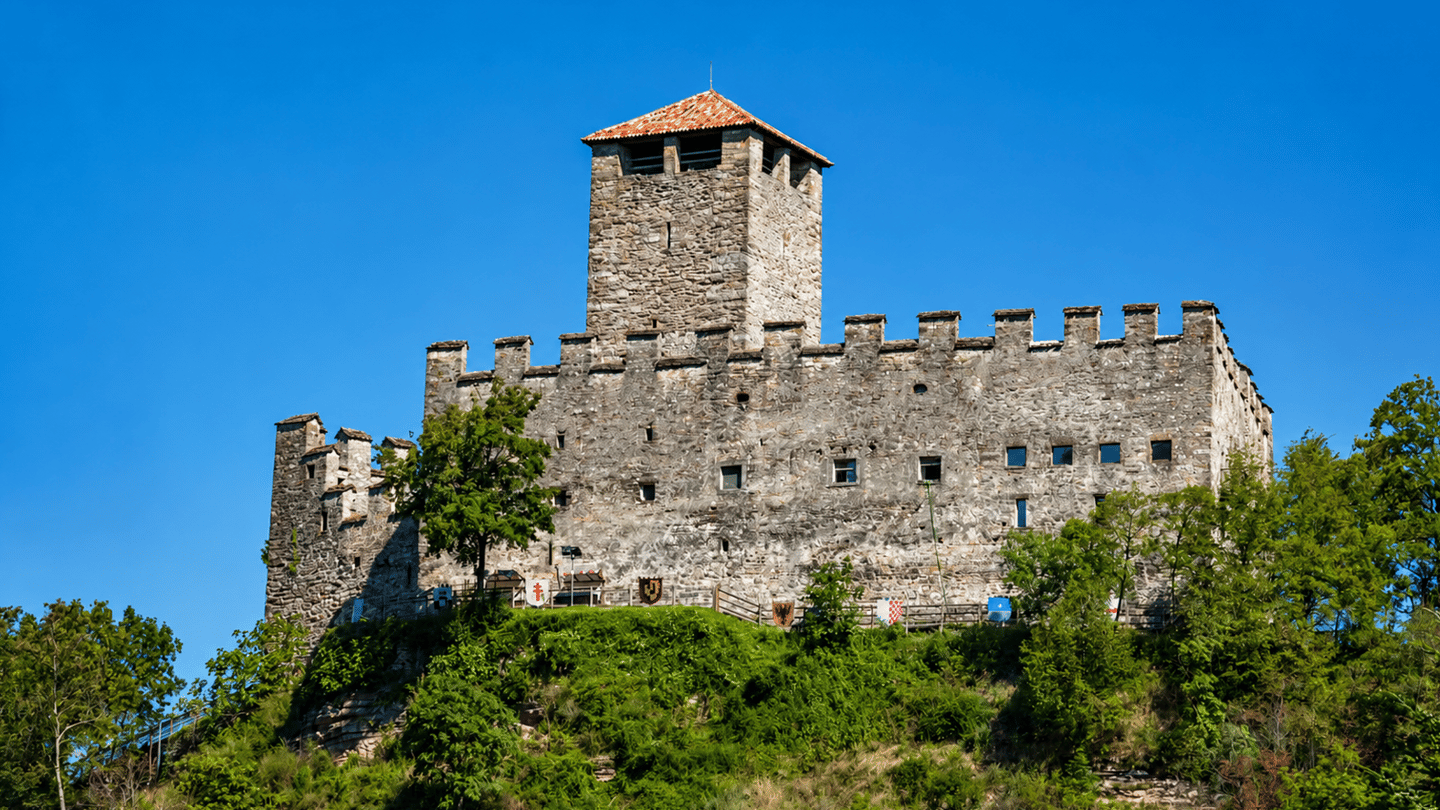
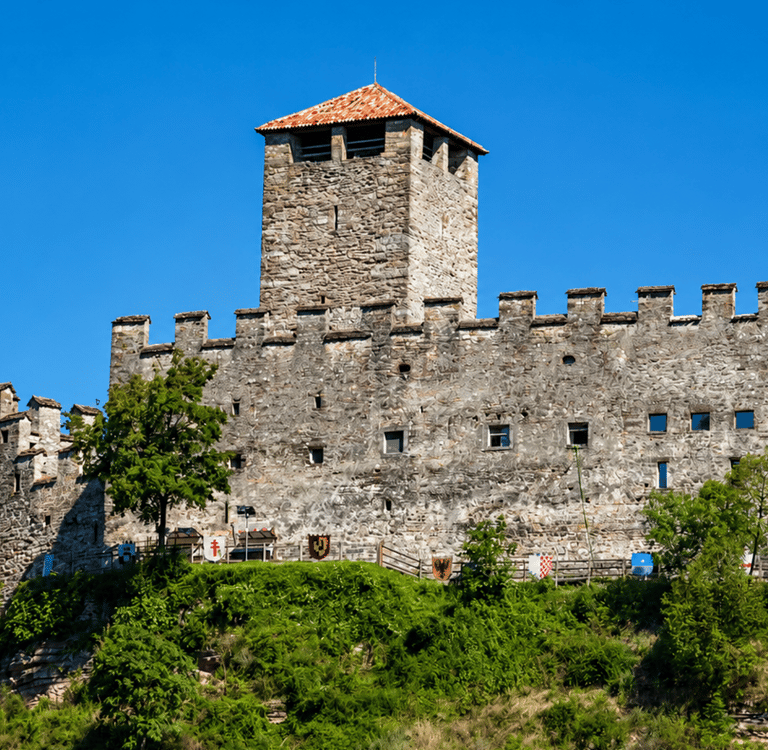
Among the hills of Mel, in the municipality of Borgo Valbelluna, stands Zumelle Castle, one of the most fascinating castles in the whole of Veneto.
With its stone towers and sweeping views over the valley, it feels as though it has come straight out of a medieval tale.
Its history is long and woven with legends: ladies and knights, battles and impossible loves.
Today, the castle can be visited and often hosts historical re-enactments, themed events and medieval markets, making the experience even more atmospheric.
Walking along the walls or climbing up to the main tower offers a breathtaking view over Valbelluna.
But the true charm of Zumelle Castle lies in its atmosphere: a perfect balance of history, nature and imagination.
Photography tip: visit the castle at sunset — the warm light brings out the stonework and gives you fairytale shots.
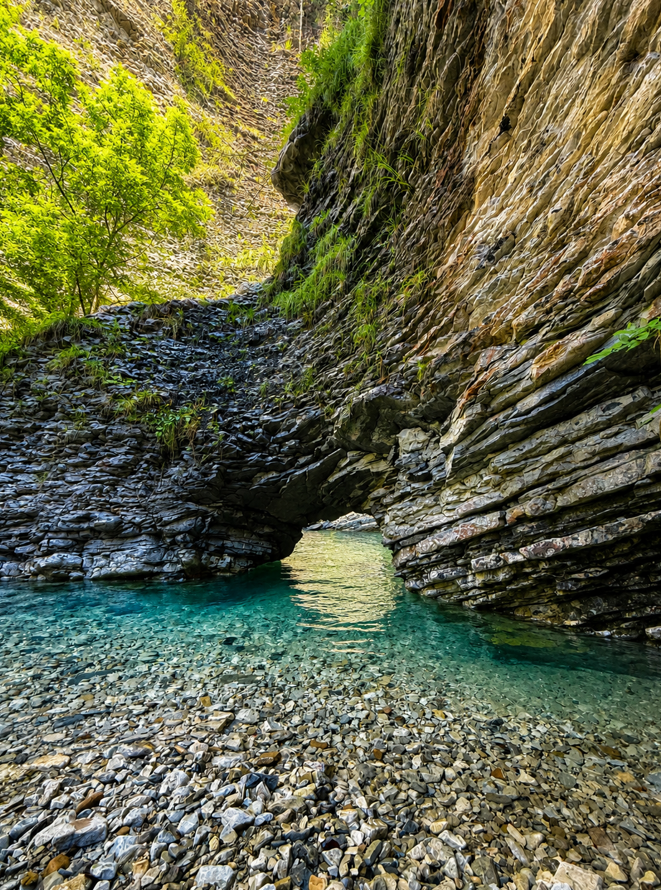
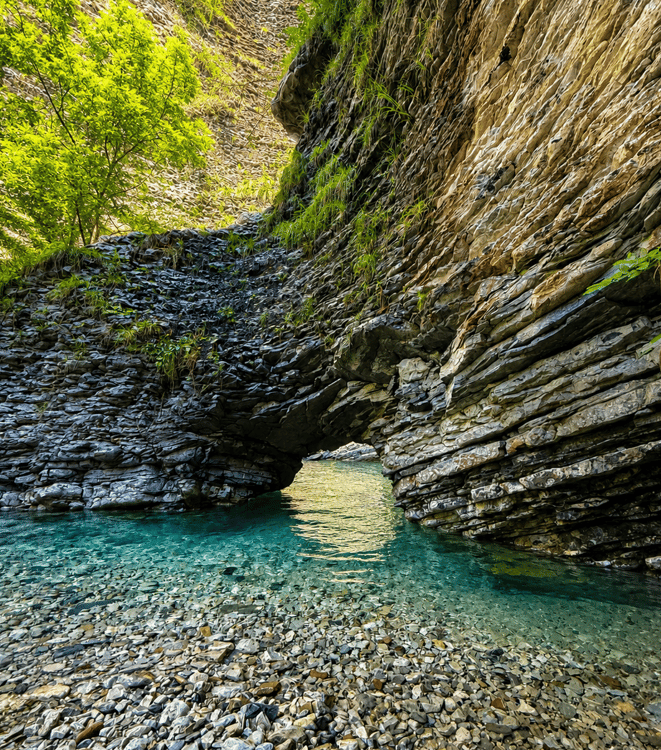
The Blue Grotto of Mel – a secret hidden in the rock
Just a few kilometres from Zumelle Castle lies one of the most magical places in Valbelluna: the Blue Grotto of Mel.
A natural cavity formed by the erosion of a small watercourse which, on bright days, lights up in an intense, almost surreal blue.
The colour of the water changes depending on the time of day and the sun, creating plays of light that recall the sea caves of the Mediterranean — but here, in the heart of the Dolomites.
Reaching it requires a little care: the path is short but slippery, and the grotto lies in an undeveloped natural area.
That is precisely why it preserves such a wild and authentic charm, to be experienced with respect and curiosity.
Tip: visit the Blue Grotto on sunny days in the late morning, when the sun filters in directly and the colour of the water becomes incredible.
Vincheto di Celarda Nature Reserve – the time of stillness
After so many vertical thrills, the Vincheto di Celarda Nature Reserve brings everything back to the essentials.
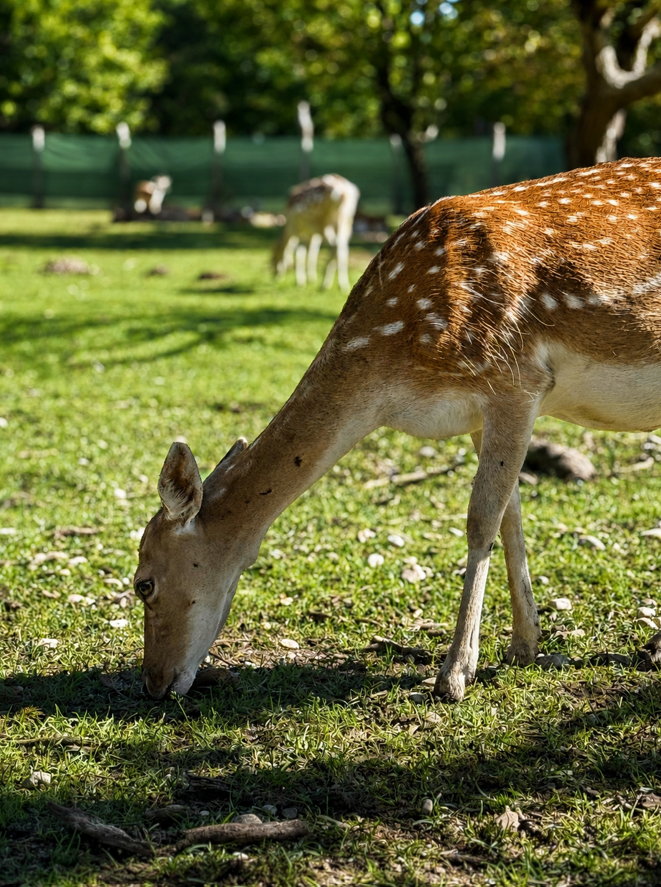
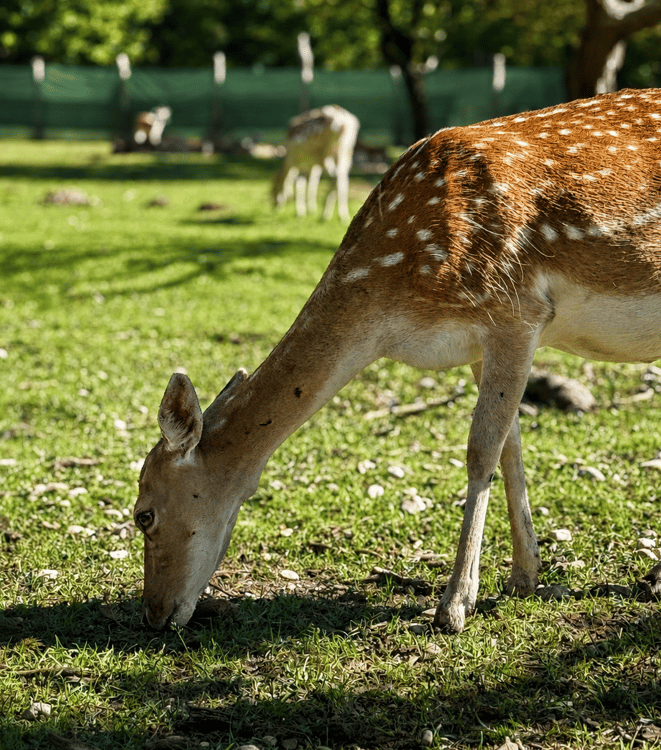
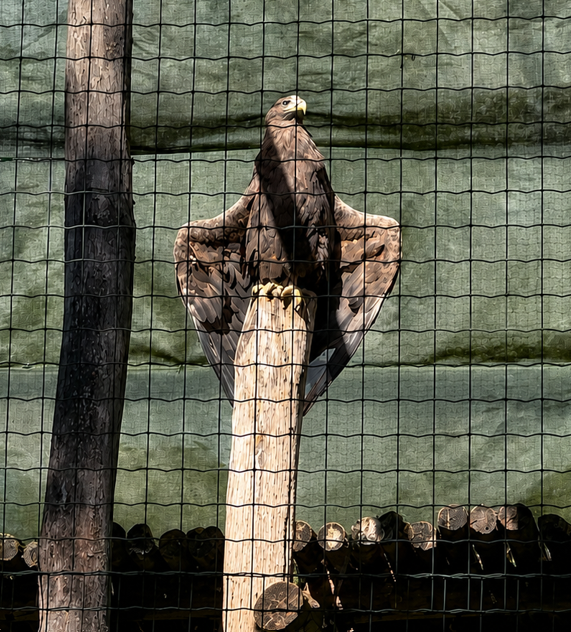
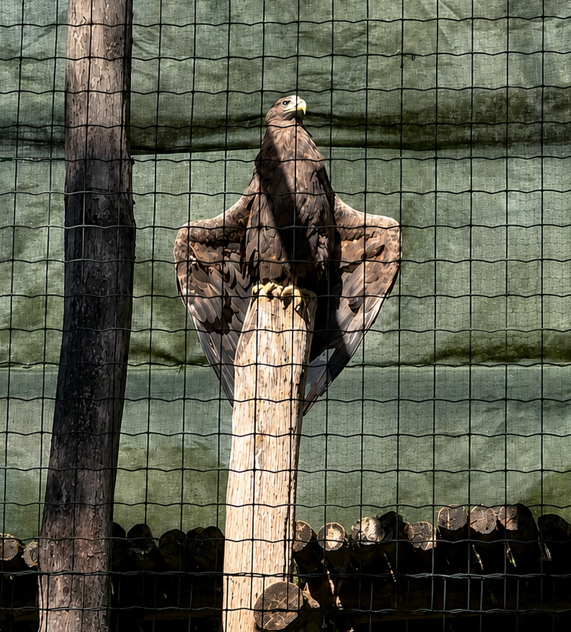
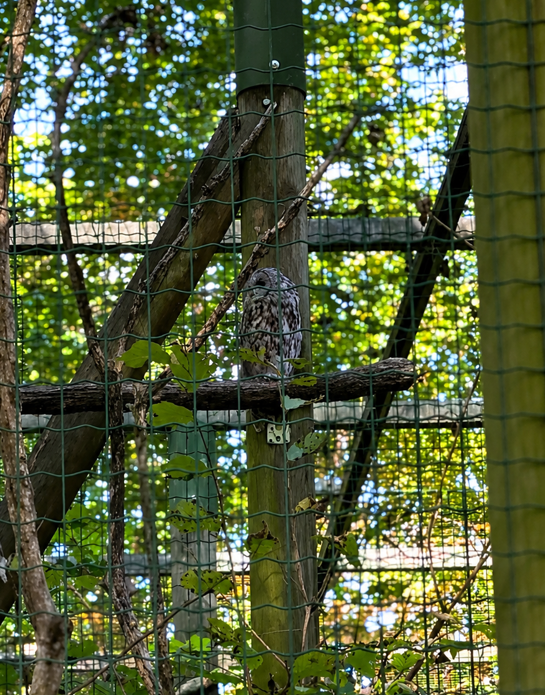
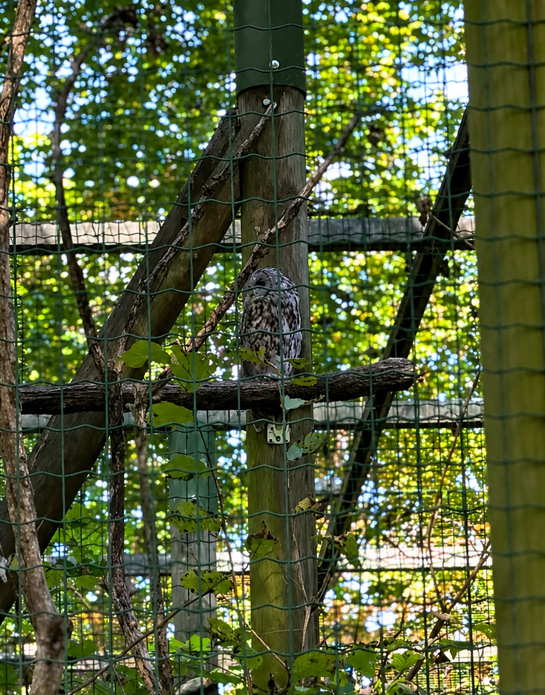
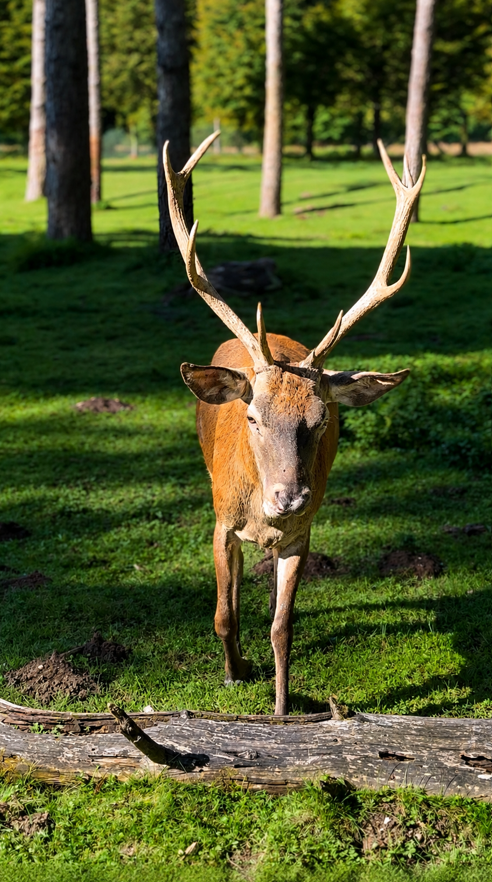
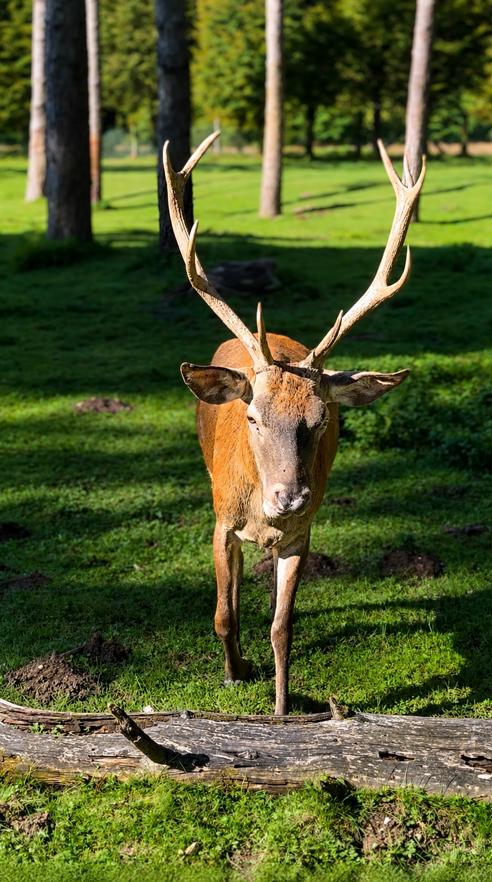
An alluvial plain where the Piave flows slowly, inhabited by deer, herons and roe deer.
It is the perfect place to slow down, go birdwatching, or simply breathe.
The trails are easy and well signposted, also suitable for families or less experienced travellers.
Here, time seems to stretch, and you understand how nature — even in its quietest form — is an integral part of Belluno’s identity.
Suspended between sky and earth
The Igne Suspension Bridge - wolking into the void
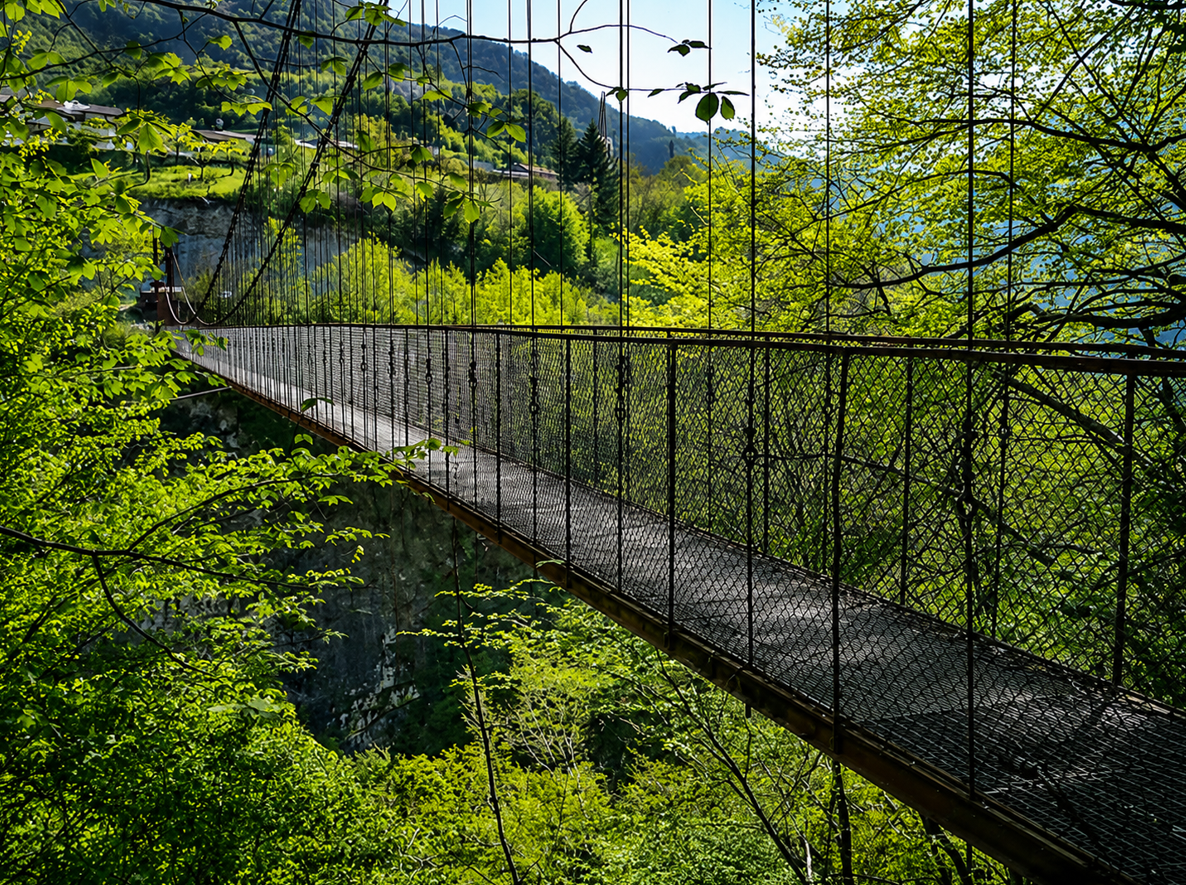
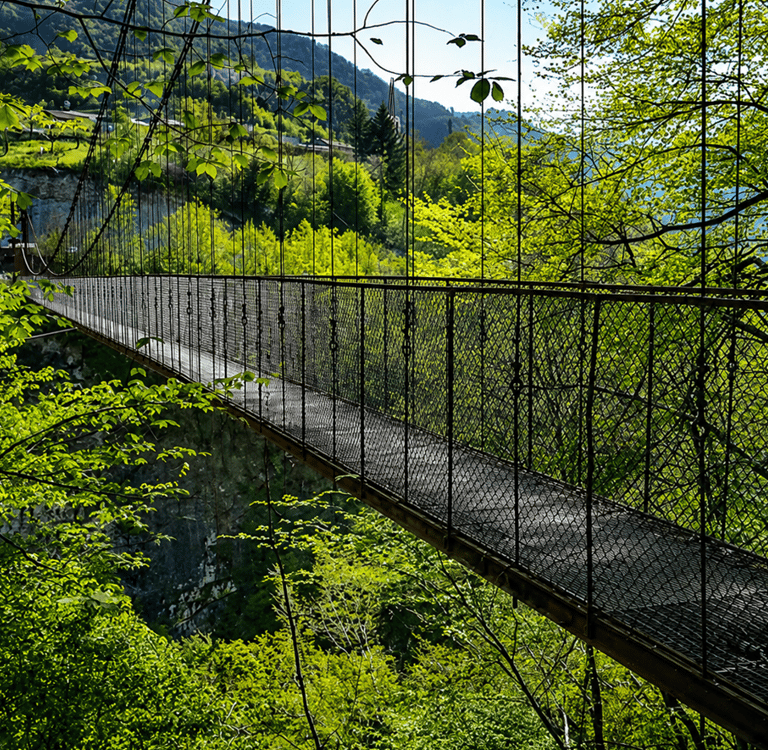
Adrenaline lovers will find exactly what they’re looking for at the Igne Suspension Bridge.
This pedestrian walkway stretches for over 150 metres, connecting two sides of the Maè Valley at a height of 60 metres.
Below, the stream rushes powerfully through the valley; all around, there is nothing but the green of the woods and the breath of the mountains.
The bridge sways gently with every step — just enough to remind you that nature is never entirely predictable.
You don’t need to be an expert hiker: all it takes is a little courage and the desire to see Belluno from a… different perspective.
Pratical tip: always check seasonal opening times and weather conditions. On windy days, the crossing may be closed.
Belluno city: an Alpine lounge of squares and porticoes
Between Piazza dei Martiri and Piazza Duomo
The heart of Belluno is surprisingly elegant.
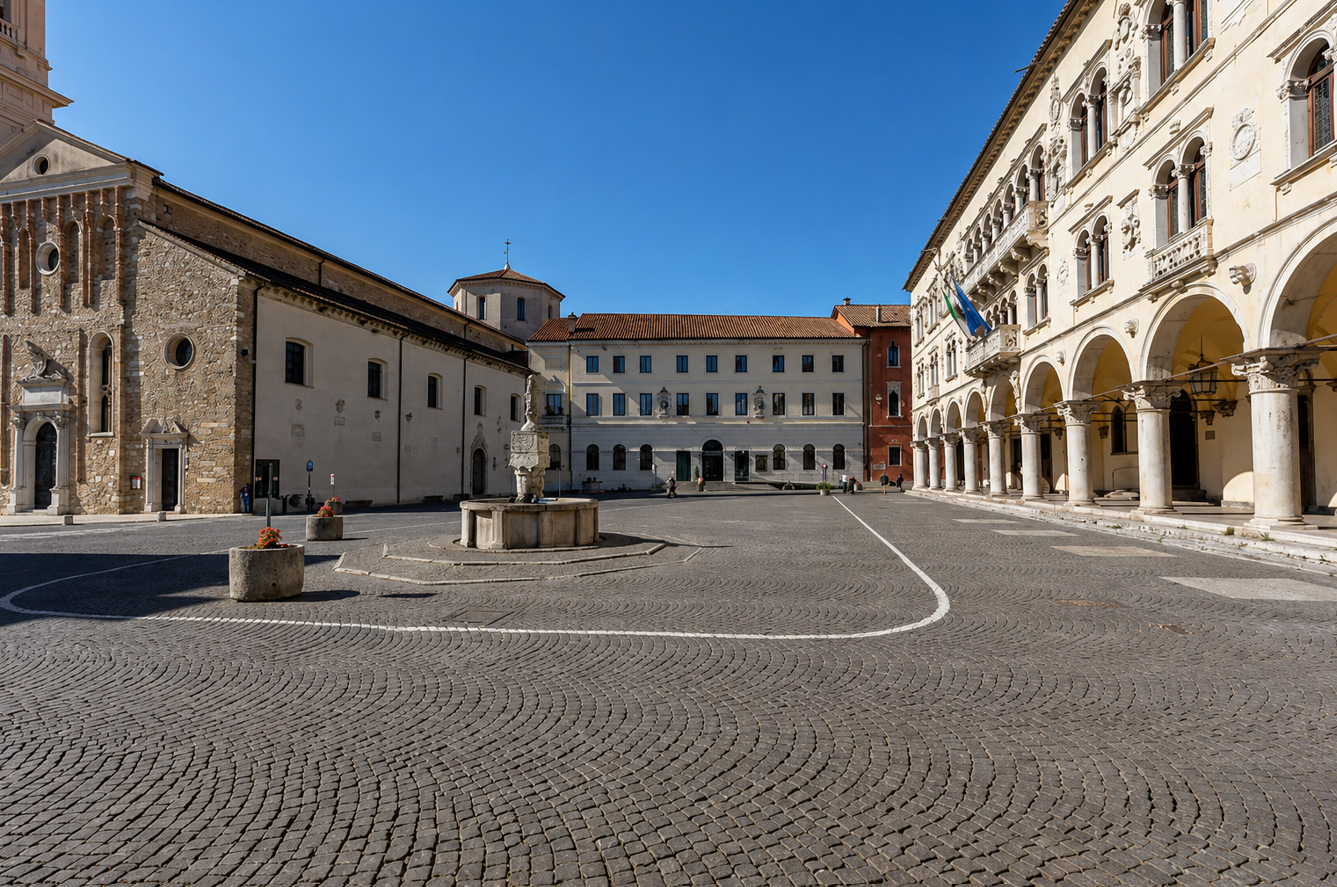
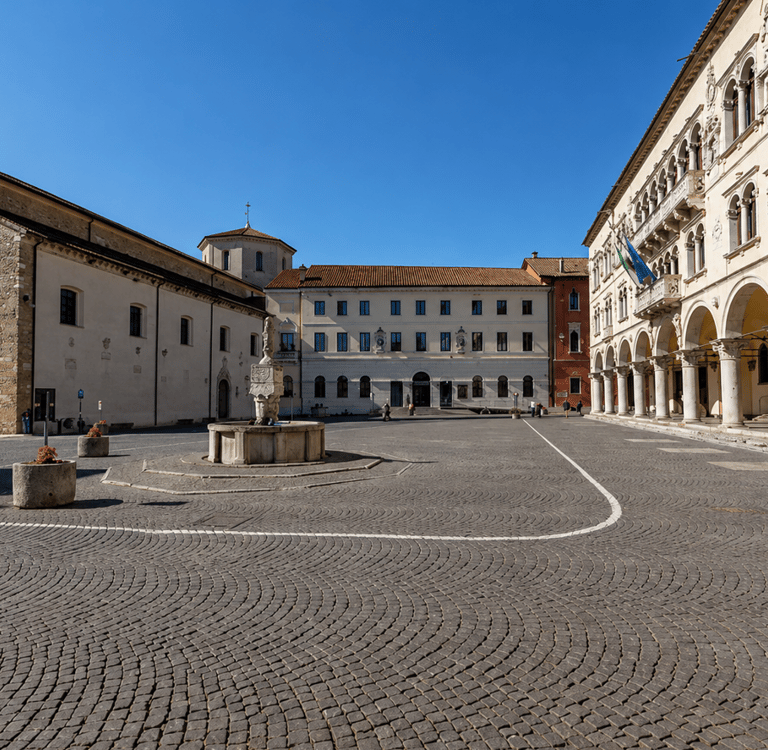
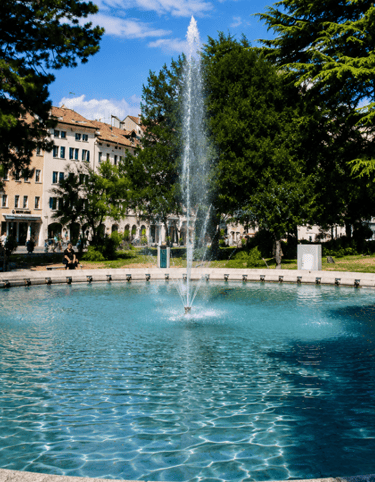
As you walk between Piazza dei Martiri and Piazza del Duomo, you can feel that unmistakable atmosphere of Alpine towns: understated, well-kept, yet full of life.
The pastel-coloured façades, the porticoes, the signs of historic cafés — everything speaks of a city that, despite its small size, has plenty to say.
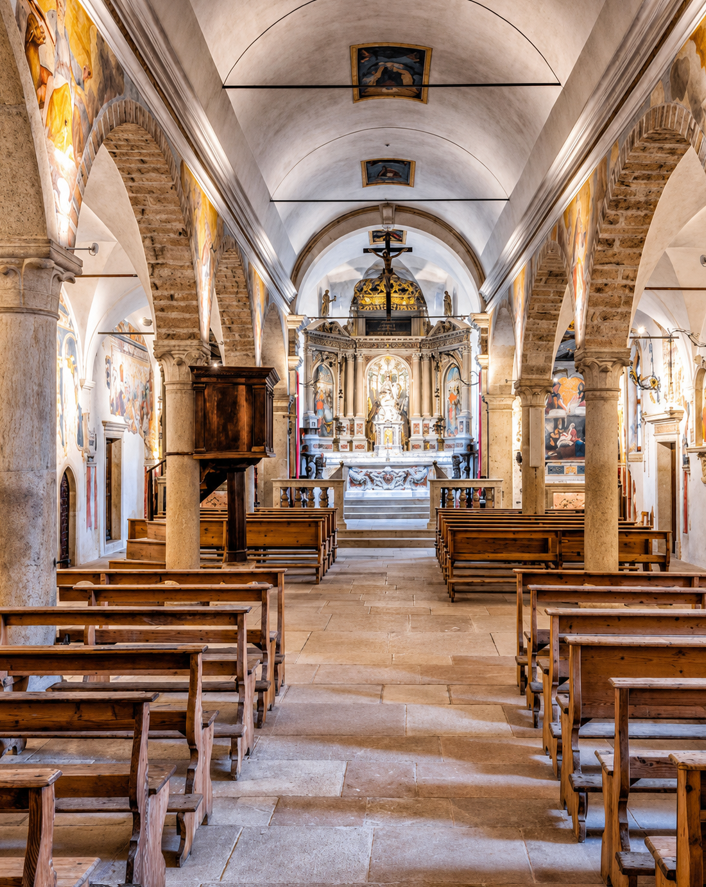
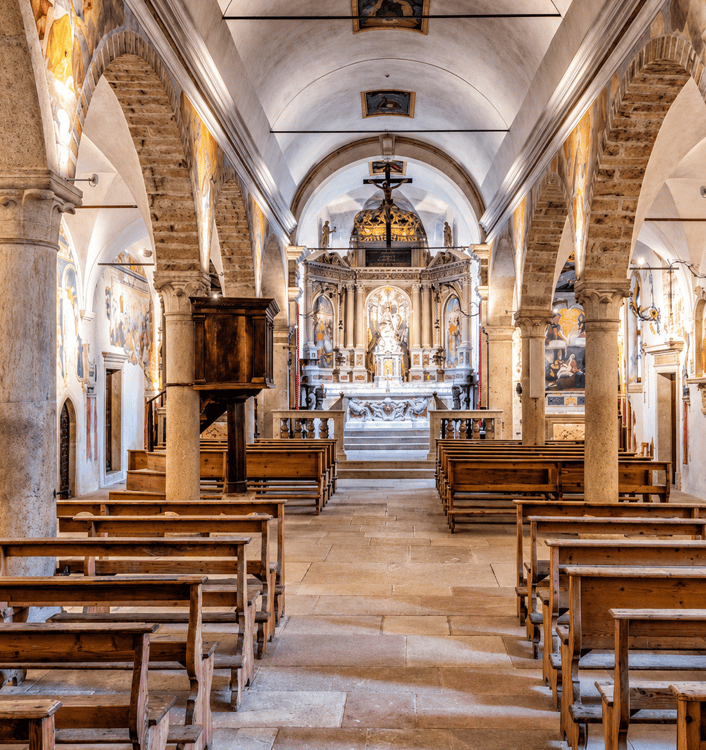
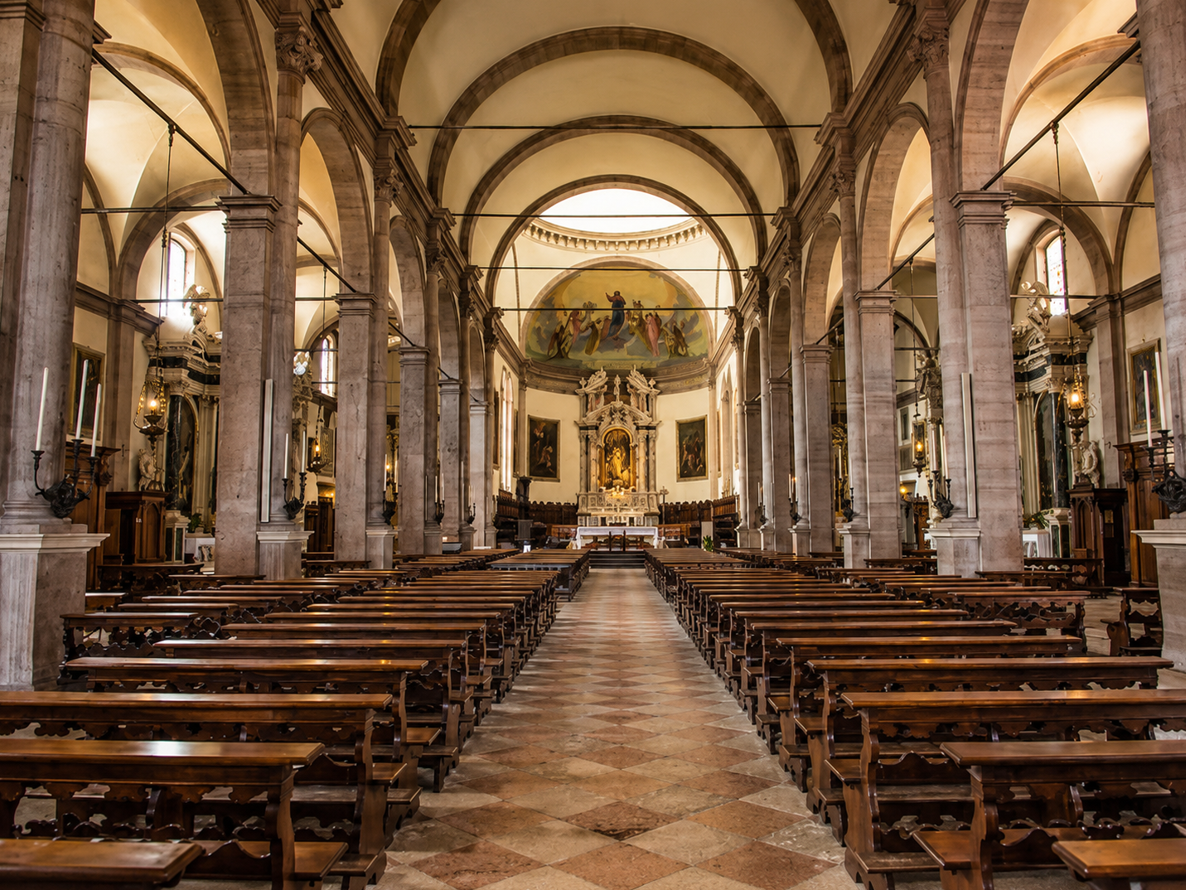
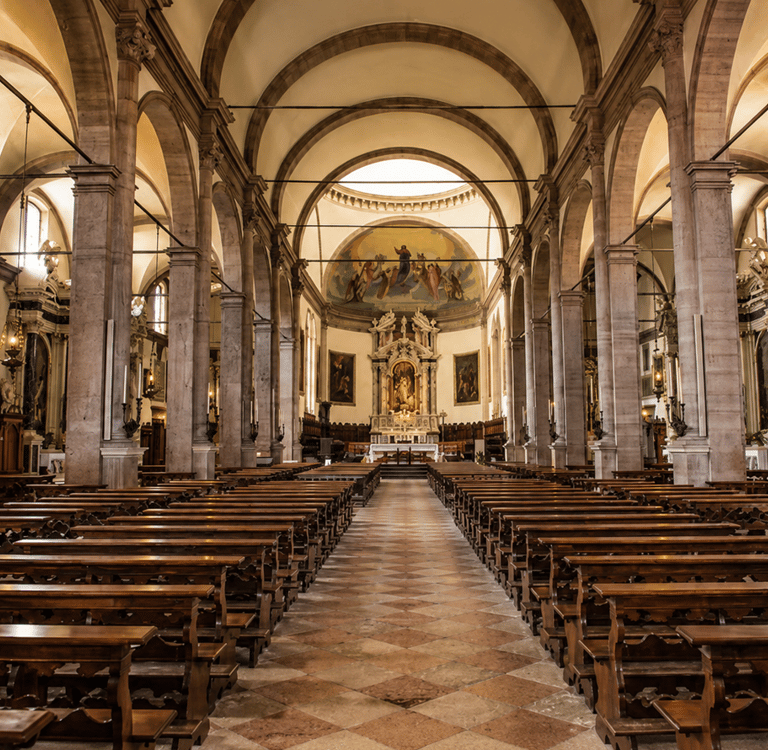
Piazza dei Martiri feels like an urban amphitheatre opening onto the mountains, while Piazza del Duomo is home to two landmarks: the Cathedral of San Martino, with its bell tower visible from almost every corner, and the Church of San Pietro, more intimate but just as fascinating.
Stop at one of the bars beneath the porticoes, perhaps at sunset: this is the moment when the city slows down and the light turns golden, perfect for anyone who loves capturing the everyday soul of a place.
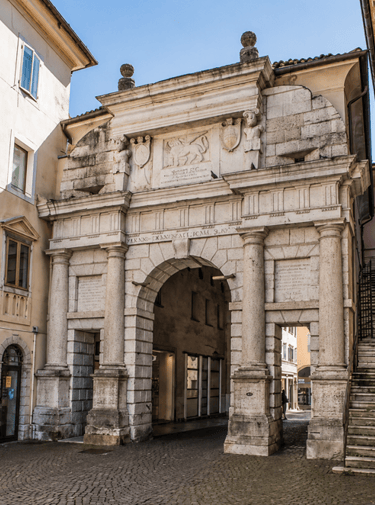
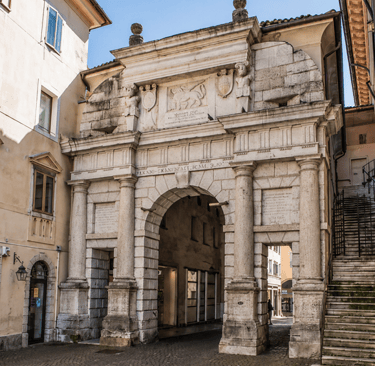
Porta Dojona – the gateway to history
One of the city’s ancient gates, Porta Dojona marks the boundary between modern Belluno and its medieval past.
Walking through it feels like taking a small journey back in time.
From here, narrow lanes branch off into workshops, little shops and corners steeped in lived-in history.
And just a little further on, the view opening out over the Piave reminds you that Belluno is not only a city of art, but also a meeting point between people and nature.
Experiencing Belluno: not just places, but sensations
Visiting Belluno is not simply about ticking names off a map.
It means listening to water carving through rock, feeling the wind descending from the Dolomites, walking in the silence of valleys where life still moves at a slower pace.
It is a destination that brings together adventure and introspection, perfect for those seeking authentic experiences away from the busiest tourist routes.
Belluno is a place to experience at the rhythm of your own breath.
And every stop — from the Bus del Buson canyon to the squares of the historic centre — reveals a different shade of its soul: wild, gentle, resilient.
When to visit Belluno
Every season reveals a different face:
Spring – the streams are swollen with water, the meadows burst into green and canyon hikes become even more atmospheric.
Summer – perfect for those who love trekking and fresh mountain air; the Cadini and the Soffia waterfall are irresistible.
Autumn – the foliage turns the Vincheto di Celarda into a painting, and the light becomes warm, almost golden.
Winter – Belluno’s historic centre fills with Christmas atmosphere, while the surrounding mountains dress in white.
Belluno is easy to reach by car or train from Venice and Padua.
The best way to explore it, however, is to move slowly: with hiking shoes, a camera and plenty of curiosity.
Many of the places mentioned — such as the Bus del Buson or the Cadini del Brenton — are within an hour’s drive of the city centre, making them perfect for a 3–4 day itinerary combining nature and culture.
Belluno, beauty that doesn't show off
Belluno does not shout, nor does it show off.
It reveals itself slowly, like a secret uncovered only by those who know how to listen.
It is the perfect destination for those who love nature in its purest form, for those seeking genuine emotions, for those who want to return home with something more than the usual souvenir: a feeling of calm, balance and belonging.
And if this first taste has made you want to discover more…
Pack your rucksack and stay tuned: we’ll soon be publishing a complete guide to Belluno and its surroundings, with detailed routes, maps, photography tips and exclusive itineraries.
It will be the perfect compass for anyone who wants to experience this corner of Veneto in the most authentic way possible.
Let us know what you think
Leave a comment
Social Link
Follow us on our social channels
Instagram, Facebook e TikTok
ContaCTS
Newsletter
© Copyright 2026 - Zaino in Due