

Bologna’s 7 Secrets: a Treasure Hunt through the Mysteries of the Emilian Capital
A journey through medieval legends, hidden symbols beneath the porticoes, and secret perspectives that escape hurried glances: Bologna’s seven secrets form a mosaic of mysteries that makes the city even more magnetic and unforgettable.
VIAGGI | TRAVELS
Rebecca P. & Raffaele F.
3/2/20265 min read
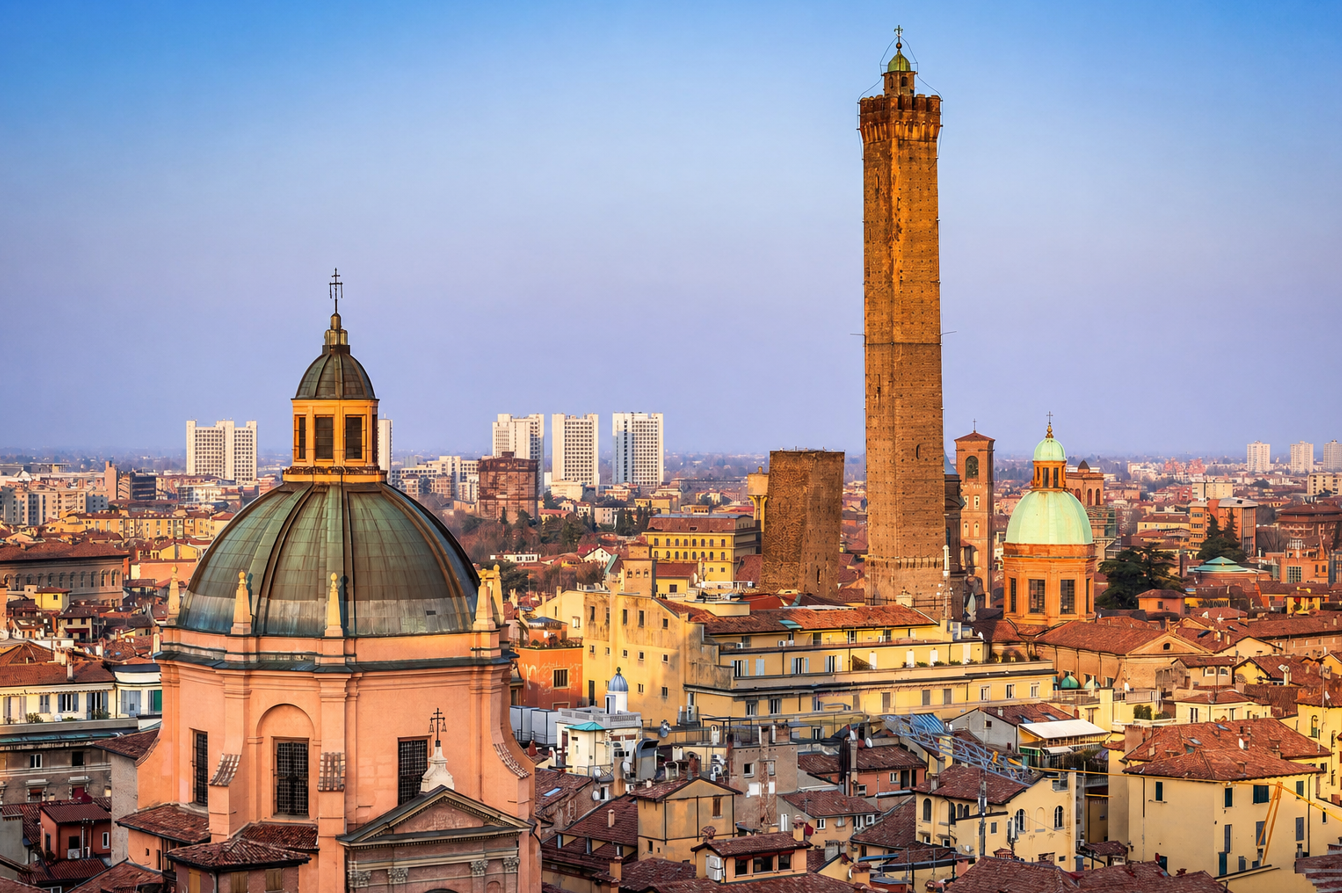
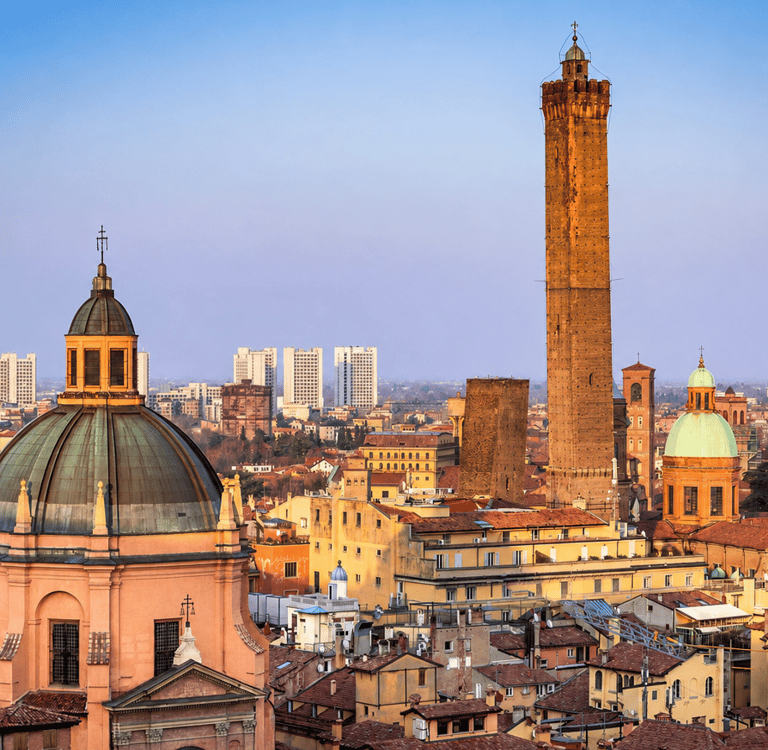
Bologna is not only the aroma of tortellini drifting through the streets of the Quadrilatero, or the endless embrace of its UNESCO-listed porticoes. There is another Bologna: underground, whispered about and almost invisible, revealing itself only to those who know where to look. This is the city of the seven secrets, a collection of curiosities and urban legends that turn a simple stroll into a true urban treasure hunt. If you are looking for one more reason to fall completely in love with this city, let its most fascinating enigmas guide you.
Bologna’s Seven Secrets: a Journey through Mysteries and Hidden Wonders
1. The Whispering Gallery
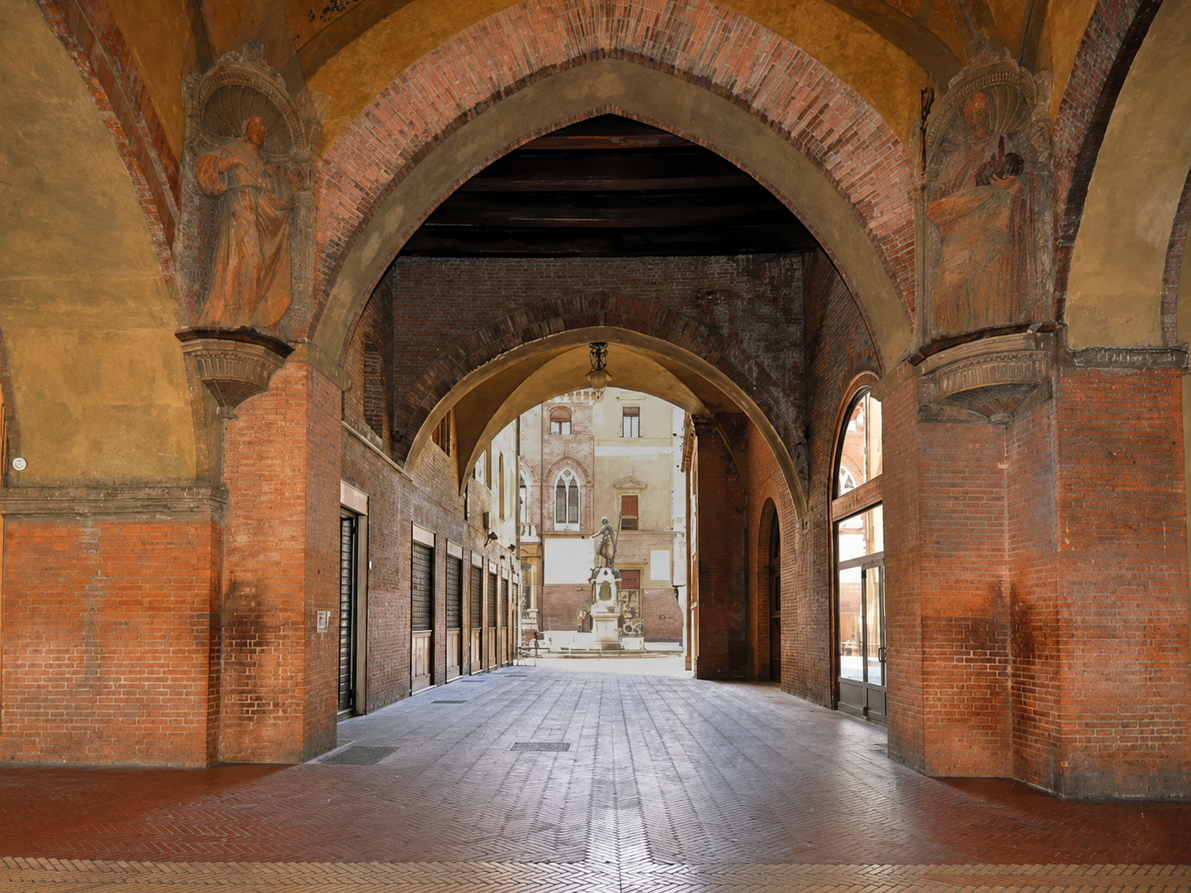
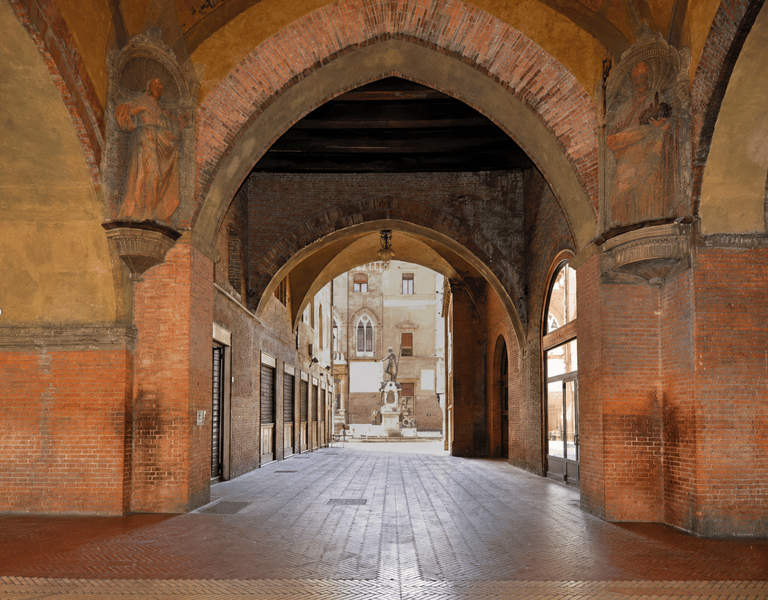
The journey can only begin in the beating heart of the historic centre, beneath the Voltone del Podestà. Here, something magical happens that seems to defy the laws of physics: a real medieval whispering gallery. If you stand at opposite corners of the vault and whisper towards the wall, your voice travels along the curve of the stone and reaches the person on the other side with surprising clarity. It is said that, in the past, this system allowed lepers to confess without infecting the priest, while today it is a favourite game among tourists and university students.
2. Little Venice
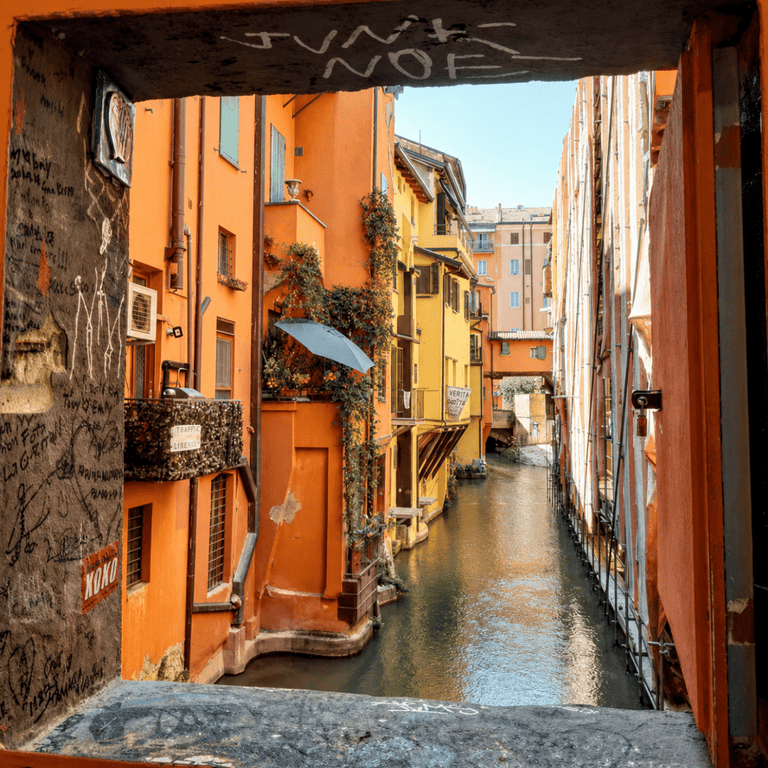
Another fascinating secret, perhaps the most famous and Instagrammable, is linked to the Reno Canal. Bologna was once a city of water, crossed by canals that are now mostly hidden.
Peering through the Finestrella on Via Piella, you can glimpse the Canale delle Moline, framed by colourful buildings and reminiscent of Venice’s narrow lanes. It is a trace of a past in which the city was an intricate network of waterways, essential to the economy and the transport of goods through a canal system that is now almost entirely buried.
3. Neptune’s Finger
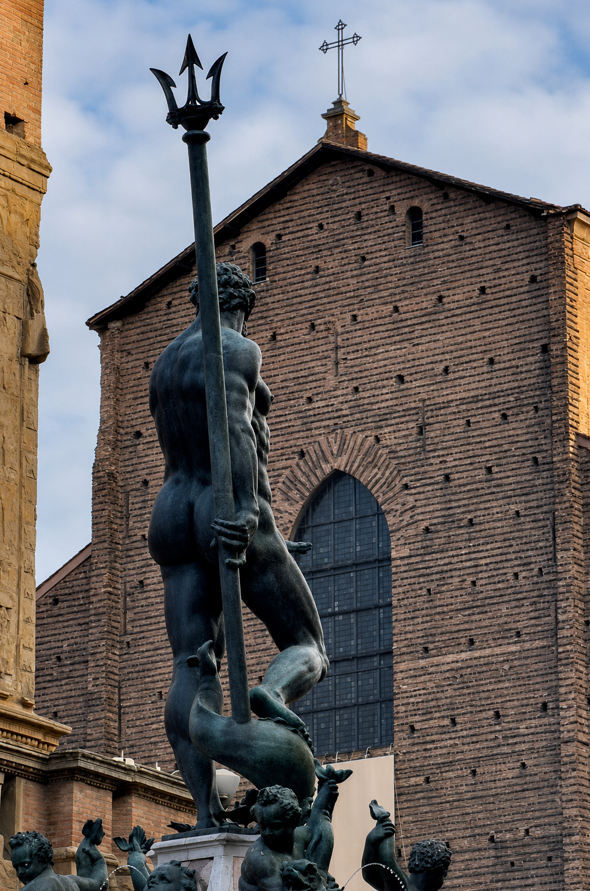
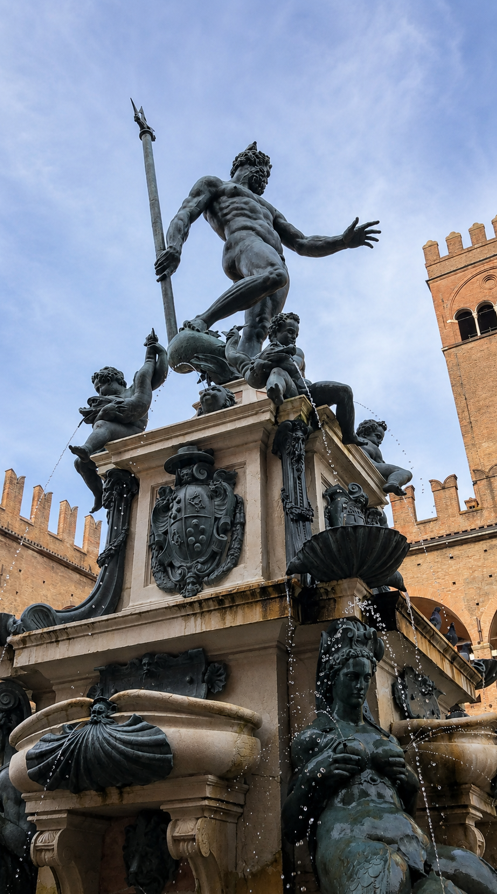
The famous Fountain of Neptune, in the square of the same name, was created by Giambologna in the 16th century and hides a curious optical illusion. During the creation of the work, the sculptor was forced to comply with strict censorship imposed by the Church; he got around the restriction with a clever play on perspective. By standing on a dark stone near the steps of the Sala Borsa, known as the “stone of shame”, the index finger of Neptune’s outstretched hand appears to emerge from his lower abdomen, simulating an erect member.
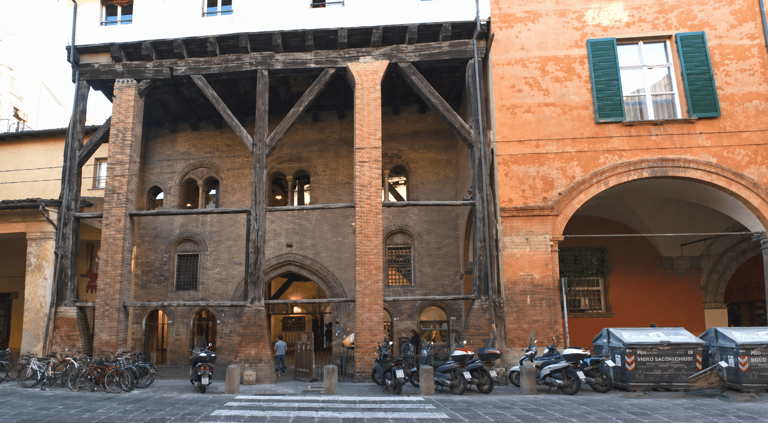
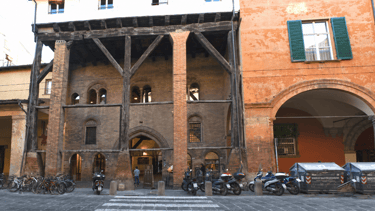
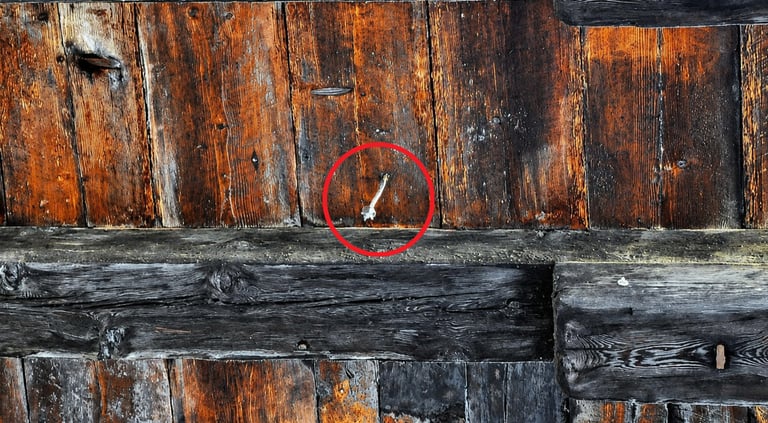
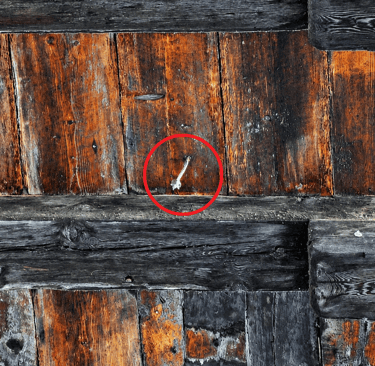
4. The Three Arrows of Corte Isolani
If you look up towards the portico of Corte Isolani, between Strada Maggiore and Via Santo Stefano, you can spot three arrows embedded in the wooden ceiling. Legend has it that three hired assassins, sent to kill a local nobleman, were distracted by the beauty of a woman leaning naked out of a window. The sight distracted them so much that they accidentally shot their arrows upwards.
The arrows can still be seen today, although they are not particularly easy to find.
Another version of the story claims that the noblewoman herself was the intended victim of the three assassins, having been accused of adultery by her husband.
5. Canabis Protectio
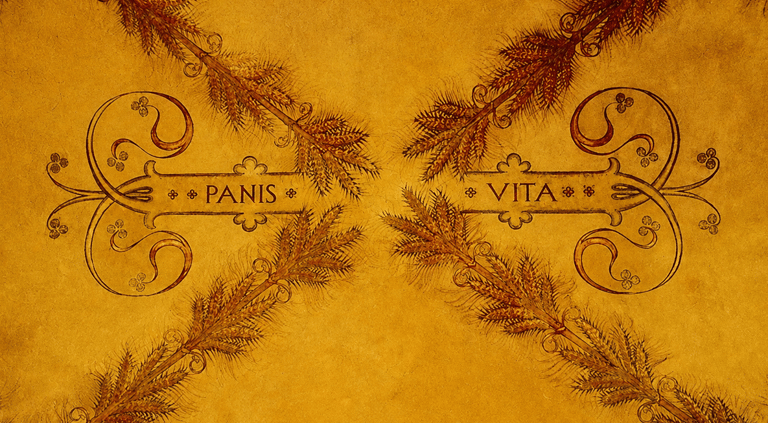
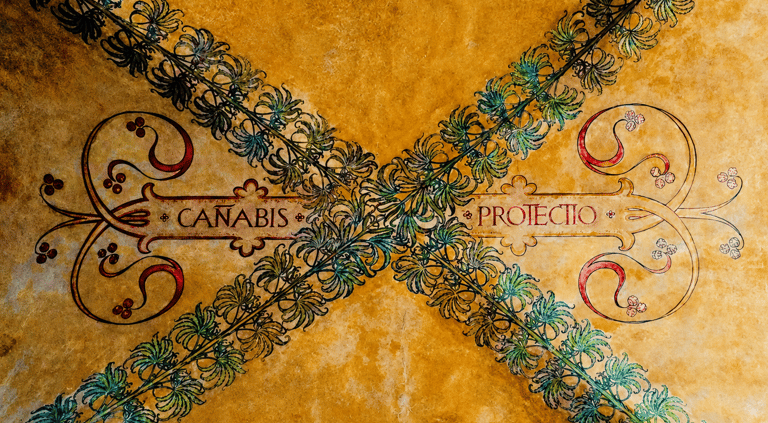
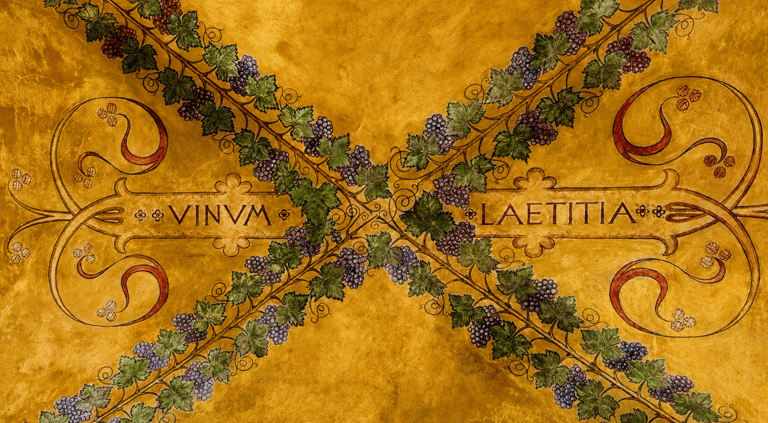
At the corner of Via Indipendenza and Via Rizzoli, beneath the portico of Via del Canton de’ Fiori, you can read the Latin inscription: “Panis vita, Canabis protectio, Vinum laetitia” — bread is life, hemp is protection, wine is joy. The phrase celebrates hemp, which for centuries was one of the pillars of Bologna’s economy, used to produce strong ropes and fabrics and bringing great wealth to the city.
6. The Broken Vase
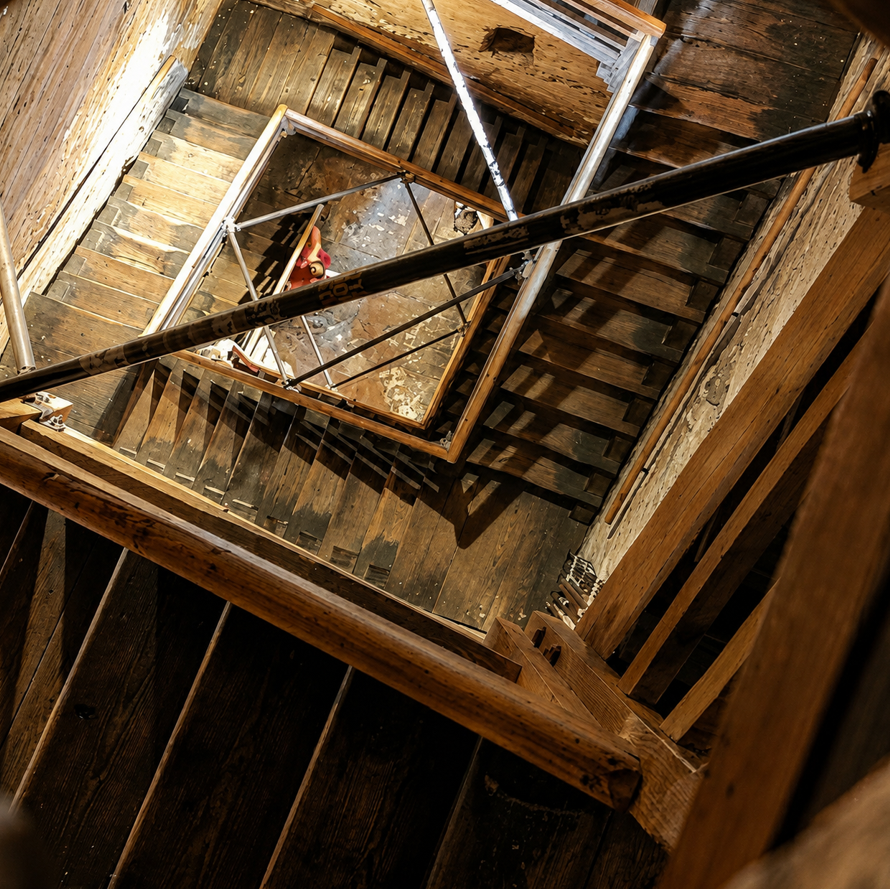
At the top of the Asinelli Tower, one of Bologna’s famous Two Towers, a broken vase is said to be hidden, visible only under particular light conditions and from a certain distance.
Several legends have been passed down about it. According to the most widespread version, the shards were placed there as a warning to local administrators, reminding them to constantly improve their political skills and their ability to manage problems. The opposite interpretation, however, sees the vase as a symbol of the Bolognese talent for solving every problem and overcoming adversity. Many climb the 498 steps in search of it, but few have truly seen it. For students, however, the challenge is a different one: it is said that climbing the tower before graduation brings bad luck.
7. Panum Resis
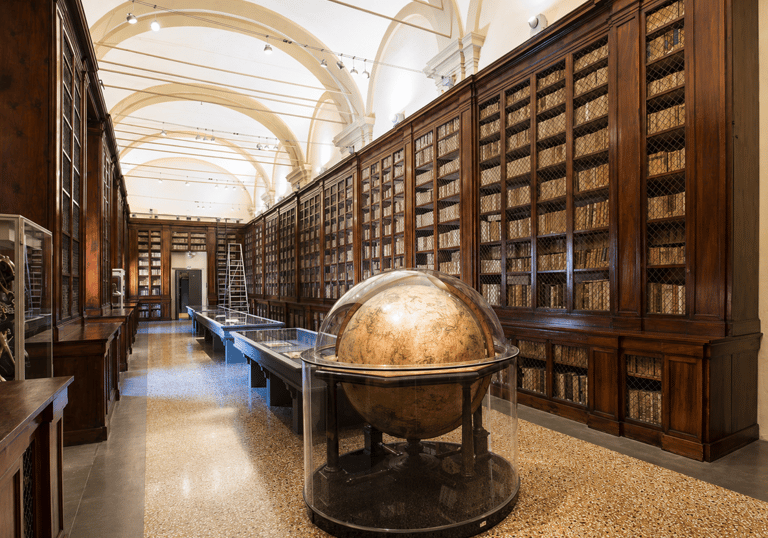
On a lectern in the historic seat of the University, at Palazzo Poggi on Via Zamboni 33, the phrase “Panum Resis” is said to be engraved. This secret is believed to mean that “knowledge is the basis — the bread — of all decisions” or “the bread of resistance”. It is a hymn to knowledge as the foundation of freedom and survival, and a tribute to Bologna’s academic soul. Known as “La Dotta”, the Learned One, the city is home to the oldest university in the Western world.
The mystery lies in the fact that, although the phrase has been mentioned for centuries, no one has ever been able to locate it with certainty.
Exploring Bologna through these tiny details means discovering its most authentic soul, made of irony, ingenuity and a touch of mystery. Every corner hides a story waiting to be discovered and told, making each visit a unique and unrepeatable experience.
Don’t miss our next journeys!
Bologna is a city that never ceases to amaze, but the world is full of hidden corners just waiting to be discovered. If you enjoyed this tour through Bologna’s mysteries and would like to uncover more hidden gems in Italy and around the world, don’t forget to join our community!
Make sure you subscribe to the newsletter to stay up to date with all our destinations.
Follow us on Instagram, TikTok and Facebook too for more travel tips, exclusive content and behind-the-scenes videos.
Let us know what you think
Leave a comment
Social Link
Follow us on our social channels
Instagram, Facebook e TikTok
ContaCTS
Newsletter
© Copyright 2026 - Zaino in Due