
From up-and-coming islands to overtourism: how to discover authentic destinations before mass tourism arrives
Discover practical tools, geographical insights and clever research techniques to uncover up-and-coming islands and travel destinations before they go viral — and explore them with curiosity, respect and a dash of adventure.
NEWS
Rebecca P. & Raffaele F.
7/23/20266 min read
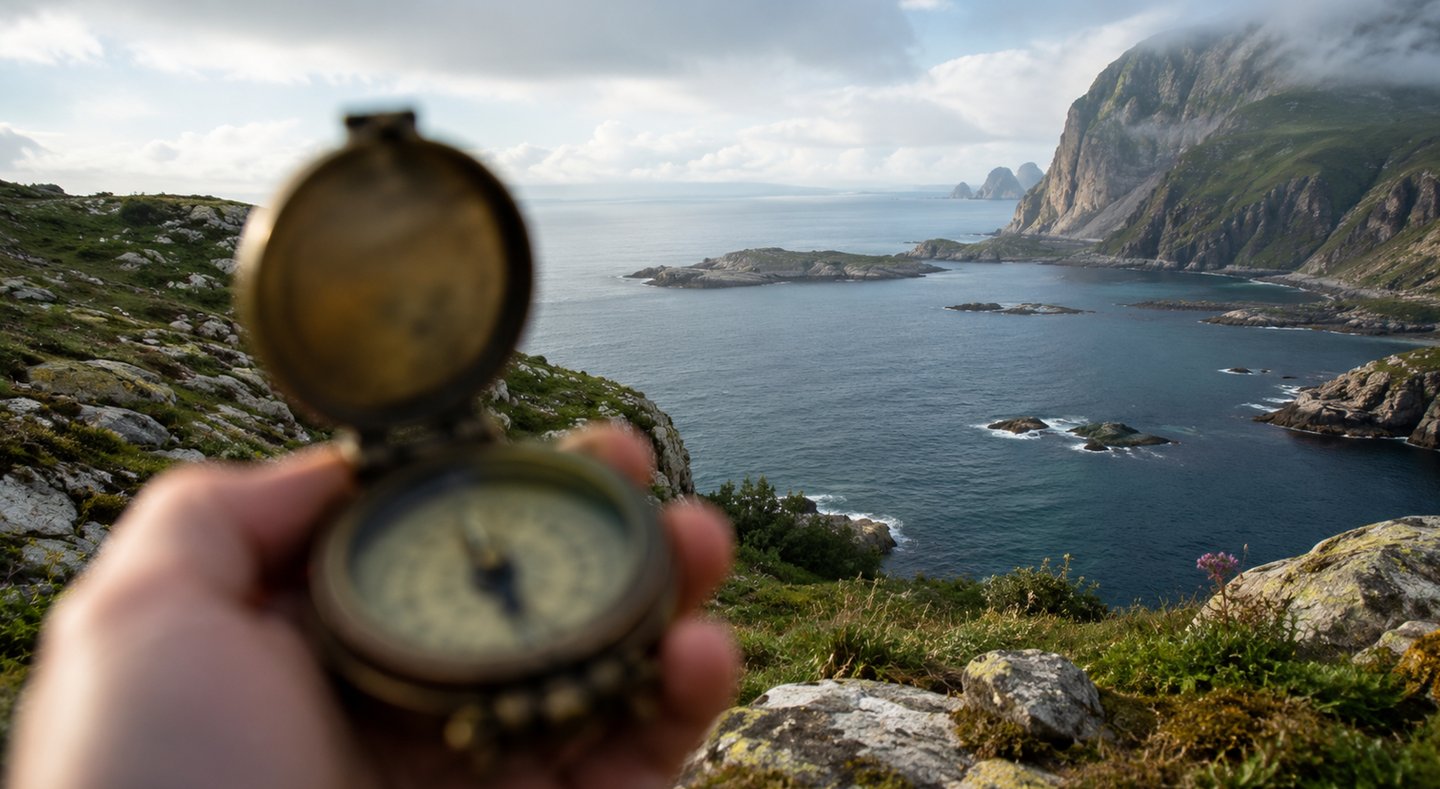
From emerging islands to overtourism: how to discover a destination before it goes viral
There is a particular moment in the story of every destination when a place is accessible enough to be explored, yet not so famous that it has been overwhelmed by tourism. Accommodation is available, transport links are beginning to improve, a handful of curious travellers are quietly spreading the word, there is still plenty of room on the beaches and restaurants do not need to be booked days in advance.
It is a delicate balance.
Then comes a photograph, a fifteen-second video, a new low-cost route or a television series filmed in the area. Within a single season, that little-known corner of the world becomes a global photo backdrop. Room rates double, ferries fill up and hiking trails turn into orderly queues of people with smartphones in their hands.
Discovering destinations before they become famous is not about collecting secret places or getting there before everyone else. It is about learning to read the changing patterns of tourism, looking at maps with fresh eyes and choosing places that still have a living, authentic relationship with their surroundings.
The appeal of islands that have not yet become icons
Islands, in particular, have always held a powerful place in the traveller’s imagination. They are natural boundaries, self-contained worlds and promises of escape. Simply stepping aboard a ferry can make the mainland feel suddenly far away, even when the crossing takes less than an hour.
Some islands, however, have become victims of their own beauty. Santorini, Mykonos, Bali, Phuket and Boracay are just a few examples of destinations where tourism pressure has profoundly changed prices, landscapes, housing availability and everyday life. They have not stopped being magnificent, but visiting them today requires greater awareness, especially during peak season.
Yet there are still emerging islands around the world that rarely appear in holiday brochures or dominate social media feeds. They are not necessarily remote. In fact, many lie close to much better-known destinations, overshadowed by a famous name that attracts the majority of visitors.
Syros, for example, offers all the elegance of the Cyclades without relying entirely on the familiar image of whitewashed houses and blue-domed churches. Porto Santo, in the Madeira archipelago, has a long golden beach and a pace of life that feels very different from that of its more famous neighbouring island. In the Indian Ocean, Praslin is already well known, yet it still has areas where lush vegetation, unspoilt beaches and local life remain untouched by the feeling of stepping into a carefully staged postcard.
When a destination goes viral
Tourism rarely goes viral because of a single factor. It is more like a current that gathers different elements until, at some point, it becomes impossible to ignore.
A video reveals a natural pool filled with crystal-clear water. A creator publishes an itinerary with an irresistible headline. Online searches increase, international hotel groups begin to invest and booking platforms feature the destination among the year’s top trends. Meanwhile, the algorithm continues showing the same place to millions of people.
Public perception changes before the destination itself does. In an instant, somewhere virtually unknown suddenly becomes “unmissable”. The desire to visit is no longer driven by curiosity alone, but also by the fear of missing out on a shared experience.
This is where overtourism comes into play. It is not simply the presence of large numbers of tourists. It is a condition in which the number, behaviour or concentration of visitors exceeds a destination’s ability to accommodate them without damaging the environment or diminishing the quality of life of local residents.
Understanding how to avoid overtourism therefore means looking not only at how many people arrive, but also at where they gather, when they visit and what consequences their presence creates. Ten thousand visitors spread throughout the year may support a local economy. The same number concentrated into a few weeks, along a single road or on one small beach, can have a completely different — and often damaging — impact.
This is not, of course, about demonising tourism, which represents a vital economic opportunity for many isolated communities. It is about distinguishing organic growth from saturation.
The signs of a destination on the rise
There is no foolproof formula for predicting the next trending destination. There are, however, clear clues that begin to appear long before social media feeds become flooded with images of it. Learning to recognise these signals is the first step towards planning alternative journeys and discovering places that remain relatively untouched.
The first is accessibility. When an airline launches a new route or increases the frequency of services to a secondary island, tourism usually follows. The same happens when a new port opens, a scenic road is improved or the ferry system becomes easier to use.
A second sign comes from the accommodation and hospitality sector. The opening of small boutique hotels, independent guesthouses and contemporary restaurants may indicate that a destination is entering a period of change. Large international chains have not yet taken over, but a few entrepreneurs have already begun to recognise its potential.
Online conversations matter too. Do not focus exclusively on content that has already gone viral, because by then the transformation is often under way. Pay attention instead to occasional mentions: an island recommended by travel photographers, local guides, independent magazines or creators who specialise in alternative, lesser-visited destinations.
There is also a less obvious signal: the presence of travellers from neighbouring countries. Many international destinations are discovered first by regional tourists. An island that remains relatively unknown to Italian travellers, for example, may already be popular among visitors from Greece, Portugal or Scandinavia. Reading foreign blogs and publications, even with the help of automatic translation, can open unexpected windows onto new places.
Looking beyond social media
Instagram, TikTok and Pinterest are extraordinary sources of inspiration. Problems arise when they become your only compass.
To discover authentic destinations, you need to step outside the most obvious stream of information. Move beyond traditional Google searches such as “things to do in…”. By entering these phrases, you are already accessing content designed for a mass audience. Finding hidden, lesser-visited places requires a radical change in perspective and an almost investigative use of technology.
Start by opening satellite maps. Zoom in on stretches of coastline that appear to have no major settlements. Look for coves without paved access roads, mountain ridges sheltering small bays or clusters of rocks near well-known islands that are overlooked by high-speed ferries.
Read reviews written by people who live in the region. Then explore local council and tourism-board websites, where you may find information about festivals, markets and walking routes that receive little international promotion.
Browse national and regional public transport websites in their original language. Translating a webpage may reveal rural bus routes or local ferry services that international guidebooks do not even mention.
Forums used by hikers, divers and cycle tourists are another valuable resource, often offering far more detailed information than general travel guides.
Social media does not need to be abandoned. On the contrary, it can become a powerful ally when used intelligently — and almost in reverse. Instead of searching for the most popular hashtag, browse the geotags of small, overlooked villages. Filter content by publication date and avoid relying exclusively on profiles with hundreds of thousands of followers.
Look instead for photographs shared by local residents, landscape photographers or fishermen. They are more likely to reveal the truth of a place rather than the polished version designed to attract clicks.
The traveller’s dilemma: how to share without destroying
Reaching a place that remains sheltered from the crowds creates an incomparable feeling: silence broken only by the wind, the genuine welcome of local residents and the sense of being a guest rather than a consumer of experiences.
But what happens when we create content ourselves, whether professionally or simply out of passion? How can we share these remarkable places without accelerating their transformation into tourist traps?
This is one of the great responsibilities of contemporary content creation. Promoting sustainable, thoughtful tourism does not mean jealously keeping every discovery to ourselves. It means teaching our audience to care about context.
When publishing a photograph or video, it is not always necessary to include exact GPS coordinates or a precise geotag. You can tell the story of the region, its culture and its atmosphere while leaving readers to make a little effort to locate that particular point on the map. The effort involved in discovery is one of the best filters against fleeting, box-ticking tourism.
Telling the story of a destination also means showing its fragility. It means reminding visitors not to leave rubbish behind and encouraging them to spend money in small, family-run businesses rather than international chains.
In this way, travel content stops being a purely aesthetic showcase and becomes a tool for protecting the places it portrays.
Continue the journey with us
Do you love discovering new routes, little-known islands and stories that deserve to be told before they become the next big trend? Subscribe to our newsletter for itineraries, inspiration and practical advice dedicated to a more curious and thoughtful way of travelling.
Follow us on Instagram, Facebook and TikTok and never miss our latest videos, guides, behind-the-scenes stories and destinations to add to your travel wish list.
The world is still full of places with the power to surprise us. We simply need to learn where to look.
Let us know what you think
Leave a comment
Social Link
Follow us on our social channels
Instagram, Facebook e TikTok
ContaCTS
Newsletter
© Copyright 2026 - Zaino in Due