
Massa and Carrara in a Weekend: Lardo, Marble and Waves in the Heart of the Apuan Alps
A practical guide to planning a weekend in Massa and Carrara, exploring historic town centres, marble quarries, villages nestled in the Apuan Alps and seaside resorts. A two-day itinerary packed with must-see stops, useful tips and ideas on what to visit, where to stop and how to get around.
VIAGGI | TRAVELS
Rebecca P. & Raffaele F.
7/20/202610 min read
A Weekend in Massa and Carrara: Marble Quarries, Historic Centres and the Coast
Massa and Carrara are often seen merely as places to pass through while travelling along the Tuscan coast. Spend a couple of days here, however, and you will discover a remarkably varied area filled with historic centres, castles, museums, beaches, mountain villages and, of course, the famous marble quarries.
We are in the northernmost corner of Tuscany, on a narrow strip of land squeezed between the Ligurian Sea and the Apuan Alps. What makes this area so distinctive is the extraordinary proximity of the coast to the mountains: in less than twenty minutes by car, you can find yourself in a completely different setting. A car is undoubtedly the best way to explore the area independently.
Those arriving by train should use Massa Centro or Carrara-Avenza stations, both of which are well connected to the main Tyrrhenian railway line. However, public transport services to the quarries and outlying destinations such as Colonnata, Marina di Massa and Marina di Carrara tend to be infrequent.
Massa has an elegant and orderly historic centre, with buildings connected to the Cybo-Malaspina family, attractive squares and several interesting museums. Carrara has a more distinctive character: marble is everywhere, from the streets and façades to the fountains and artists’ workshops.
The seaside resorts of the Apuan Riviera and the small villages scattered along the roads leading towards the quarries complete the experience.
An itinerary between Massa and Carrara is particularly suitable for travellers who do not want to spend the entire weekend visiting monuments. Cultural attractions can easily be alternated with walks, time on the beach, guided tours and leisurely lunches.
The area can be visited throughout the year, although spring and early autumn are probably the most enjoyable periods. Temperatures are milder and particularly suitable for walking, while the coast is far less crowded than during the height of summer.
Friday Evening: Arriving and Exploring Massa’s Historic Centre
To begin the weekend at a relaxed pace, try to arrive in Massa during the early afternoon and head into the historic centre for an initial walk.
The city’s main landmark is Piazza degli Aranci, a large pedestrian square lined with bitter orange trees and dominated by the imposing Palazzo Ducale, which now houses the provincial administration and the Prefecture.
A short walk from the square stands the Cathedral of Saints Peter and Francis, also known as Massa Cathedral. The building contains works of art and historical artefacts connected to the city’s religious heritage. A visit does not take long and can easily be included in an evening walk, although it is worth checking the opening hours beforehand.
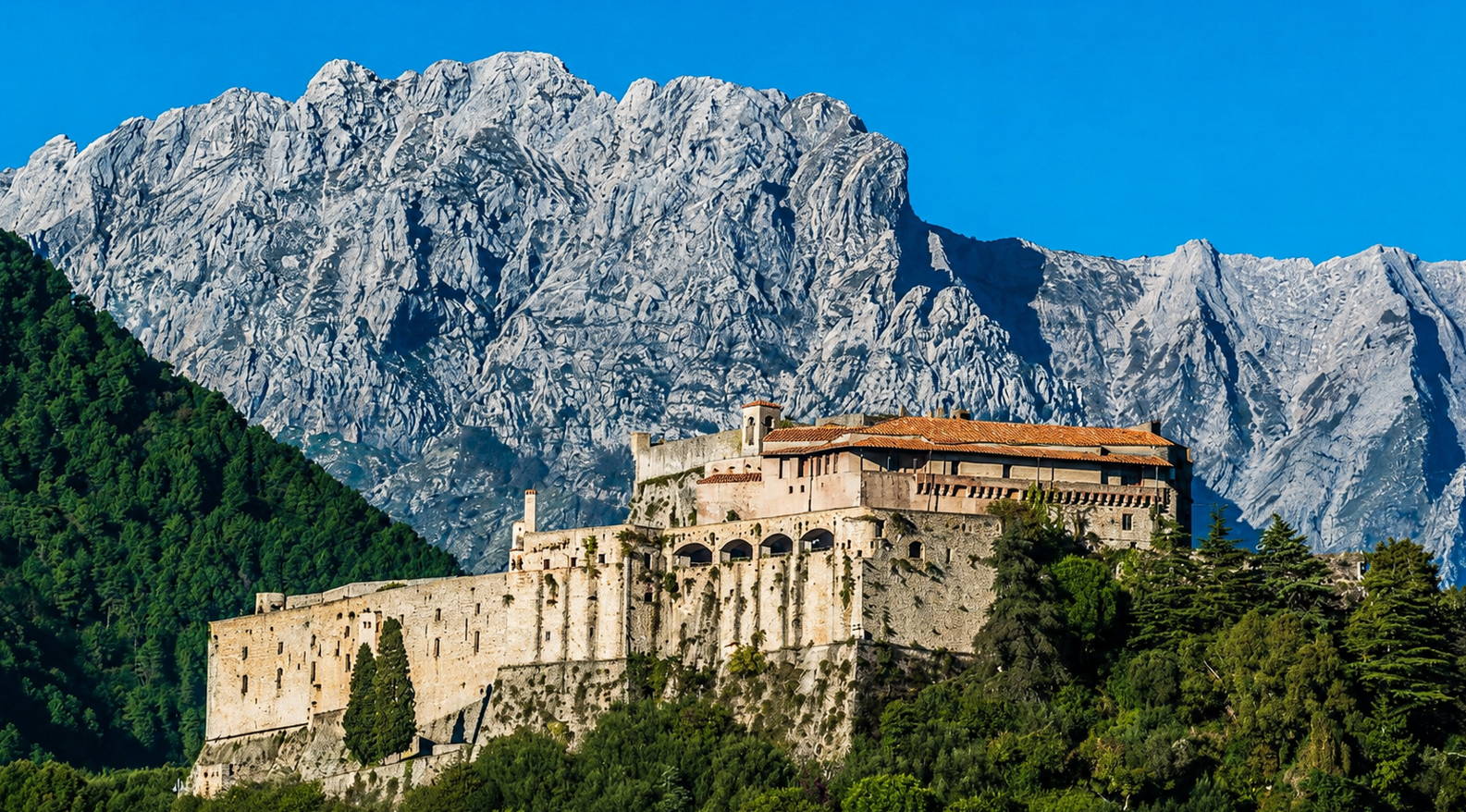
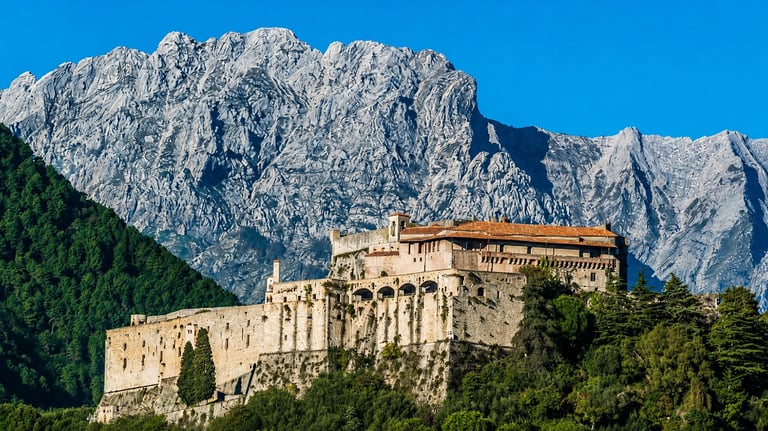
The main attraction not to be missed, however, is Massa’s Malaspina Castle. The fortress overlooks the city from a rocky outcrop and can be reached by walking uphill through the streets of the medieval quarter.
The castle is divided into two main sections: the medieval defensive walls and wall walks, and the Renaissance palace, which features a richly decorated inner courtyard. From the castle’s battlements, there are sweeping views across the plain and all the way to the sea.
For dinner, you can remain in the historic centre, where you will find plenty of traditional trattorias, pizzerias, wine bars and restaurants serving Tuscan cuisine.
Saturday Morning: Massa’s Historic Centre
The following morning, you can return to the centre and explore its main attractions at a more leisurely pace.
Piazza degli Aranci remains the most convenient starting point.
Nearby is the Diocesan Museum, housed inside a building that once formed part of the court residences. It is an interesting place to visit for anyone wishing to learn more about the artistic and religious history of the area.
Massa’s historic centre is not particularly large, so there is no need to follow a rigid route. Simply wander through its streets and explore at your own pace.
Villa della Rinchiostra and the Guadagnucci Museum
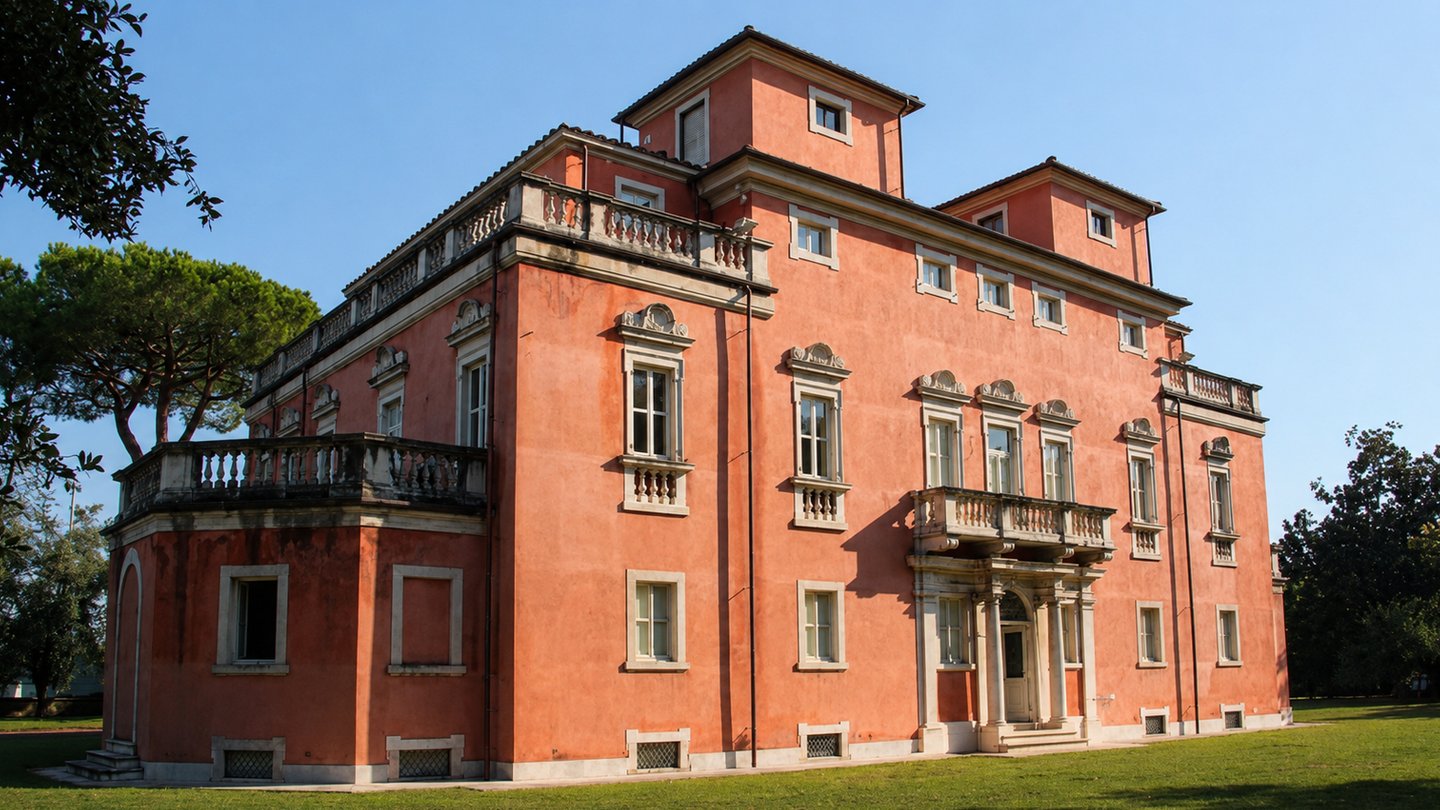
One place that should not be missed is Villa della Rinchiostra.
Set within a park, the villa houses the Gigi Guadagnucci Museum, dedicated to the Massa-born sculptor known for his work with marble. The pieces on display show how a material normally associated with heavy, imposing monuments can be transformed into much lighter and more delicate forms.
The museum also provides a useful introduction to the following day, when the itinerary continues towards Carrara and its marble quarries.
Check the museum’s opening days and times in advance, as they may change depending on the season or any events taking place.
Saturday Afternoon: Marina di Massa and the Apuan Riviera
After lunch, leave the historic centre and head towards Marina di Massa, a popular seaside resort stretching along the coast and lined with beach clubs, sandy beaches, hotels, restaurants and a promenade that is ideal for walking.
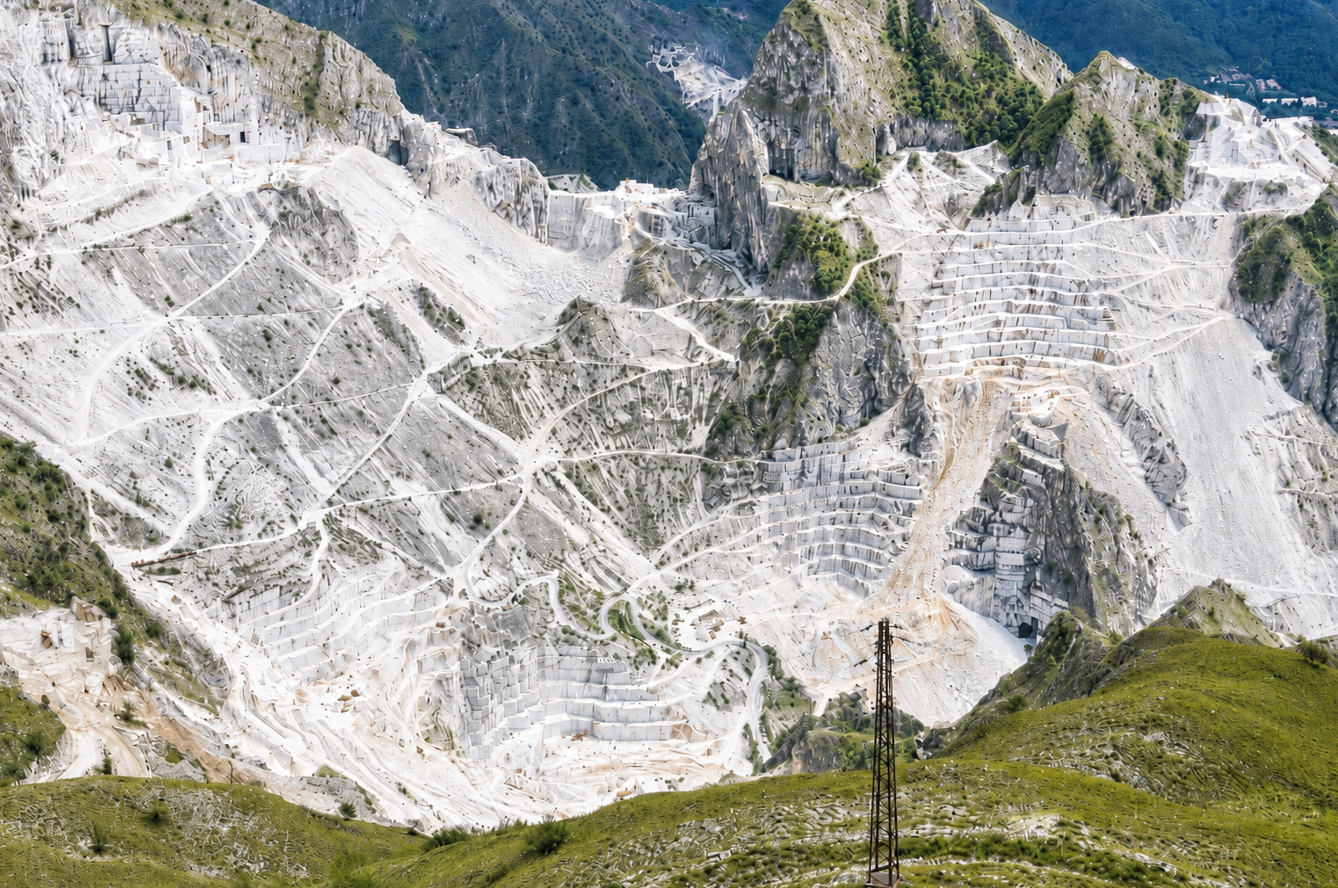
Its most striking feature is the proximity of the sea to the Apuan Alps. On a clear day, simply look inland to see the mountains and the distinctive white faces of the marble quarries.
The beaches of the Apuan Riviera are suitable both for a full day by the sea and for a brief stop during your journey. In summer, you can spend the afternoon on the beach. At other times of the year, it is often more enjoyable to walk along the seafront, stop at a café or hire a bicycle.
Along the coast, you will also see several historic villas and buildings connected to the development of tourism in the area during the 19th and 20th centuries. Although not all of them are open to visitors, they give the promenade a different character from that of more modern seaside resorts.
In the evening, you can either have dinner in Marina di Massa or return to the town centre. Remaining on the coast will give you a wider choice of seafood restaurants, pizzerias and informal places to eat.
Sunday Morning: Exploring Carrara’s Historic Centre
Sunday can be dedicated to Carrara and its quarries. The city has a distinctive urban layout shaped by its working-class identity and its long history of marble extraction. You can leave your car in one of the car parks outside the historic centre and explore entirely on foot.
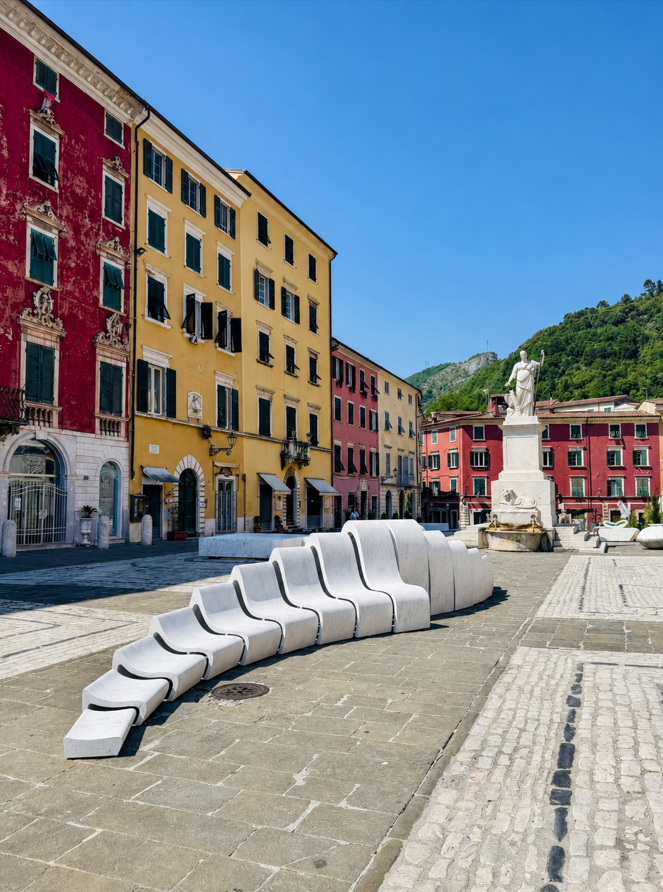
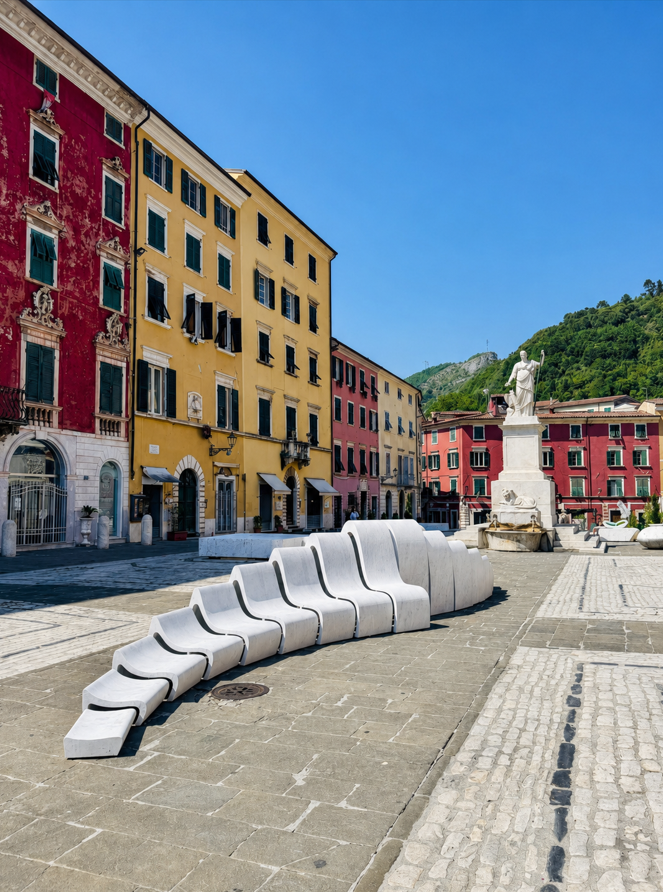
The most practical starting point is Piazza del Duomo, home to the Cathedral of Sant’Andrea. Its façade was built using several different varieties of marble and perfectly represents the relationship between the city and the material extracted from the surrounding mountains.
From Piazza del Duomo, continue towards Piazza Alberica, one of the main public spaces in the historic centre. It is surrounded by historic buildings and frequently hosts events, markets and public celebrations.
Another important building is Palazzo Cybo-Malaspina, which now houses the Academy of Fine Arts. The Academy has helped preserve the strong connection between Carrara, sculpture and artistic education.
As you walk through the city, pay attention to the less obvious details. Benches, doorways, fountains, plaques and wall coverings all reveal just how deeply marble is woven into Carrara’s everyday life.
Visiting the city of marble is therefore not simply a matter of seeing its main monuments. One of the most interesting parts of the experience is discovering its workshops, artists’ studios and craft businesses. Some are open to the public, while others can only be visited by appointment.
The historic centre does not require a great deal of time. Allowing for a visit to the cathedral, a walk through the main squares and a coffee break, two or three hours should be sufficient.
The Marble Quarries
After visiting the historic centre, you can continue towards the marble quarries of Carrara, probably the most famous attraction in the area.
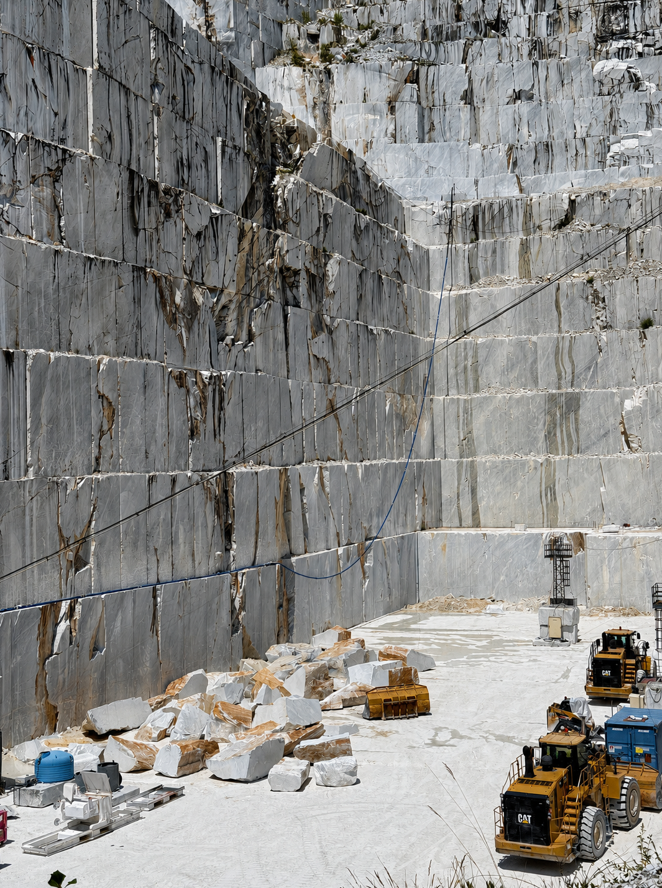
The marble quarrying districts lie in the mountains behind the city, with the principal areas including Colonnata, Fantiscritti and Torano. The landscape is unlike anything normally found in the mountains: sheer cut faces, vast working areas, tunnels, service roads and enormous blocks of marble dominate the scenery.
Along the road to Fantiscritti, you will also pass the Ponti di Vara, a series of large viaducts built for the former Marble Railway, once used to transport marble from the quarries down to the plain.
They are among the most recognisable sights in the area and are well worth a brief stop. However, remain aware of heavy quarry traffic and only stop in designated areas.
It is important to remember that the quarries are active workplaces. They cannot be explored freely, and you should never venture along unauthorised roads or through restricted entrances.
The easiest way to see the extraction sites is to book a guided tour. Several local operators offer excursions by 4x4, minivan or other vehicles suitable for the quarry roads. Some tours remain outside, while others allow visitors to enter authorised extraction areas or tunnels.
Prices, duration and departure points vary depending on the operator. Before booking, check exactly what the tour includes, whether there are any sections to be completed on foot and whether the experience is suitable for children.
Closed shoes, practical clothing and sunglasses are recommended, as the glare reflected by the white marble can be extremely bright.
One possible stop is the Fantiscritti Quarry Museum, which explores the history of marble extraction and the working conditions experienced by quarrymen. It is a useful visit for understanding that marble is not merely an artistic material, but the result of complex and physically demanding work.
Another interesting site is Fossacava, an ancient quarry dating back to Roman times. Access and guided visits depend on the seasonal calendar and opening arrangements, so check availability before setting off.
Colonnata and Its Most Famous Delicacy
After visiting the quarries, continue through the marble basin towards Colonnata. Given the village’s small size, it can easily be explored on foot. Its centre is characterised by stone houses, small squares, fountains and businesses specialising in the production of lardo.
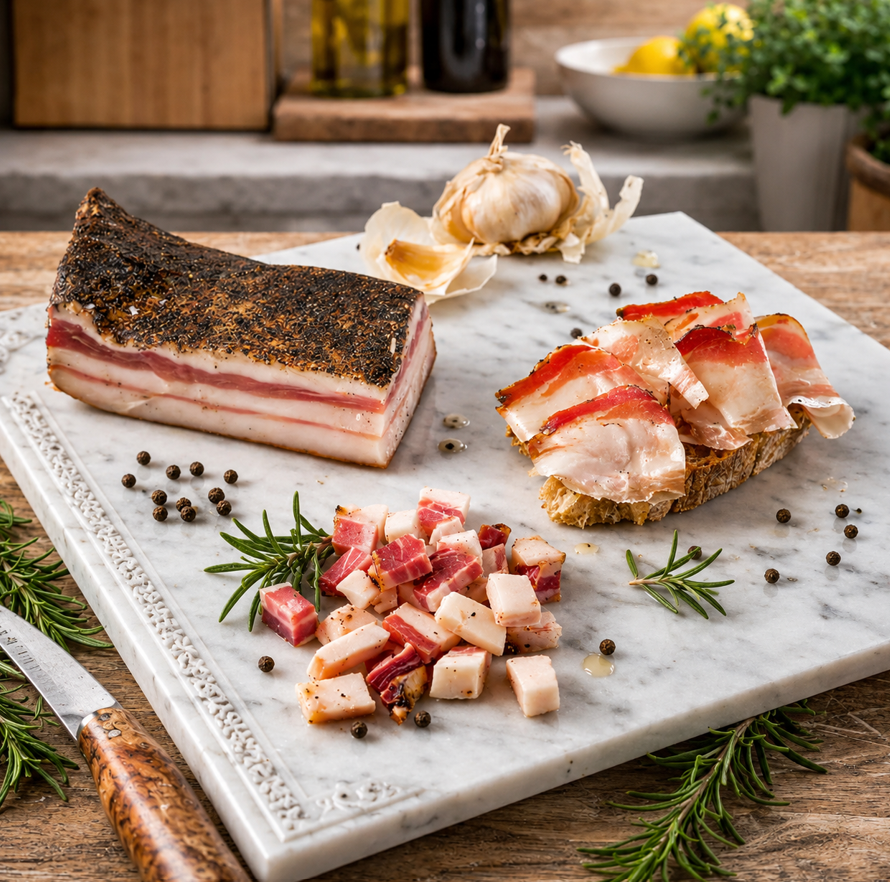
Lardo di Colonnata PGI is matured inside marble basins with salt, aromatic herbs and spices. It is normally served in very thin slices, often on warm bread or crostini.
A visit to Colonnata would hardly be complete without stopping at one of its traditional larderie. Many offer tastings, sandwiches and sharing platters, as well as packaged products to take home. Just make sure you follow the recommended storage instructions.
The village is not merely a food destination. Its relationship with the quarries is visible throughout the area, and several monuments and historical displays are dedicated to the quarry workers.
Including both Colonnata and the Carrara quarries in the same itinerary is the most practical option, as together they reveal both the industrial and gastronomic sides of the region.
At weekends and during the busiest periods, finding a parking space near the village centre can be difficult. Follow the signs, use the designated parking areas and never leave your car on roads used by quarry vehicles.
A Final Stop in Marina di Carrara
Before leaving, head down towards Marina di Carrara. The resort has sandy beaches, a seafront promenade, beach clubs and a port that has played an important role in the transportation and export of marble.
In summer, you can add a few hours on the beach. During the rest of the year, a short walk along the seafront is enough to end the trip without adding another demanding visit to the itinerary.
Marina di Carrara also provides easy access to the motorway and the main coastal roads, making it a convenient final stop before travelling home.
Extra Options: The Medieval Village of Fosdinovo and Hiking in the Apuan Alps
Should you have time for one last detour inland, you can visit the village of Fosdinovo, in the historic Lunigiana region. Located around half an hour by car from the coast, it is one of the best-preserved medieval settlements in the area.
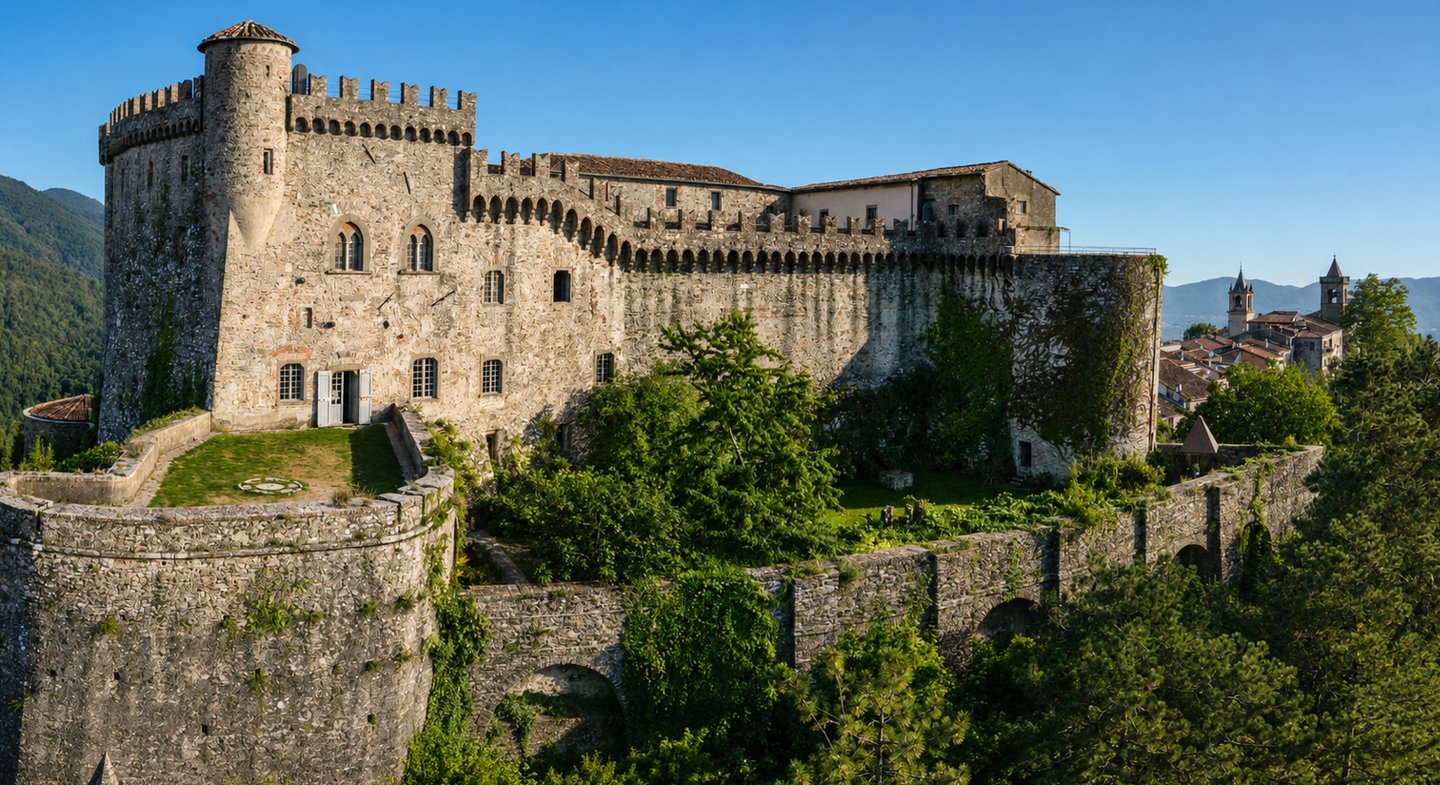
Its main landmark is Fosdinovo’s Malaspina Castle, one of the best-preserved fortresses in Tuscany. Guided tours take visitors through its furnished rooms, towers and wall walks.
The village also offers excellent views across the Magra Valley and towards the Gulf of La Spezia.
Alternatively, those who prefer hiking can explore the extensive network of trails within the Apuan Alps Regional Park. One of the most popular routes is the Via Vandelli from Resceto, an ancient 18th-century trading road characterised by a series of stone-paved hairpin bends.
The Best Time to Visit Massa and Carrara
Spring is one of the easiest and most enjoyable times to visit. Temperatures are generally mild, making it possible to walk comfortably both in the cities and in the mountains.
Summer is ideal for anyone wishing to include some time by the sea. Bear in mind, however, that the coast will be busier, temperatures will be higher and there will be more tourists.
September and October are good months for combining cultural visits, local food and walking. The days begin to grow shorter, but the weather can still be very pleasant.
The quarry landscape remains fascinating in winter, although some tourist attractions may operate reduced opening hours. It is also important to check road conditions during periods of heavy rain or particularly cold weather.
Plan Your Trip with Us
Did this guide help you plan your next weekend away? Do not stop here: sign up for our newsletter to receive fresh travel inspiration and carefully selected tips directly in your inbox.
You can also follow us on Instagram, Facebook and TikTok, where we share videos, updates and practical content to help you organise your next adventure.
A Tailor-Made Experience: A Quarry Tour with a Tasting
For anyone who would rather visit the quarries without having to organise every detail, GetYourGuide offers a guided tour of the Carrara marble quarries that includes a tasting of Lardo di Colonnata.
The experience provides a closer look at the work carried out in the extraction areas and ends with a tasting of one of the region’s best-known specialities.
You can check availability, departure times and booking conditions directly on GetYourGuide by downloading the app using the following link.
By downloading the app and entering the promotional code ZAINOINDUE5, you can also receive a 5% discount on this experience and all other available activities.
Street Art at High Altitude: Kobra’s David
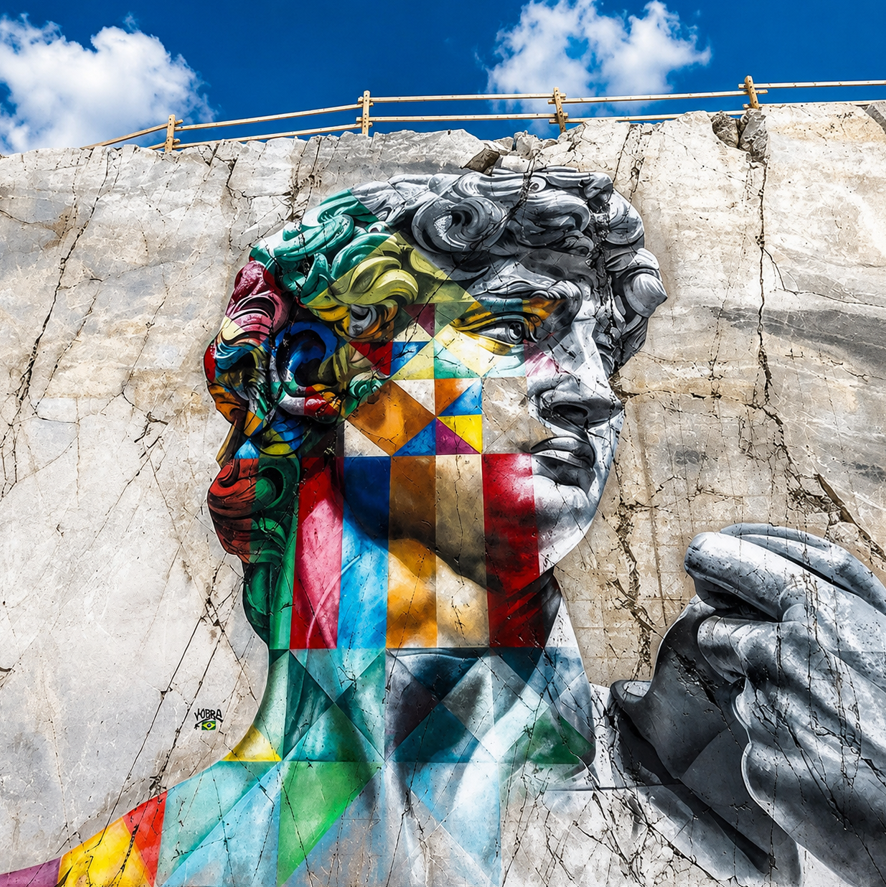
During an excursion through the marble basins, your attention will inevitably be drawn to an unexpected burst of colour on the face of Cima di Cava Gioia, in the Cava Gualtiero Corsi and Fantiscritti area, at the heart of the Apuan Alps.
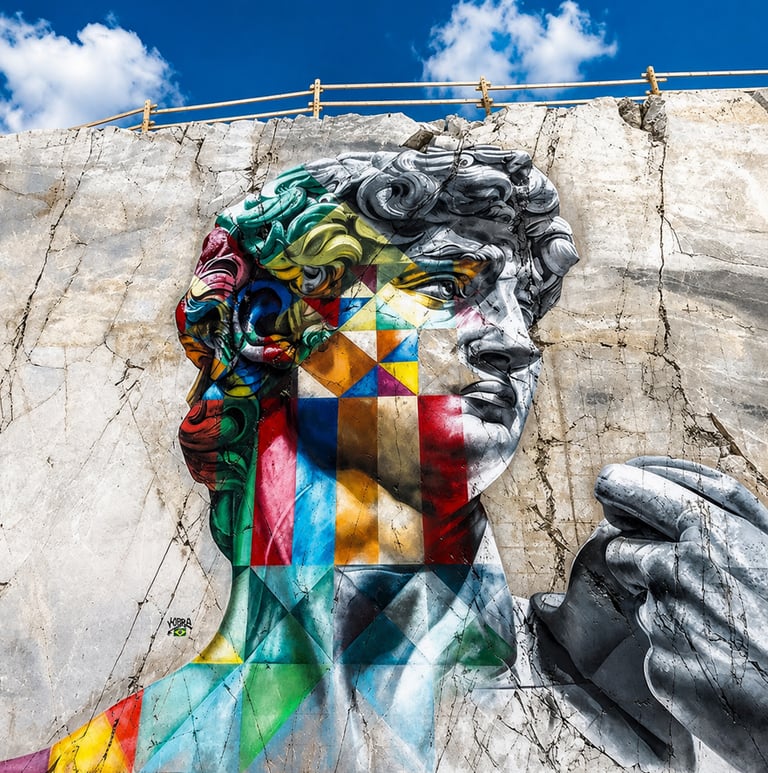
High on the wall of the Venedretta quarry stands the painted David, also known as David Looking at the Moon, a work by the internationally renowned street artist Eduardo Kobra.
Measuring more than ten metres on each side, the artwork reproduces the face of Michelangelo’s David, reinterpreted through the geometric patterns and intensely saturated colours that characterise the Brazilian artist’s work.
Created in 2017, the enormous mural can even be seen from the valley below. It has become one of the most photographed landmarks in the entire area, creating a striking connection between classical sculpture and contemporary pop culture.
The artwork can be reached in approximately 50 minutes on foot along several hiking trails departing from Colonnata, Vergheto, Bedizzano and Casette.
Let us know what you think
Leave a comment
Social Link
Follow us on our social channels
Instagram, Facebook e TikTok
ContaCTS
Newsletter
© Copyright 2026 - Zaino in Due