

Sleep Tourism: the new frontier of travel, with “Sleep” as the destination
Sleep Tourism is the emerging trend reshaping the way we travel: from wellness to sleep quality, discover why more and more travellers are choosing destinations where they can sleep well, recharge mind and body, and turn rest into a truly unique travel experience.
NEWS
Rebecca P. & Raffaele F.
1/31/20263 min read
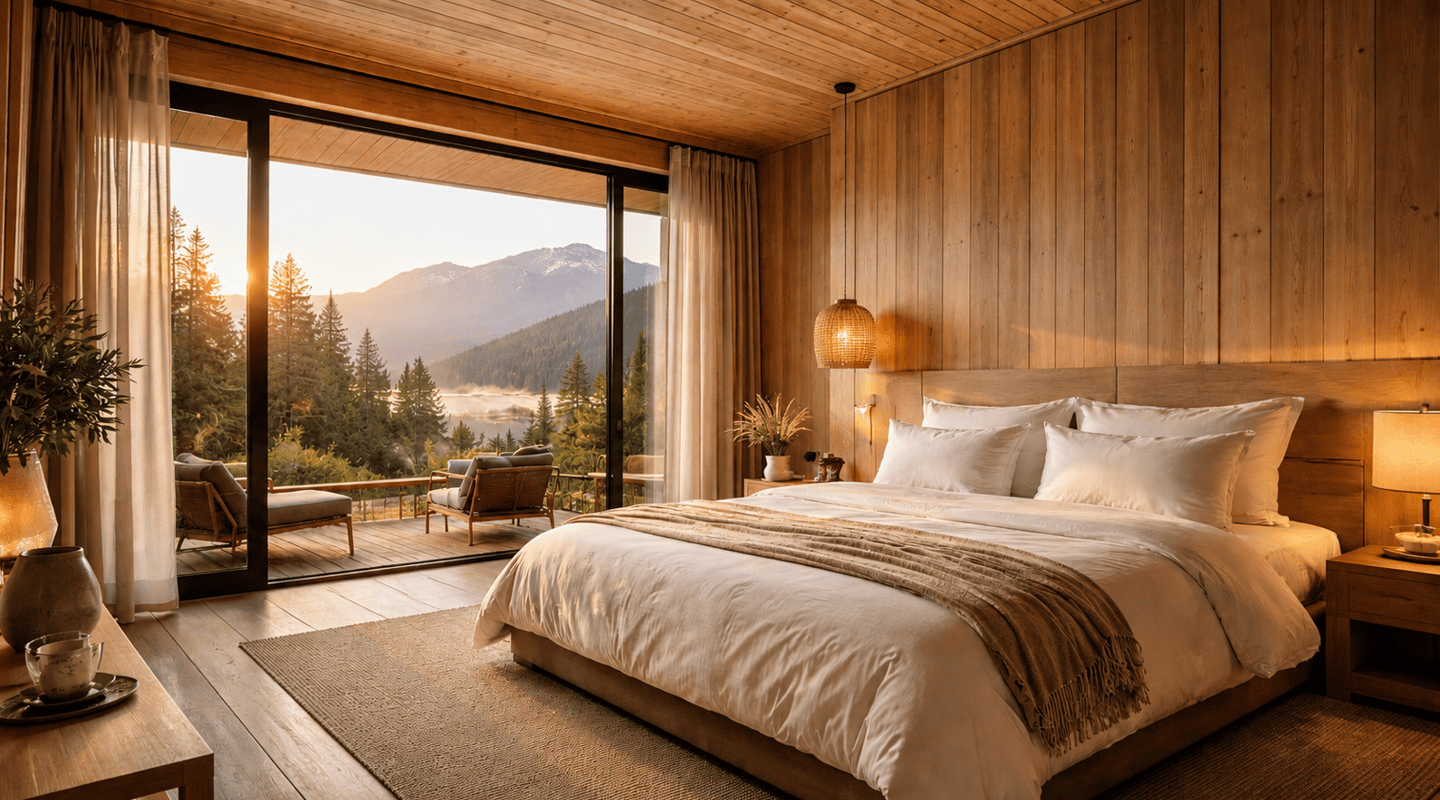
Travel is no longer just about exploring cities, beaches or cultures: today, the destination can be… sleep itself. The phenomenon of Sleep Tourism — or sleep travel — is emerging as a brand-new frontier in the travel world, where the goal is not only to discover new places, but to sleep better, for longer, and in a more restorative way.
What is Sleep Tourism?
Sleep Tourism is a form of travel in which a good night’s rest becomes the heart of the travel experience. It is not simply about staying in a hotel with comfortable beds, but about stays, packages and programmes scientifically designed to improve travellers’ sleep quality.
This phenomenon includes a wide range of offerings, from fully soundproofed rooms to sleep therapies guided by professionals, as well as mindfulness sessions, meditation, aromatherapy, smart beds and sleep-tracking programmes.
Why is it growing so quickly?
In recent years, society has begun to understand that sleep is not a “luxury”, but an essential pillar of physical and mental health. The COVID-19 pandemic accelerated this shift in perspective: with increasingly hectic lifestyles and greater awareness of personal wellbeing, many people have realised how difficult it can be to sleep well — and how negatively this lack of rest can affect overall health.
According to research by Skyscanner, around 24% of Italian travellers — and, more broadly, international travellers — consider sleep a key reason for choosing a holiday.
The sleep tourism market
This is not just an interesting idea, but a rapidly growing economic sector.
According to a report by Grand View Research, the global Sleep Tourism market could reach approximately 148.98 billion dollars by 2030, with an estimated compound annual growth rate (CAGR) of over 12% between 2025 and 2030.
This expansion reflects not only rising demand from travellers, but also the growing number of accommodation providers and travel operators investing in services, technologies and specialised staff to offer true sleep-focused experiences.
Sleep-oriented experiences: from luxury to science
Sleep Tourism is not a single, fixed concept, but a collection of experiences that can be interpreted in different ways depending on the destination and the type of traveller.
Hotels and resorts with a focus on sleep
Many high-end properties are turning rest into a personalised luxury experience. Examples include:
Personalised pillow menus, allowing guests to choose the type of pillow best suited to their posture.
Soundproofed rooms, with temperature control, circadian lighting and total insulation from external noise.
Aromatherapy programmes and relaxing bedtime routines.
High-tech solutions, such as smart beds that monitor and automatically adjust comfort and breathing.
In some cases, dedicated packages also include small wellbeing rituals, calming herbal teas, pre-sleep massages and guided meditation sessions.
Science-backed programmes
More and more accommodation providers are also including sleep analysis and specialist consultations in their packages.
Across a wide range of offerings, in addition to “basic” services, guests can also access:
Sleep quality monitoring through wearable devices.
Consultations with sleep professionals and psychologists.
Workshops on how to improve rest-related habits.
It is not just about sleeping, but also about wellbeing education, with practical advice to help guests continue improving their sleep even after returning home.
Sleep Tourism in nature
For some travellers, perfect rest is found far from urban chaos, surrounded by nature. In countries such as Sweden, destinations dedicated to Sleep Tourism include isolated cabins, often without television or radio signals, designed to ensure deep rest away from artificial light and city noise.
In the mountains, in forests or in the quietest corners of nature, many properties offer packages combining meditative walks, conscious breathing and natural surroundings, helping the body better synchronise its circadian rhythms with the external environment.
Sleep as a pillar of health
It is no coincidence that Sleep Tourism has such strong appeal: sleep is scientifically recognised as one of the most important aspects of health. Sleeping well supports the immune system, regulates metabolism, reduces inflammation and benefits cognitive functions and mood.
According to studies published in scientific journals, sleep is often underestimated in the context of travel as a component of the tourist experience — and yet it is essential for restoring energy and supporting overall wellbeing.
But what does the sleep tourist look like?
The profile ranges from stressed professionals seeking a restorative break to mindful travellers interested in wellbeing and health routines, from lovers of wellness trends ready to try new experiences to people struggling with sleep who are looking for practical, science-based solutions.
This trend, therefore, goes beyond a simple passing fad: it is a response to a real demand for better health and quality of life, which is increasingly reflected in travel choices.
What if the real journey began with sleep?
Sleep Tourism is redefining the concept of a holiday: no longer only exploration, adventure or culture, but a return to primary wellbeing through rest.
Thanks to dedicated properties, scientifically designed programmes and growing global demand, this trend promises to become one of the most influential in the world of travel wellness.
And you — would you be willing to travel just to sleep well? Follow us on our Instagram, Facebook and TikTok profiles and let us know!
Don’t forget to subscribe to the newsletter to make sure you never miss our travel tips and stay up to date with the latest trends in modern travel.
Let us know what you think
Leave a comment
Social Link
Follow us on our social channels
Instagram, Facebook e TikTok
ContaCTS
Newsletter
© Copyright 2026 - Zaino in Due