
Vienna in 72 Hours: Discover the Itinerary That Will Make You Fall in Love with the Austrian Capital and Its Baroque Wonders
A 72-hour itinerary in Vienna, taking in imperial palaces, Baroque wonders, iconic museums and foodie gems. Discover what to see, what to do and how to save with the best-value passes to make the most of the Austrian capital.
VIAGGI | TRAVELS
Rebecca P. & Raffaele F.
12/5/20259 min read
Vienna is a city to experience with all your senses: your eyes wander across gilded stuccoes, your nose follows the scent of Viennese coffee and some of Europe’s most famous cakes, and your ears are swept away by music echoing everywhere, from palaces to parks.
With 72 hours at your disposal, get ready for a weekend that blends imperial history, creative modernity and little gems that only those who truly know the city can point you towards.
In this guide, you’ll find a detailed day-by-day itinerary, practical tips, foodie recommendations, information on the best-value passes — such as the Vienna City Card — and a selection of iconic places you simply cannot miss while exploring the Austrian capital.
You’ll also find links to tours you can book straight away via GetYourGuide, making your trip easy and well organised.
72 Hours in Vienna: A Complete Long-Weekend Itinerary Through Imperial Palaces, Art and Hidden Wonders
DAY 1 — THE IMPERIAL HEART OF VIENNA
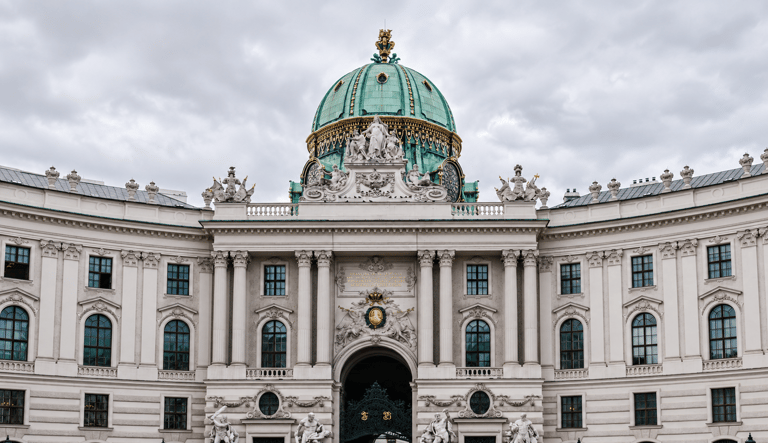
1. Hofburg Palace
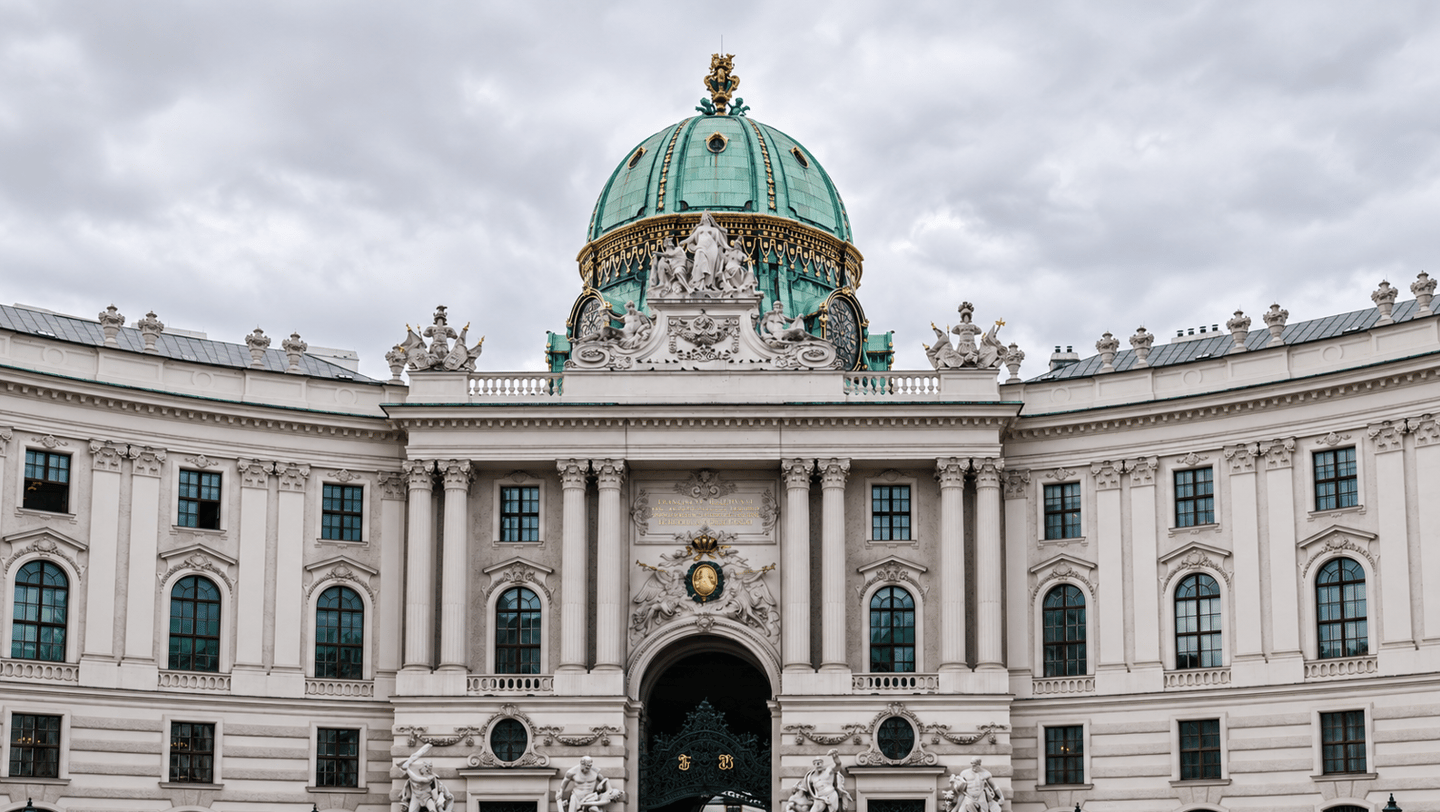
Your first stop has to be the Hofburg, the winter residence of the Habsburgs. This vast complex offers a complete immersion into life at the imperial court: Rococo-style rooms, precious collections and the famous Sisi Museum.
Tip: allow at least two hours for your visit. By purchasing the Vienna City Card in advance, you can benefit from useful discounts on tickets and public transport.
To avoid queues and enjoy a stress-free visit, book the “Skip-the-Line” tour of the Hofburg, Sisi Museum and gardens.
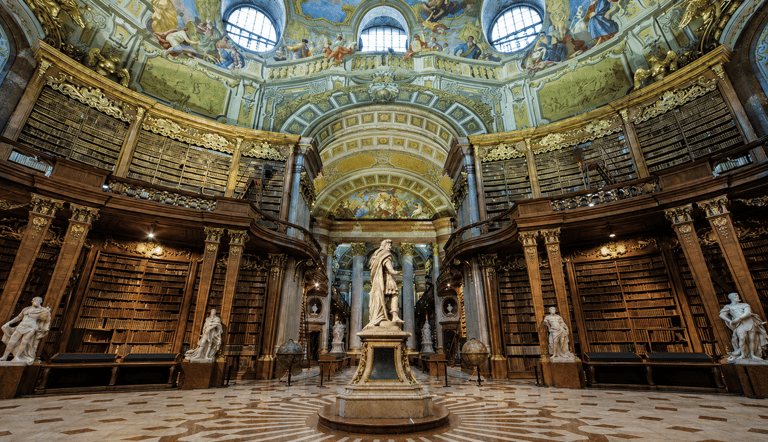
2. State Hall of the Austrian National Library
Just a few steps from the Hofburg, you’ll find one of the most beautiful libraries in the world: the Prunksaal, the magnificent State Hall of the Austrian National Library. Frescoed ceilings, dark wooden shelves and an atmosphere that feels straight out of a historical novel.
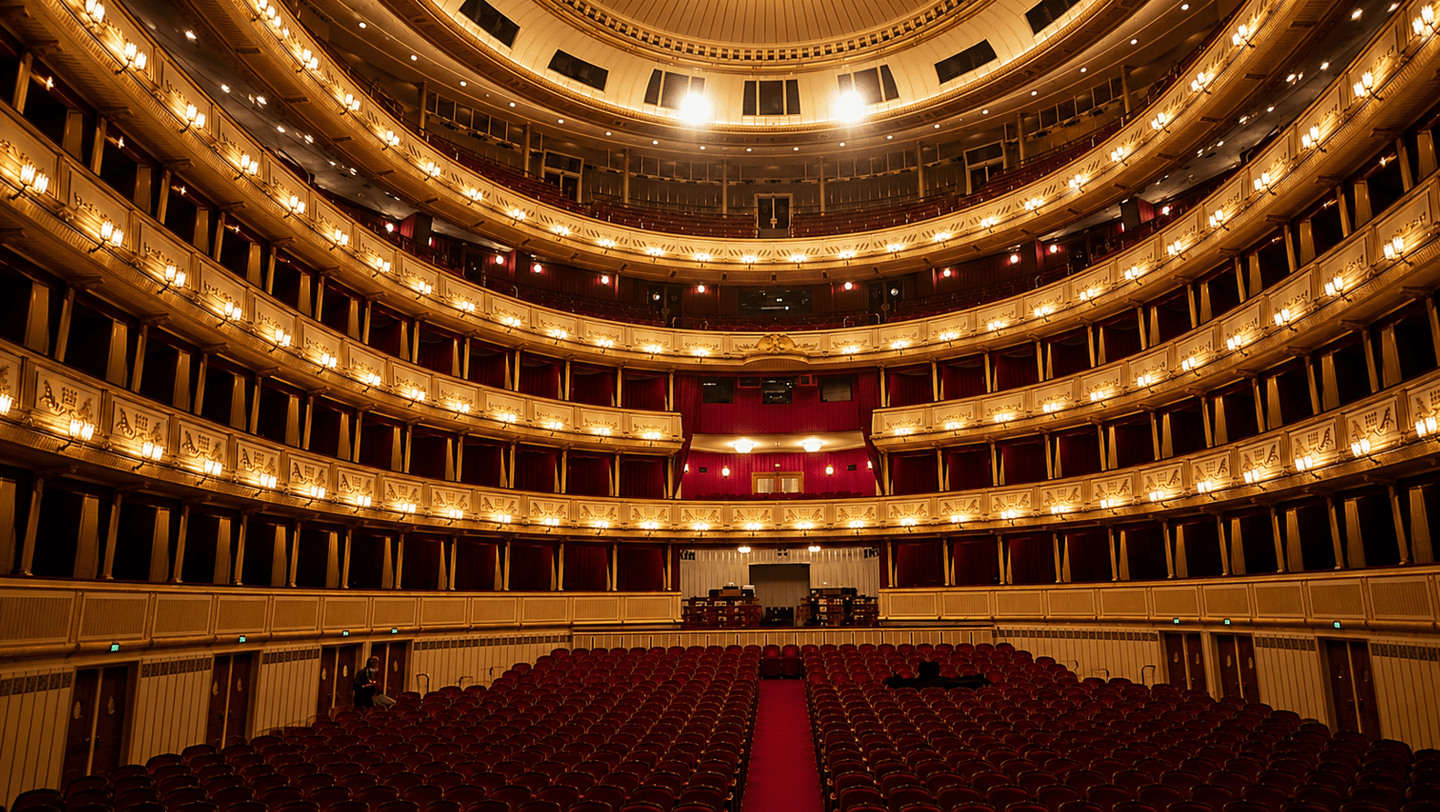
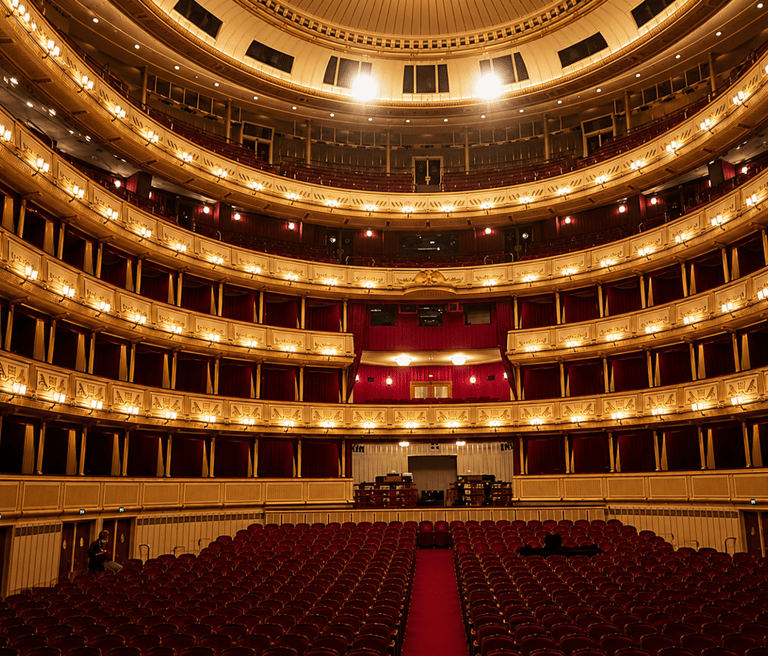
3. Vienna State Opera
A symbol of the city, the Wiener Staatsoper is an unmissable stop.
If you’re a true music lover, you simply cannot miss the chance to enjoy a lavish concert featuring Mozart’s most beautiful classics, performed by outstanding musicians and soloists in traditional Baroque costumes.
Tickets sell out incredibly fast!
Should you not manage to get a ticket for a performance, consider booking a guided behind-the-scenes tour of one of the most prestigious theatres in the world.
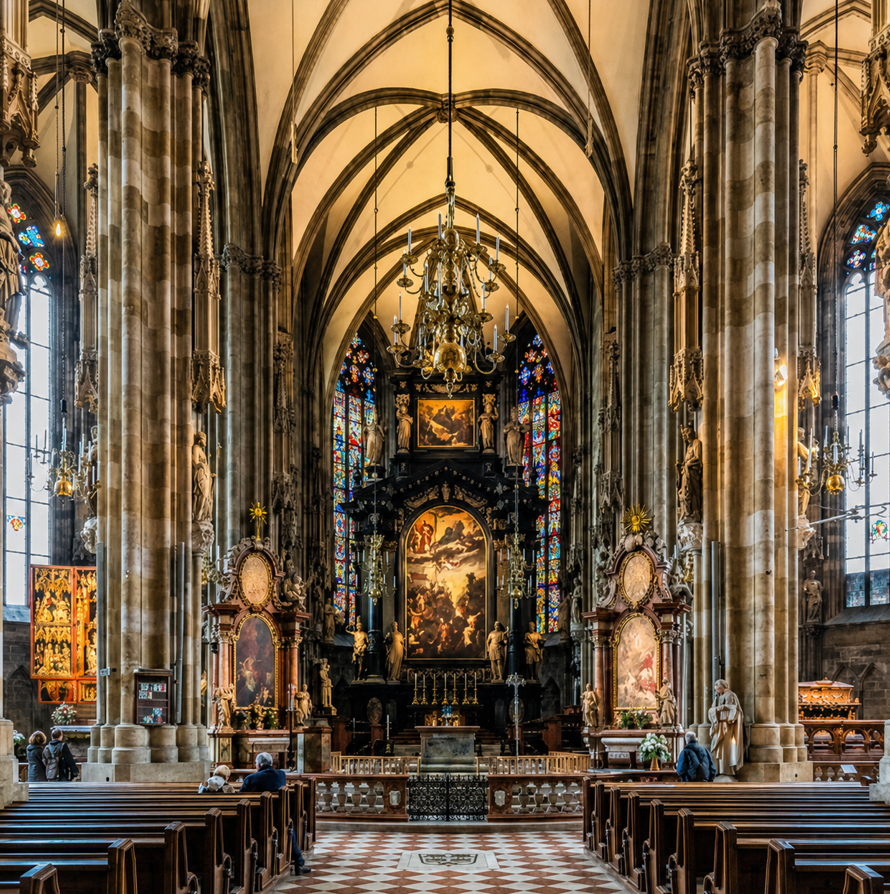
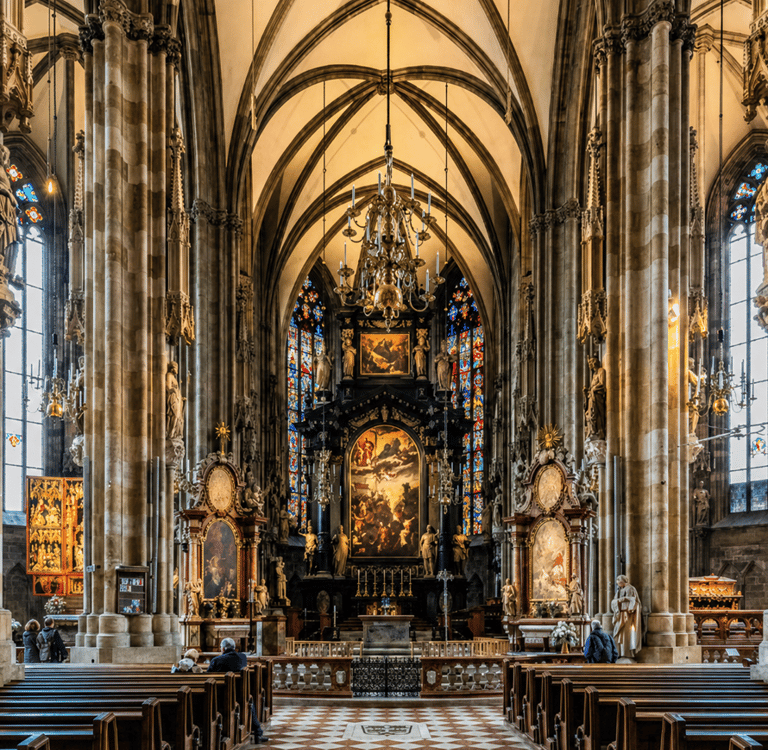
4. St Stephen’s Cathedral
An icon of the historic centre, Stephansdom is a Gothic masterpiece, instantly recognisable thanks to its famous colourful zig-zag roof. Climbing to the top of the south tower is worth every step: the view over the city’s rooftops is priceless.
The cathedral’s distinctive architecture is also a masterpiece of acoustic engineering: here too, with advance booking, you can attend wonderful classical music concerts.
Suggestion: if you visit Vienna in winter, sunset from the south tower is magical.
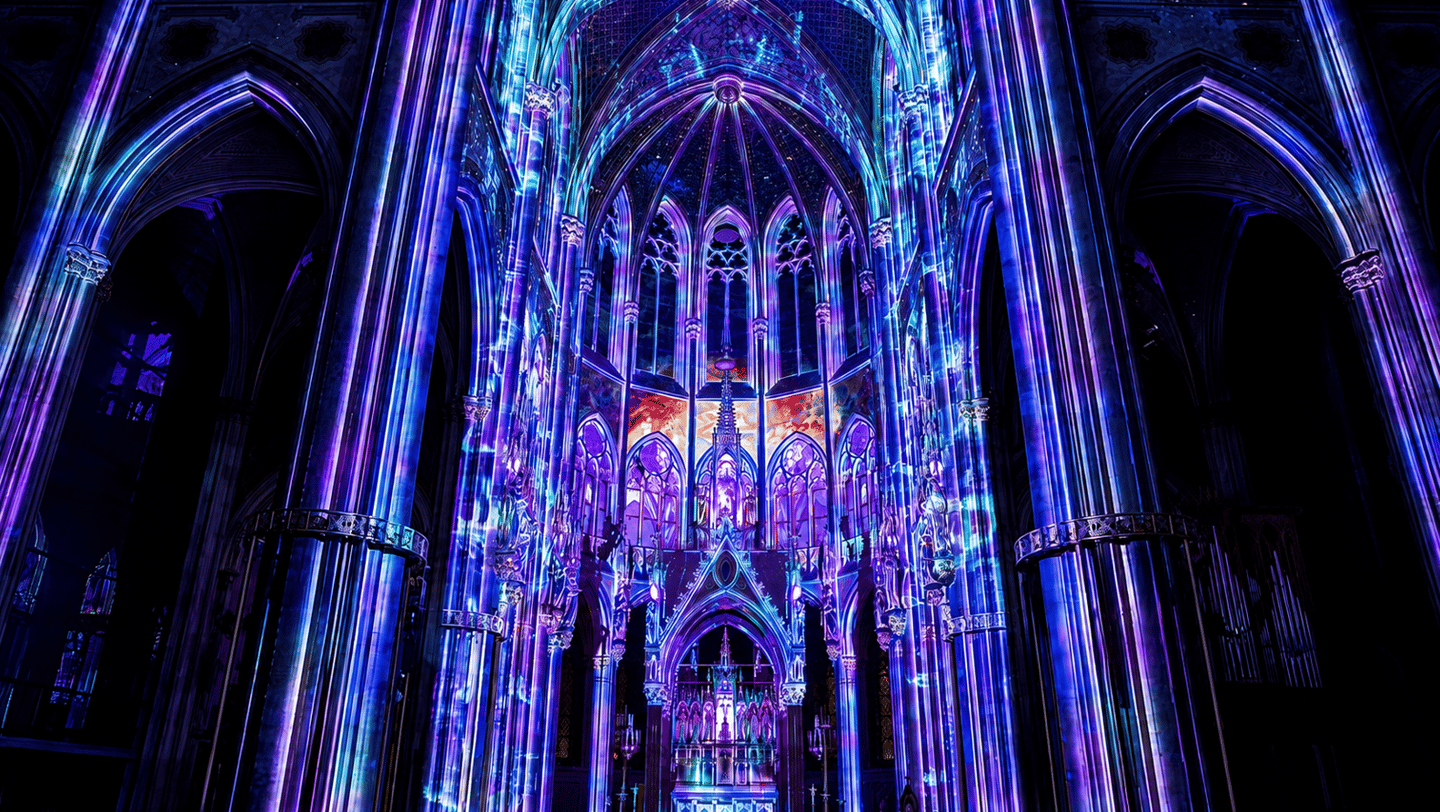
5. Votivkirche
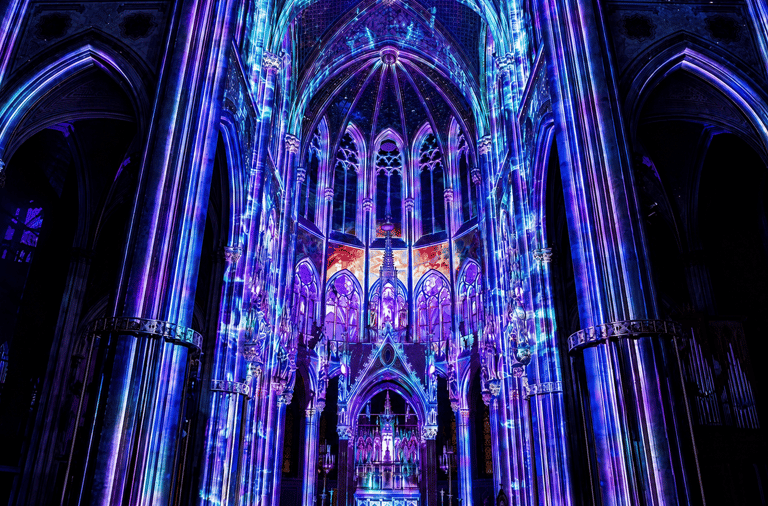
Just a few minutes from Stephansdom, you’ll find the Votivkirche, one of the most impressive Neo-Gothic churches in Europe. Its twin spires, bright interiors and colourful stained-glass windows make it one of the city’s less touristy yet most spectacular churches. Perfect for photography and for discovering a different side of Viennese architecture.
A completely different visual experience, and one you absolutely shouldn’t miss, is "Light of Creation": a 30-minute immersive light show inspired by Genesis. It is a multisensory experience in which light projections envelop the vaults and columns, while music accompanies the visual evolution, creating an overall effect often described as “magical”, “hypnotic” and “transcendental”.
6. Karlsplatz and St Charles Church
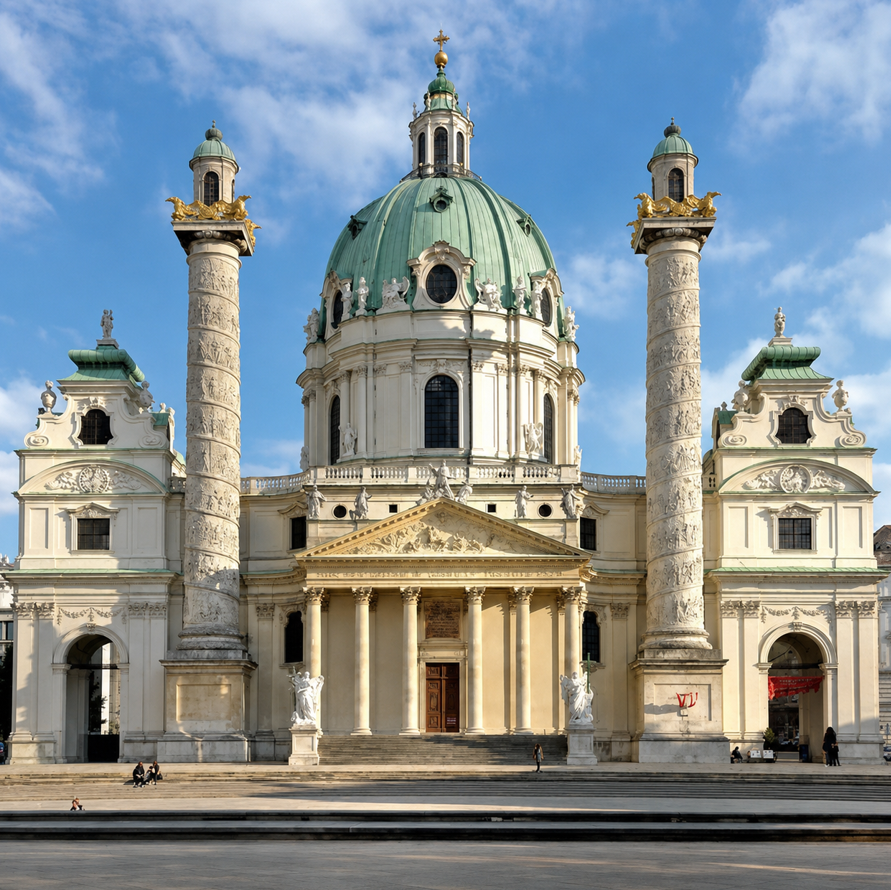
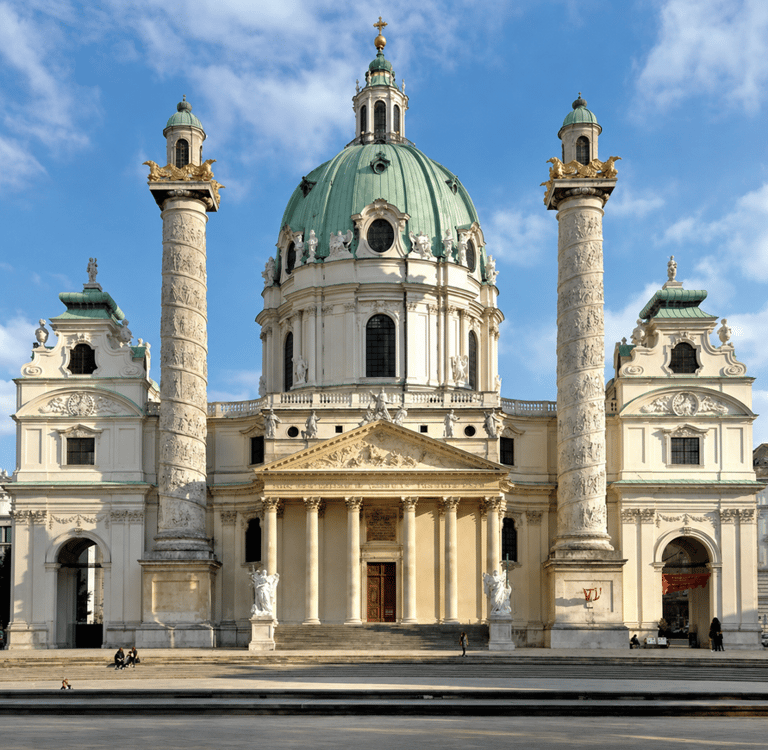
Around a 10-minute walk away lies Karlsplatz, one of the city’s most atmospheric squares, dominated by the spectacular Karlskirche, a Baroque church with an aqua-green dome.
The entrance ticket to St Charles Church includes access to the panoramic terrace, reached via an internal lift up to the frescoes.
Finally, if you’re looking for an intensely emotional experience, we recommend the Vivaldi Four Seasons Concert: an experience not to be missed.
DAY 2 — PALACES, ART AND ICONIC ARCHITECTURE
1. Schönbrunn Palace
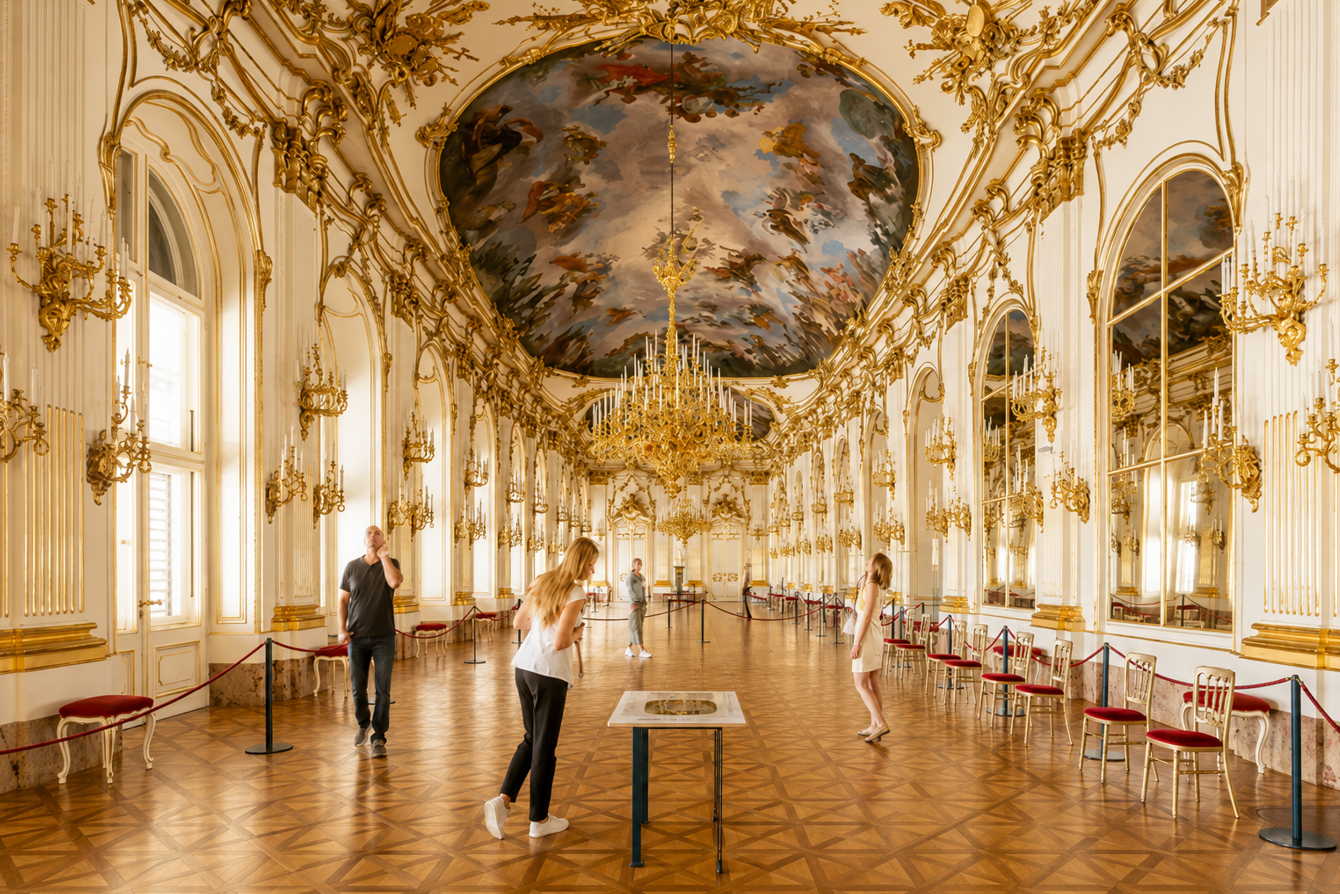
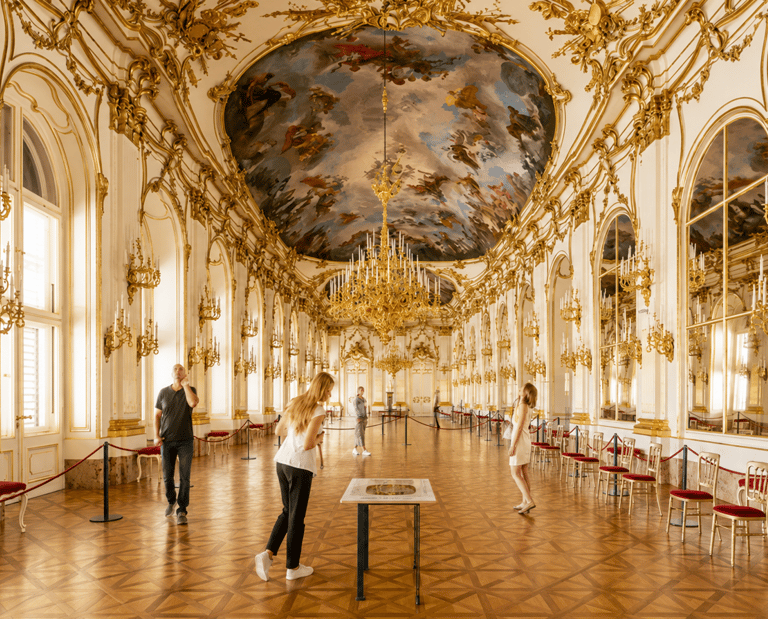
Schönbrunn Palace is one of the most iconic places in all of Austria. The summer residence of the imperial family, it enchants visitors with its 1,441 rooms and impeccably designed geometric gardens.
Practical tip: book your ticket online to skip the queue. Some versions of the Vienna City Card offer dedicated discounts.
To enjoy the unique experience of visiting at your own pace and without queuing, the Schönbrunn Palace and Gardens “skip-the-line” guided tour gives you priority entrance, a local guide and the chance to discover the rooms and their history all in one go.
Finally, if you’re a true dreamer looking for a truly atmospheric and unique experience, consider the chance to discover this majestic imperial residence exclusively after the official closing time.
2. Belvedere Palace
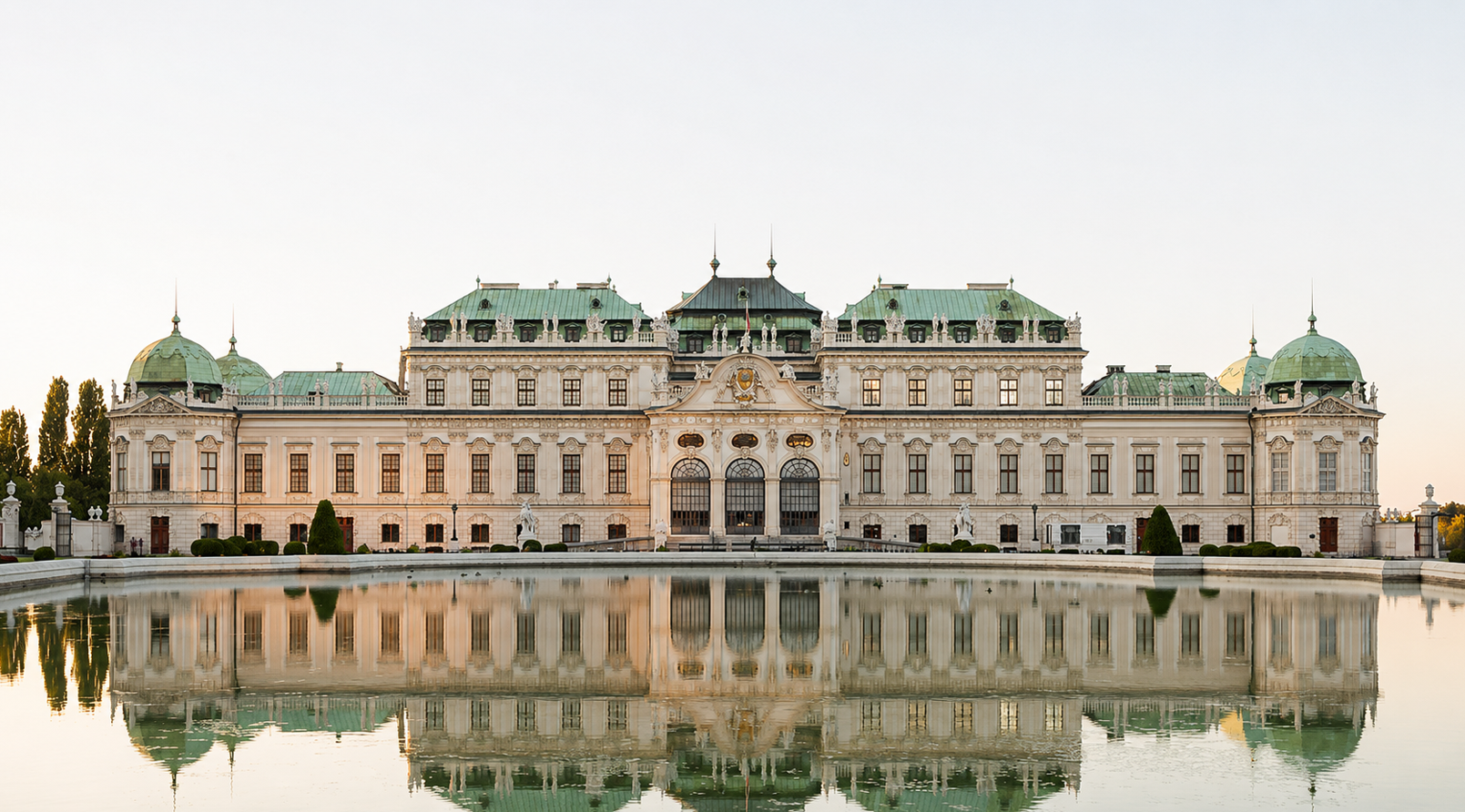
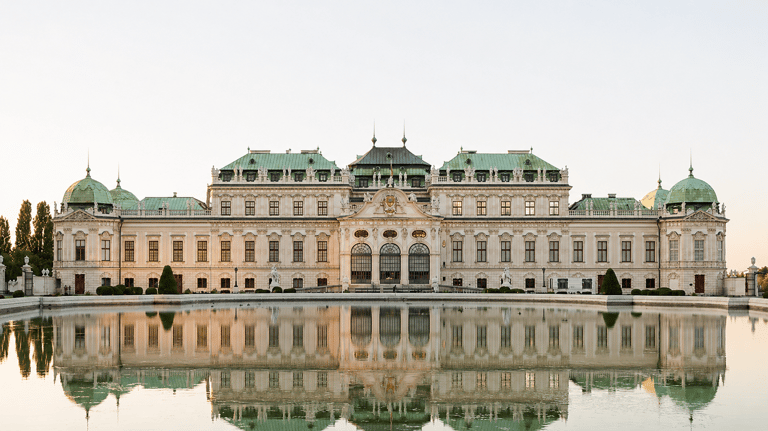
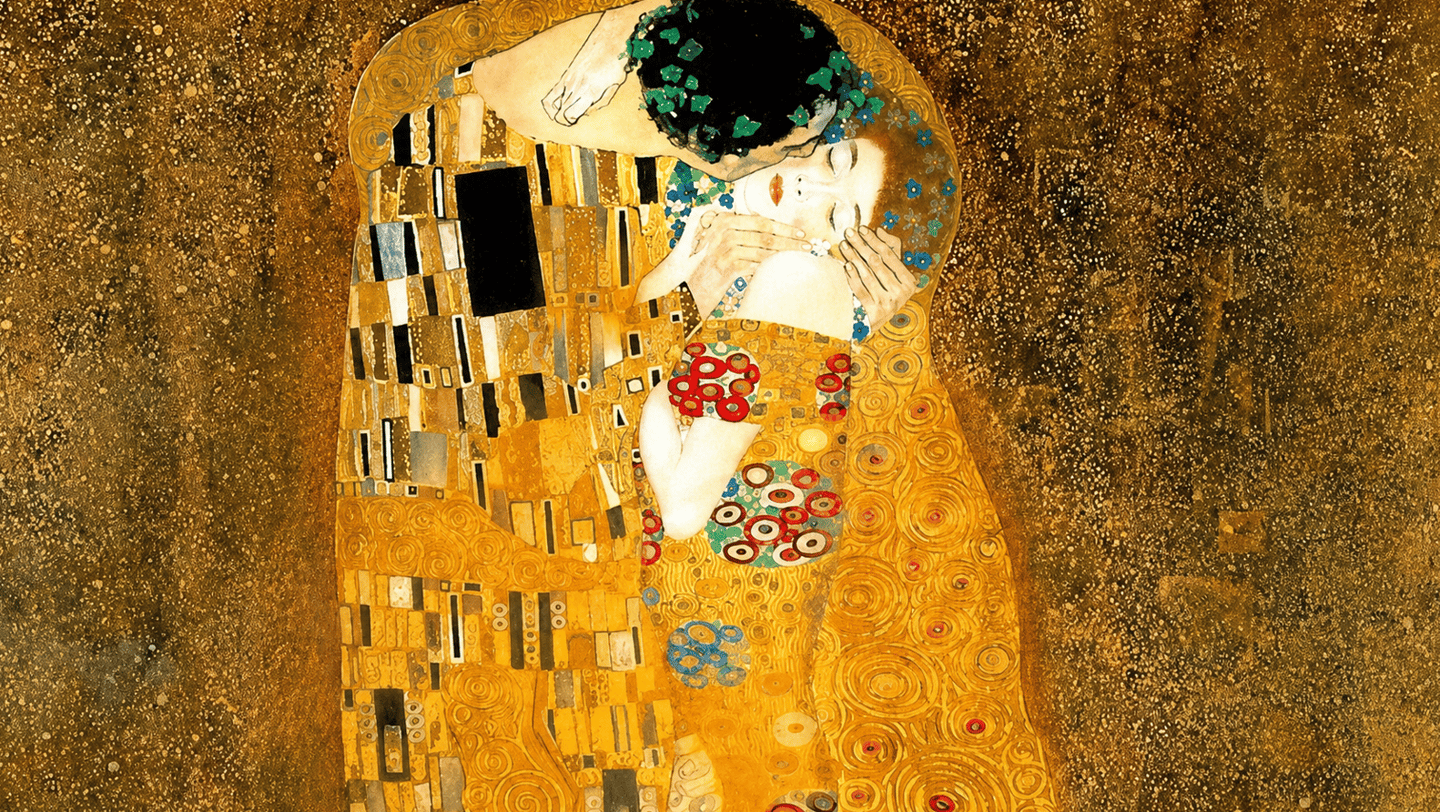
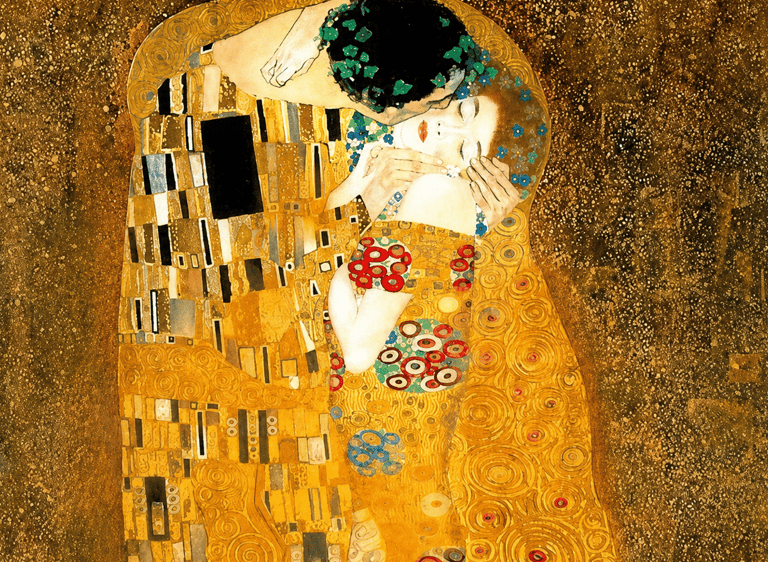
After Schönbrunn, head to Belvedere Palace, another Baroque gem divided into the Upper and Lower Belvedere. This is where you’ll find The Kiss by Klimt, one of the most famous paintings in the world.
The exteriors, with their water features and terraces, are already a spectacle in themselves.
The official guided tour with priority entrance to Vienna’s Belvedere Palace gives you the chance to discover the world-famous art collection, magnificent architecture and landscaped gardens of one of Vienna’s most iconic Baroque landmarks, a UNESCO World Heritage Site.
3. Hundertwasserhaus
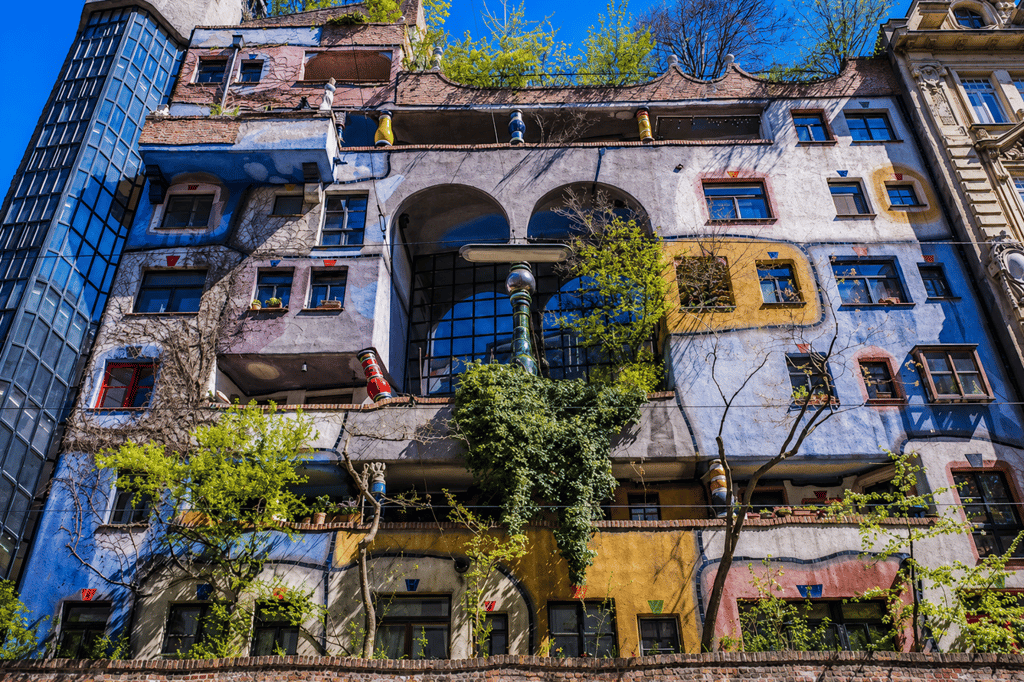
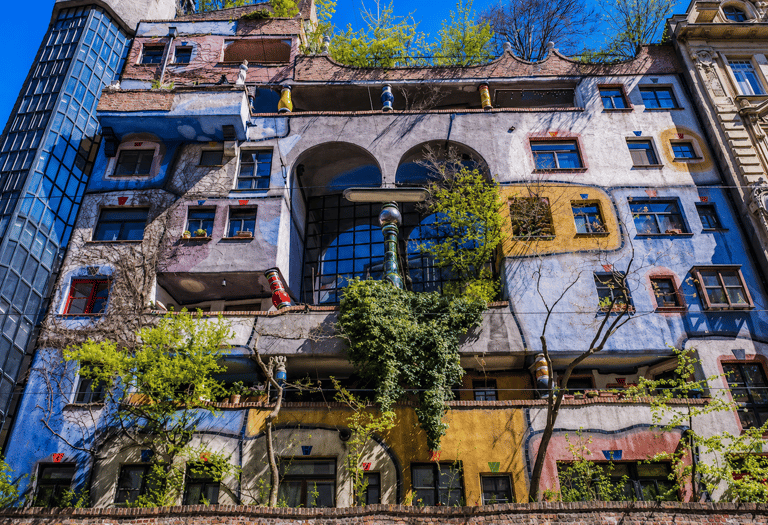
Moving on to the city’s more creative side, the Hundertwasserhaus is a truly unique building, with wavy lines, bright colours and windows that are all different from one another. A living work of art that breaks every rule, it is ideal for those who love creative architecture and alternative photography spots.
With an entrance ticket to the Hundertwasser Museum, you can learn more about the famous artist who shaped the museum’s philosophy and artistic principles, and who designed the architectural renovation of the building.
The visit ranges from the artist’s early picturesque visions to his practical creations, including building models and the museum itself.
4. Butterfly House
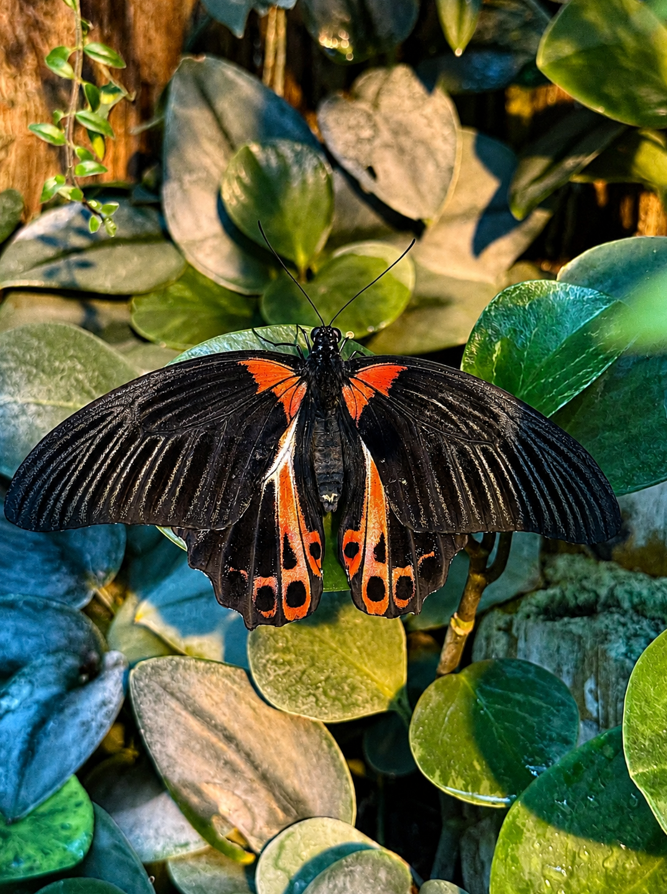
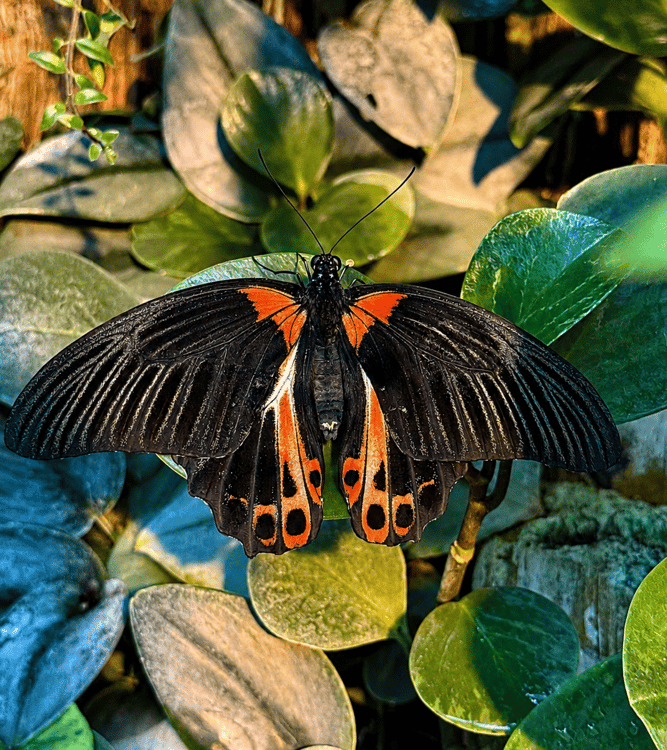
Not far from the centre, you’ll find one of the city’s most unusual places: the Schmetterlinghaus, a tropical greenhouse filled with colourful butterflies — a magical little corner for a relaxing and enjoyable break.
The warm, humid environment — around 26°C and 80% humidity — is ideal for allowing hundreds of exotic butterflies to fly freely among tropical plants, waterfalls, ponds and small bridges.
It is a sensory, relaxing experience and a great place for evocative photos or a peaceful pause away from the bustle of the city, especially if you’re travelling with friends, your partner or family.
5. Volksgarten
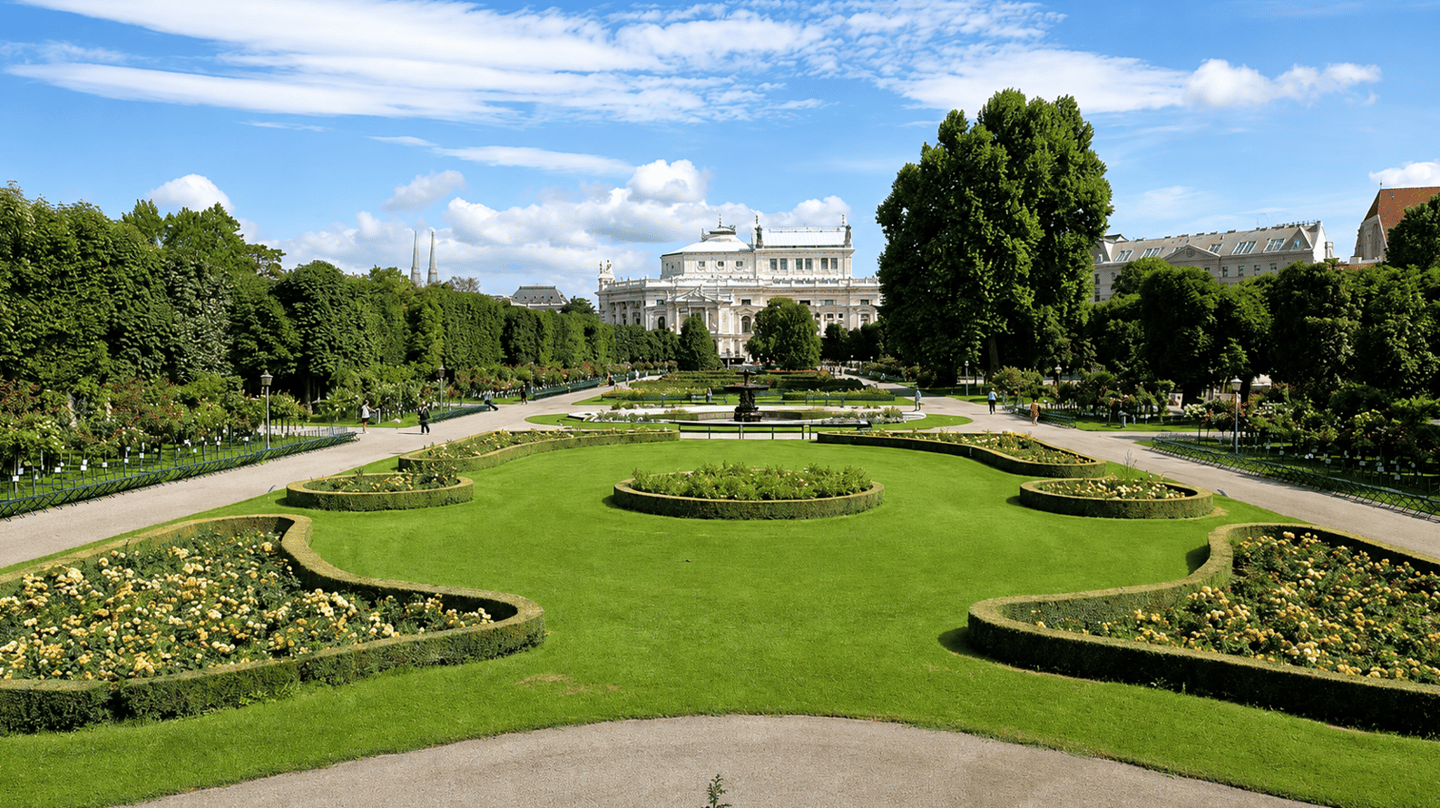
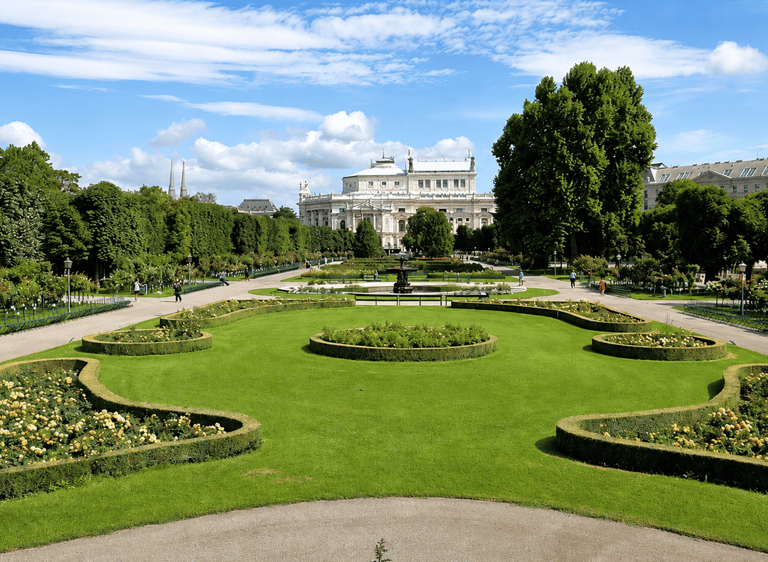
One of the city’s most elegant parks is undoubtedly the Volksgarten, best known for its spectacular rose garden, home to around 3,000 rose plants belonging to more than 400 different varieties. During the flowering season, in spring and summer, the park becomes an explosion of colours and scents.
Inside the park, you’ll also find an elegant white temple in Neoclassical style: the Theseus Temple, built in the early 19th century, adding a touch of history and romantic scenery to the green surroundings.
If the weather is good, it’s the perfect place for a break or for taking a few immersive photos.
DAY 3 — HISTORY, CASTLES AND A SPECIAL DAY TRIP
1. Freud Museum
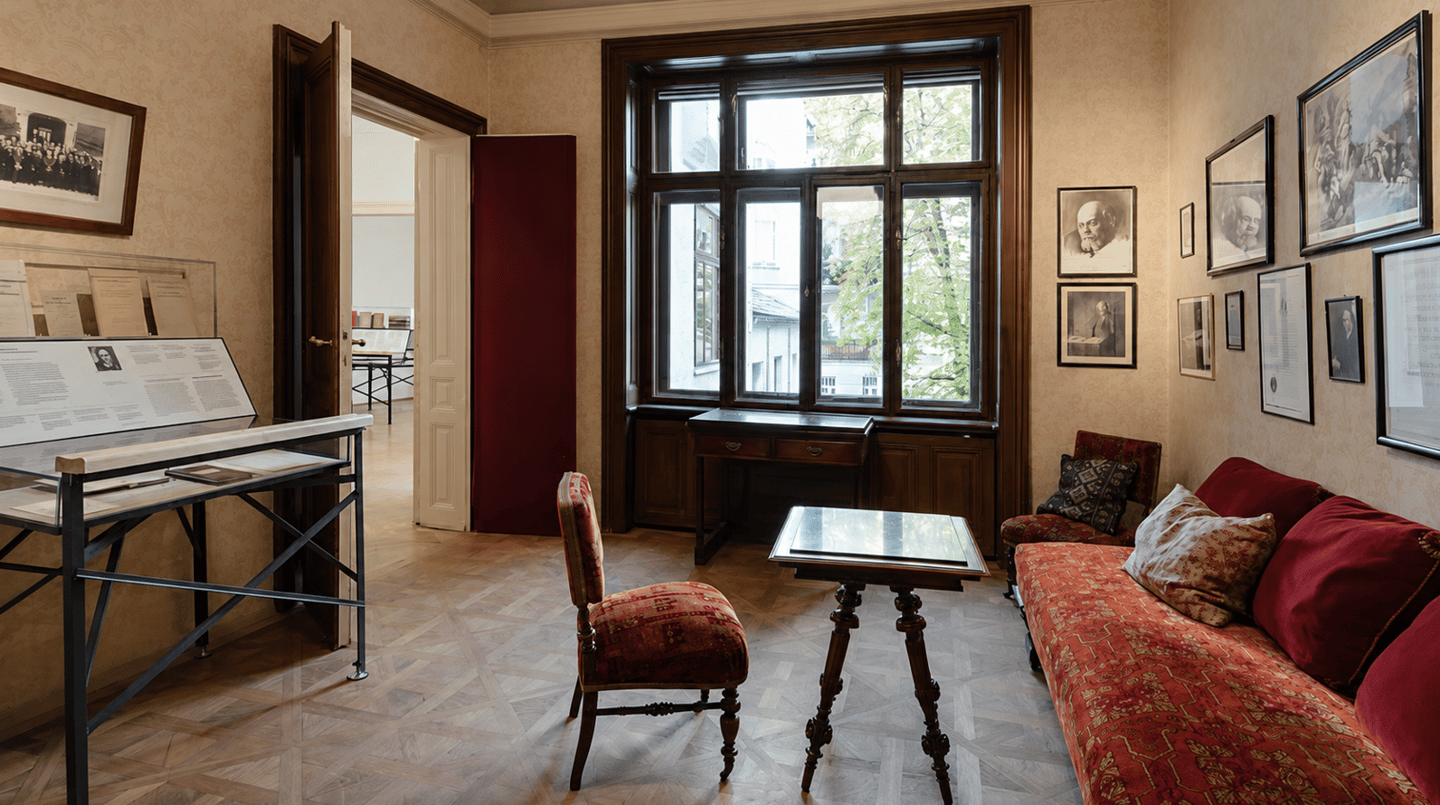
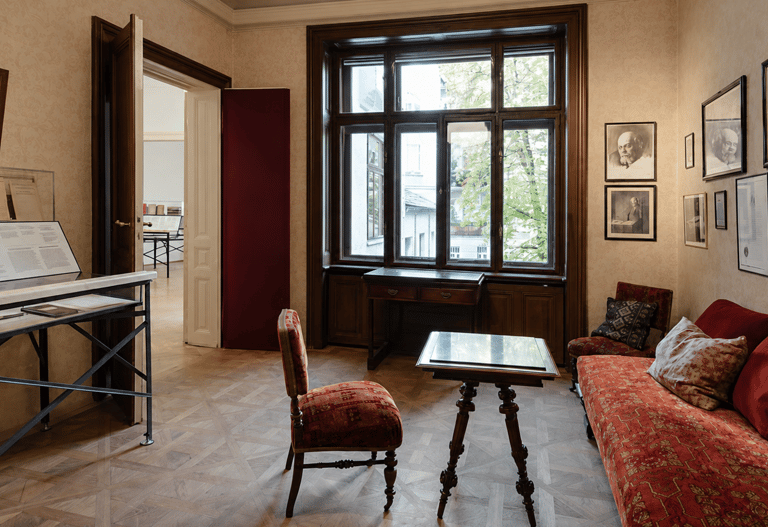
Start your day in the Alsergrund district, more precisely at Berggasse 19, one of Vienna’s most famous addresses, with a visit to the Sigmund Freud Museum.
The psychoanalyst lived and worked here for decades: photographs, instruments, letters and an exhibition route that brings to life a complex and fascinating figure.
Let yourself be surprised by the preserved original spaces, which reveal the authentic atmosphere of the birthplace of psychoanalysis, as well as the various exhibitions highlighting the professional milestones and biographical facets of Freud’s working and family life.
Book your skip-the-line ticket in advance for one of the most captivating and iconic places in all of Vienna.
2. Palace of Justice
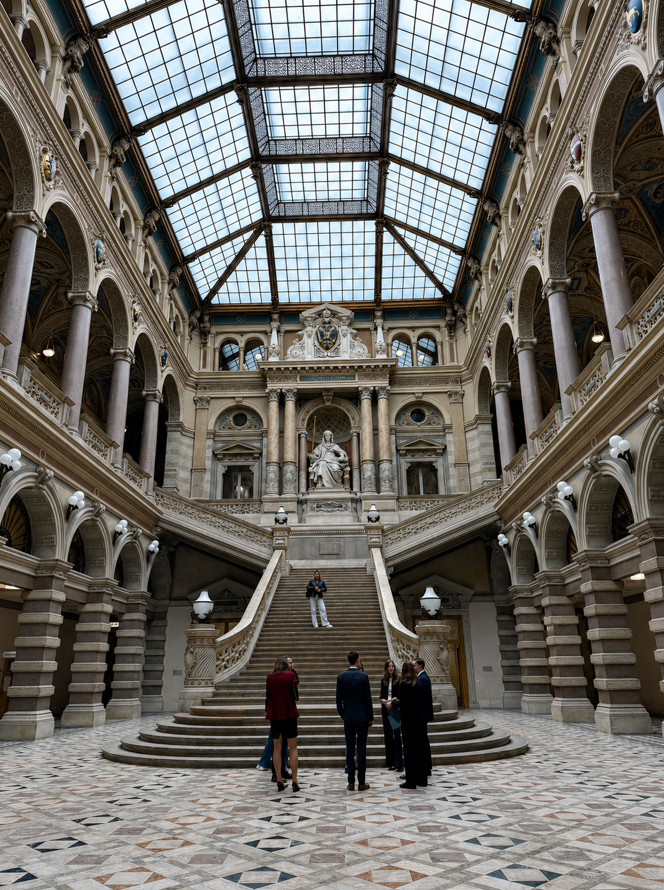
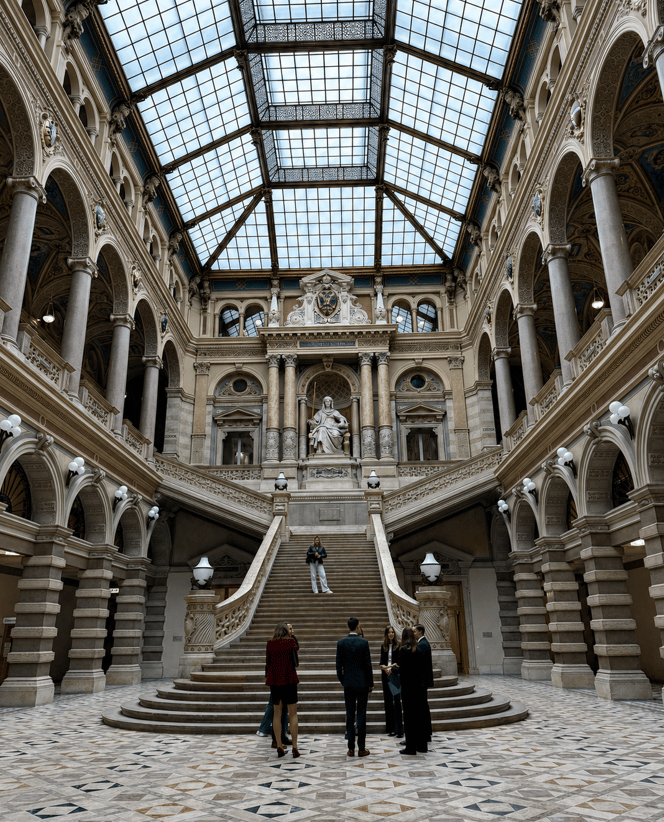
A place often overlooked by tourists, yet incredibly scenic: the Palace of Justice, with its spectacular monumental staircase and glass dome.
Not everyone knows that on the top floor there is a panoramic café, perfect for a break — and for a few Instagram-worthy shots.
Entrance is free, but admission is organised in half-hour time slots to manage visitor flow in smaller groups.
3. Forchtenstein Castle
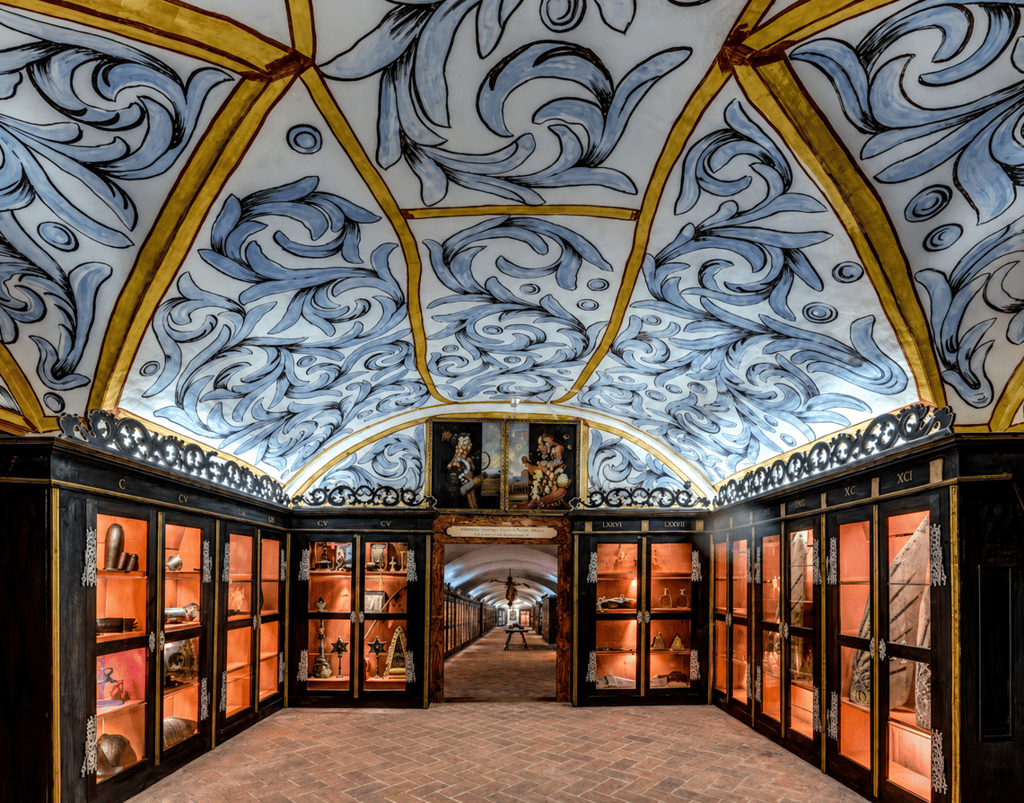
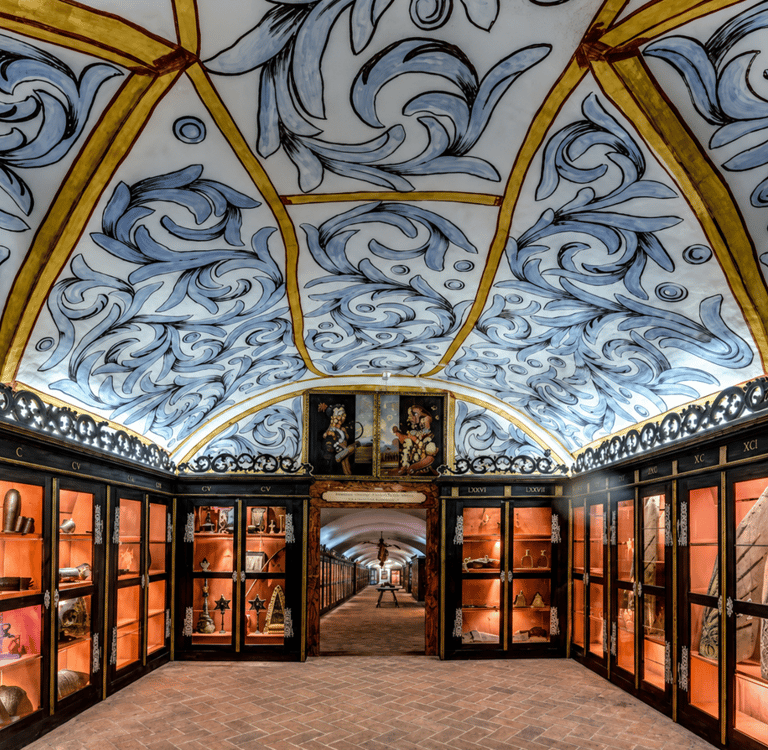
Located in Burgenland, around 45–50 minutes from Vienna, Forchtenstein Castle is one of Austria’s most spectacular fortresses, perched on a rocky outcrop overlooking the Pannonian Plain.
It is famous for three main reasons:
1. The secret treasure of the Esterházy family
For centuries, the castle served as the inaccessible treasury of the Esterházy dynasty, one of the most influential families in Central Europe.
2. The largest Baroque armoury in Central Europe
The castle houses one of the most impressive armouries on the continent: long halls filled with perfectly restored muskets, arquebuses, halberds and cannons.
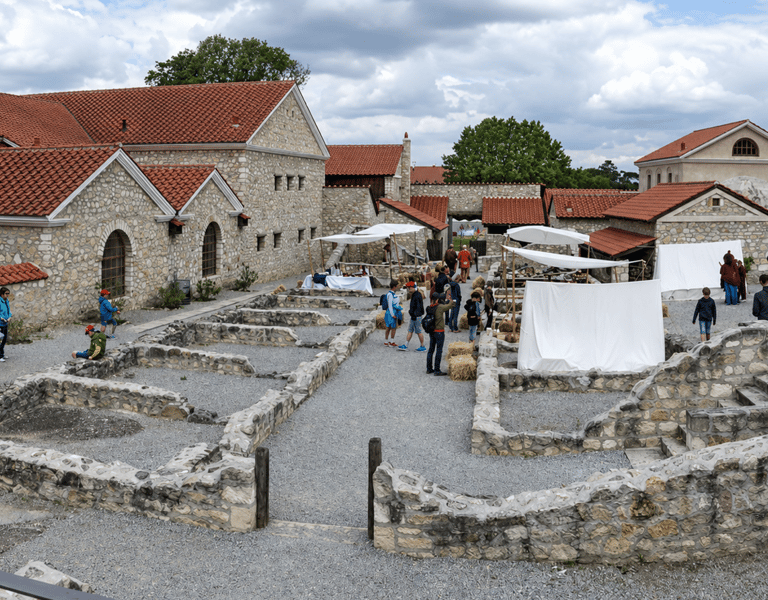
4. Carnuntum
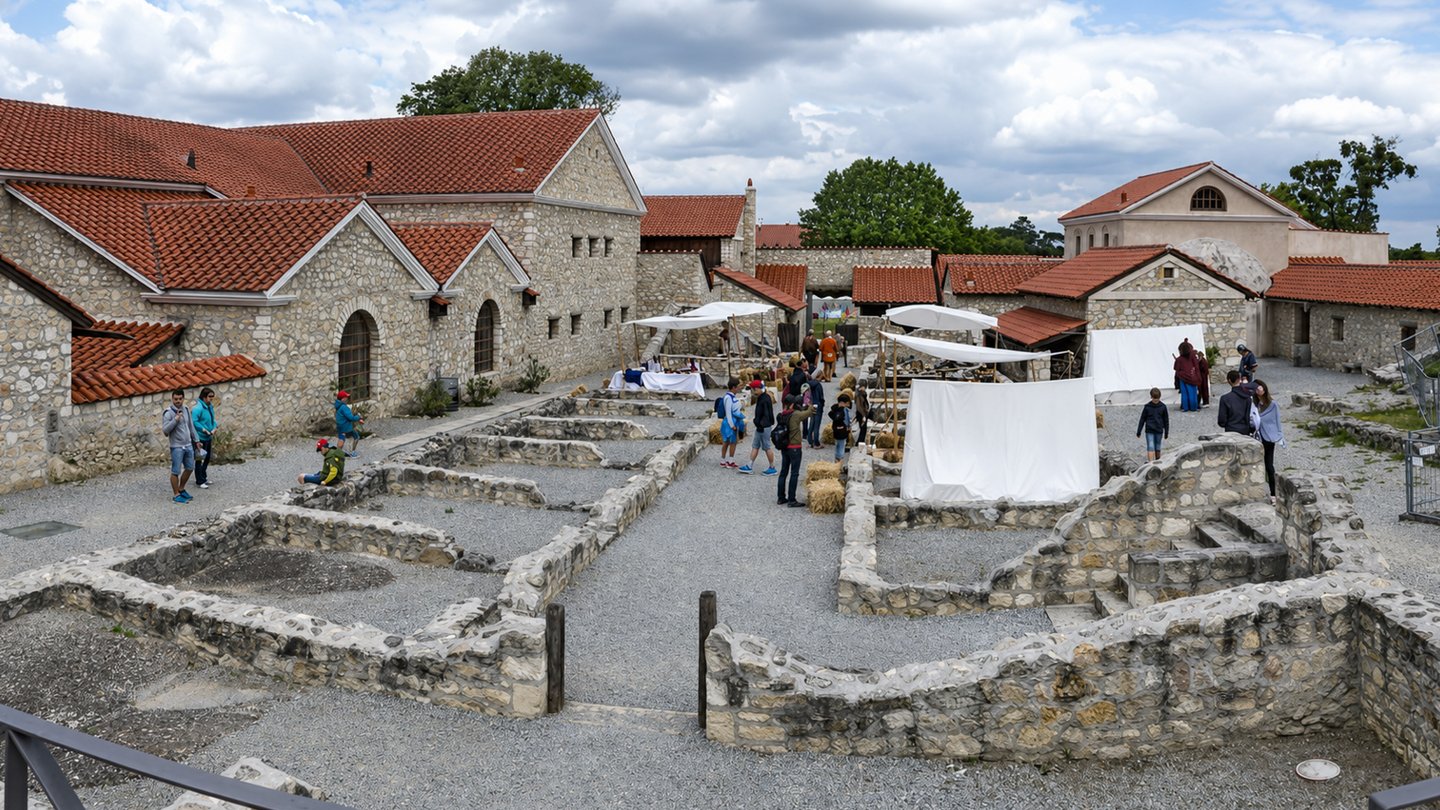
Not far from Vienna, around 30–35 minutes away, you can visit Carnuntum, an ancient Roman city that has now been transformed into a vast archaeological park.
Unlike most Roman sites, where viewing the ruins inevitably requires a good dose of imagination, Carnuntum is a “living museum”: the hypocaust heating system actually works, kitchens come to life during events and re-enactments, water flows through the baths, and you can enter the rooms to sit down, touch things and see up close how the ancient Romans really lived.
It is a true journey back in time, where Roman houses, baths and public spaces have been reconstructed exactly where they once stood in Roman times.
The entrance ticket includes the Roman Quarter in Petronell-Carnuntum and the Carnuntinum Museum in Bad Deutsch-Altenburg.
Foodie Gems
Try traditional Tafelspitz in a historic restaurant — we recommend Plachutta — or treat yourself to something sweet at Café Sacher, home of the original Sachertorte.
For lunch or dinner, avoid the most touristy areas: look for a traditional Beisl, a Viennese tavern, where you can try authentic dishes such as Schnitzel, perhaps paired with a local wine.
To round off the trip, seek out a Heuriger, a wine tavern in the suburbs, where you can enjoy rustic, authentic dishes such as goulash in a relaxed atmosphere. It is the perfect way to experience Vienna like a local.
Sample Viennese street food at the historic Bitzinger Würstelstand near the Opera: the Käsekrainer, a cheese-filled sausage, is an absolute must.
Passes and How to Save
The Vienna City Card is the best-value 72-hour pass if you want to move around freely by public transport and enjoy discounts on a wide range of attractions.
There are also “Transfer” and “Tourism” versions, which include airport transfers or guided tours.
If you are planning to visit several museums, consider the Vienna Pass instead, which offers free entry to over 70 attractions, including Schönbrunn, Belvedere, the Hofburg and the Opera.
Our Tips
If you want to enjoy the most famous palaces without the crowds, make the most of the “shift effect”: always move 30–40 minutes ahead of organised groups. At Schönbrunn, Belvedere and the Hofburg, tour arrivals are very predictable, so check opening times and try to be at the entrance a little early. It will feel as though you have the imperial palaces all to yourself.
To move around the city like a local, use the underground while avoiding the 8:00–9:00 and 17:00–18:00 rush-hour windows, when Vienna’s transport network gets genuinely busy. During the week, the underground closes shortly after midnight: if you are out later than that, consider taking a taxi or a NightLine night bus. At weekends and on public holidays, however, the underground runs all night — perfect if you want to return late after photographing Vienna lit up at night or after a concert.
To avoid tourist prices and eat like a true Viennese, head for Beisl, traditional taverns outside the most central areas. Many do not accept online reservations, but if you arrive between 11:45 and 12:00 or between 17:45 and 18:00, you will almost always find a table without waiting. These are the time slots locals tend to use, and they will allow you to enjoy a more authentic — and often more affordable — experience.
Our Journey Together Has Only Just Begun — Let’s Not Stop Here!
If you enjoyed this itinerary and it helped you plan your 72 hours in Vienna, don’t forget to follow us on our social channels — Instagram, TikTok and Facebook — so you don’t miss out on more trips, guides, tips and exclusive content.
And if you want to stay up to date with the latest news from the world of travel, don’t forget to subscribe to the newsletter.
Vienna is waiting for you: elegant, imperial, creative.
And after 72 hours, trust us — all you’ll want to do is come back.
Let us know what you think
Leave a comment
Social Link
Follow us on our social channels
Instagram, Facebook e TikTok
ContaCTS
Newsletter
© Copyright 2026 - Zaino in Due