

Warsaw in 48 Hours: Poland’s Capital of Castles, Museums, Memory and Modernity
Come vivere Varsavia al meglio in 48 ore. Dalla Città Vecchia, patrimonio UNESCO, ricostruita pietra su pietra al fascino crudo del quartiere Praga, un itinerario strutturato per non perdere le attrazioni iconiche e i tesori nascosti della capitale polacca.
VIAGGI | TRAVELS
Rebecca P. & Raffaele F.
3/4/20267 min read
There is something magnetic about a city that was 85% razed to the ground and then decided, with an almost moving determination, to shine again exactly as it once had. Warsaw is not just the capital of Poland; it is a manifesto of resilience, a vibrant, elegant and surprisingly dynamic place where mirrored-glass skyscrapers brush against neoclassical palaces, and where Chopin’s melancholic atmosphere blends with the energy of some of Europe’s coolest cafés.
The very best of the city in two days, at a gentle pace yet without missing any of the essentials.
Warsaw: A Story of Resilience, Rebirth and Beauty
Day 1: The Ancient Heart and the Echo of History
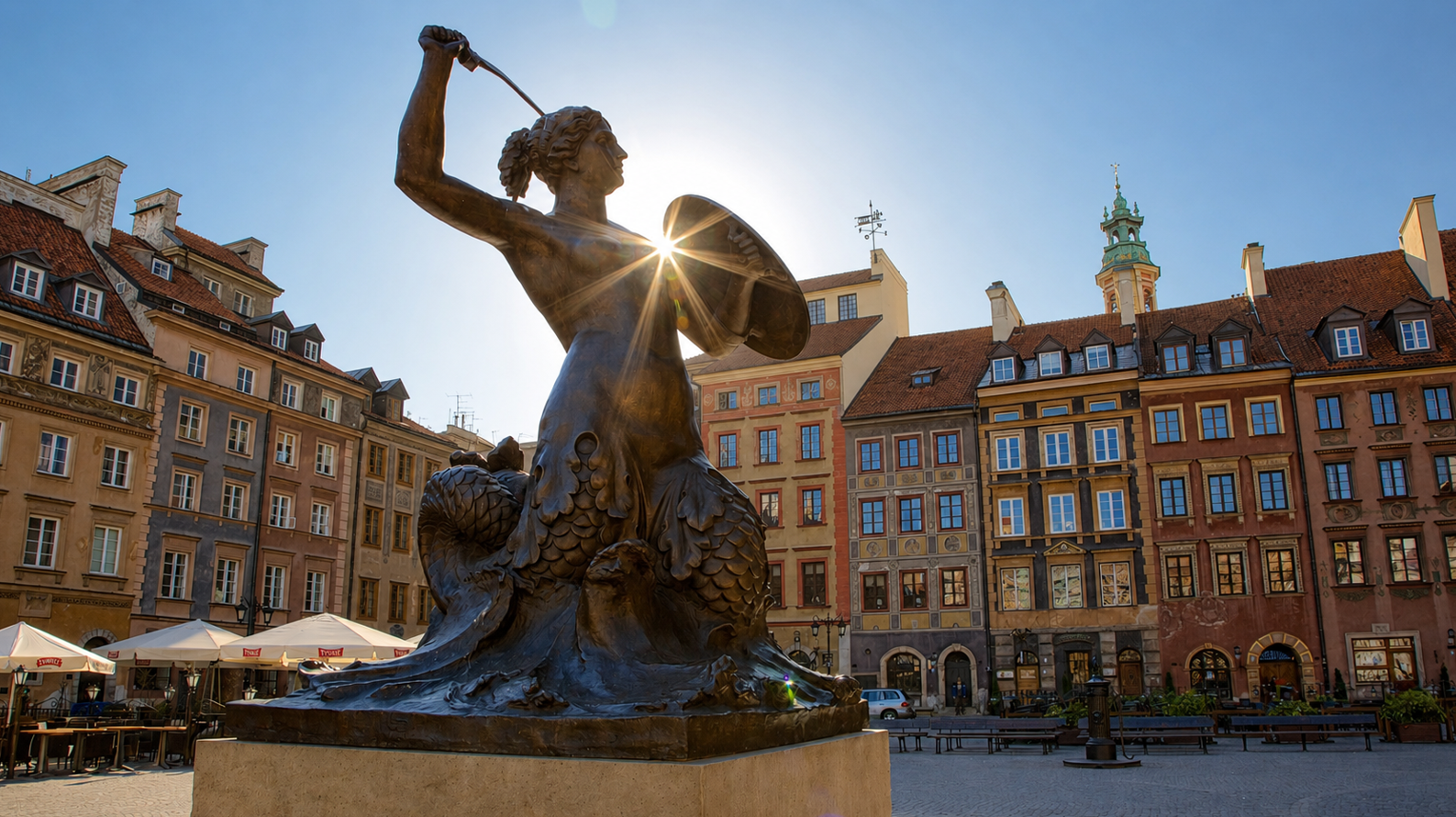
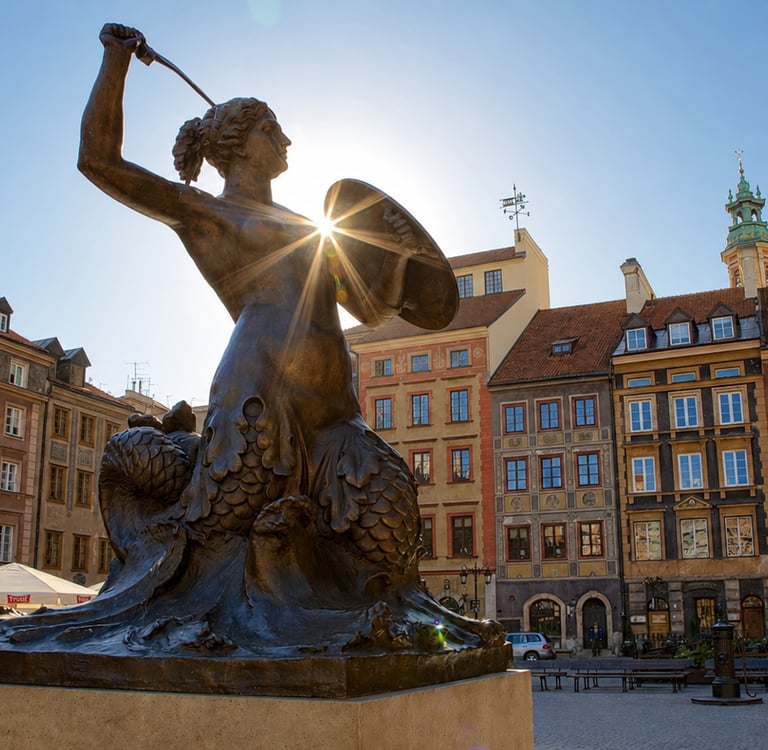
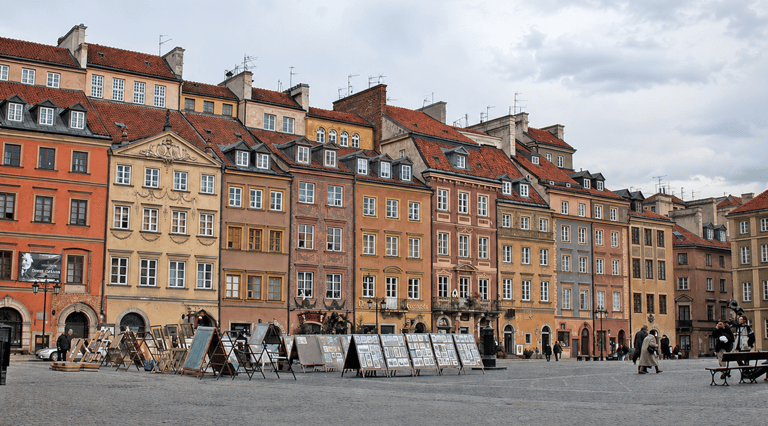
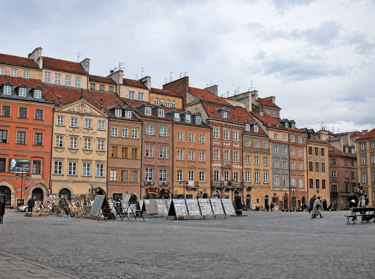
Our journey begins where everything started again: the Old Town, or Stare Miasto. As you stroll through its cobbled lanes, it is hard to believe that this neighbourhood is a meticulous post-war reconstruction — a project so extraordinary that it earned recognition as a UNESCO World Heritage Site. Its focal point is the Market Square, the medieval heart of the city: a gem surrounded by pastel-coloured façades faithfully recreated from original 18th-century paintings, with the Warsaw Mermaid, the city’s legendary guardian, standing proudly at its centre.
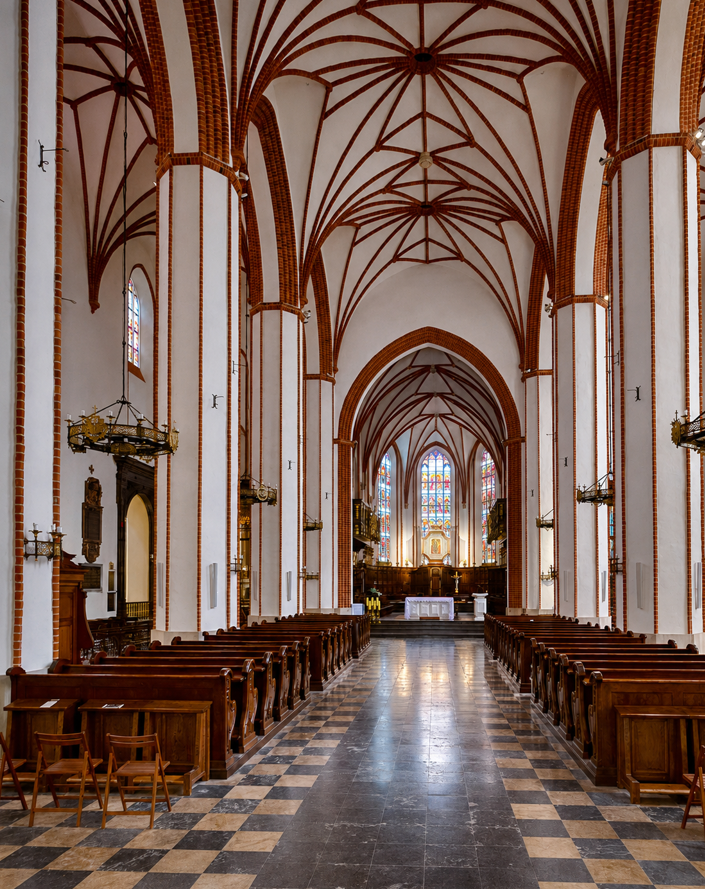
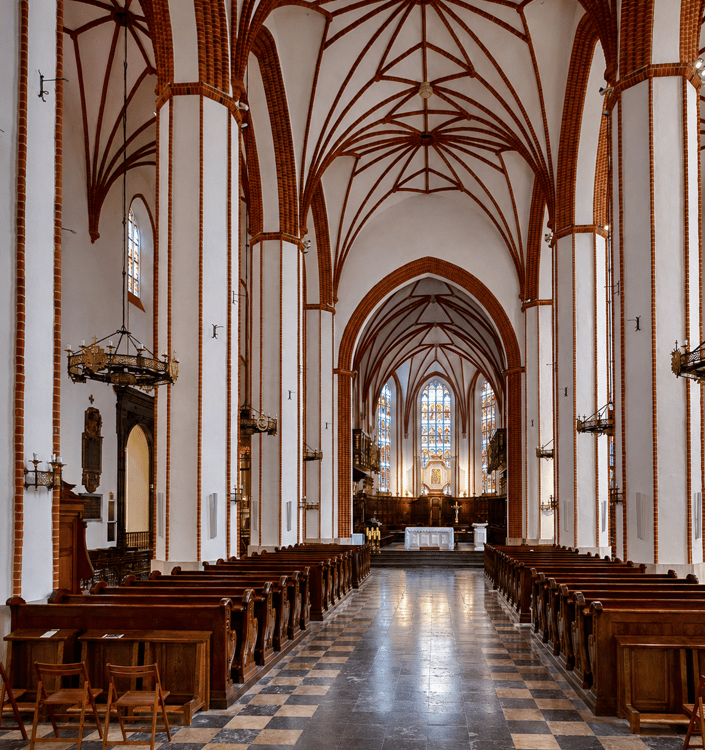
Just a few steps away rises the imposing Cathedral Basilica of St John the Baptist, one of the city’s oldest and most important religious buildings. Its red-brick exterior is striking, but it is only once inside that you truly feel the layers of Polish history. Kings were crowned here, royal weddings were celebrated here, and some of the most important chapters of the nation’s past were preserved within these walls. The original building dates back to the 14th century, but it was almost completely destroyed during the war and later rebuilt in the Masovian Gothic style. Visiting it means stepping quite literally into the spiritual heart of the capital.
Continuing the walk, your eyes inevitably fall on the red-brick silhouette of the Royal Castle, the former residence and symbol of monarchical power of the Polish sovereigns. It was here that the Constitution of 3 May 1791 was adopted, one of the most important documents in European history.
The castle was blown up by the Nazis in 1944 and later rebuilt thanks to donations from citizens: a gesture that speaks volumes about the Polish people’s love for their history.
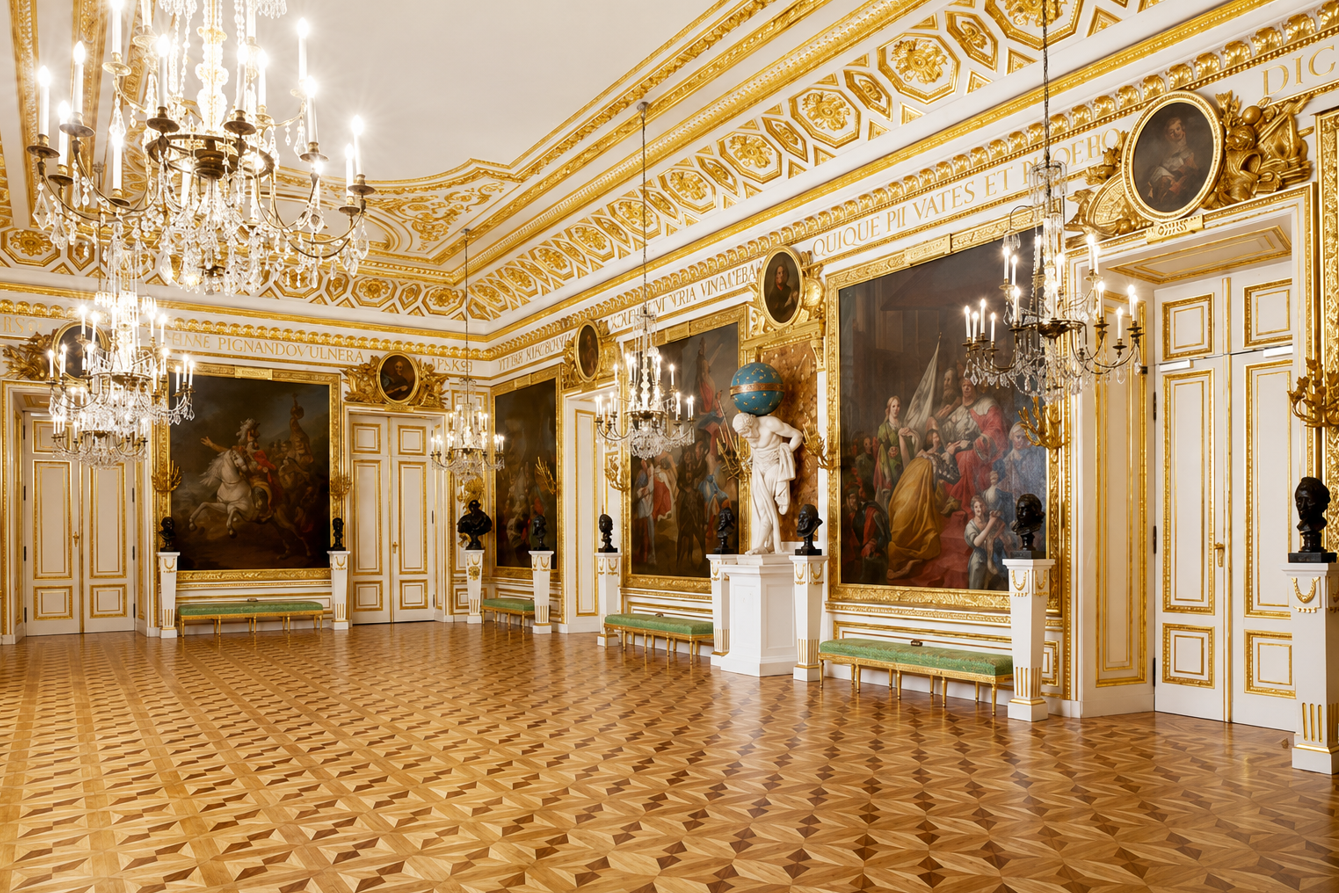
Today, the building houses a museum, whose interiors unfold in a succession of stuccoes, frescoes and lavish furnishings that recreate and recount centuries of national history.
Visiting its gilded rooms is not simply an exercise in artistic admiration, but a way to understand the pride of a people who recovered every single piece of furniture and decoration from the rubble. Climbing the tower also offers a spectacular panoramic view over the entire city.
In front of the Castle begins the famous Royal Route, or Trakt Królewski, the elegant avenue that once connected the royal residence with aristocratic mansions and today remains one of the city’s most atmospheric walks, as well as one of the most elegant streets in Europe.
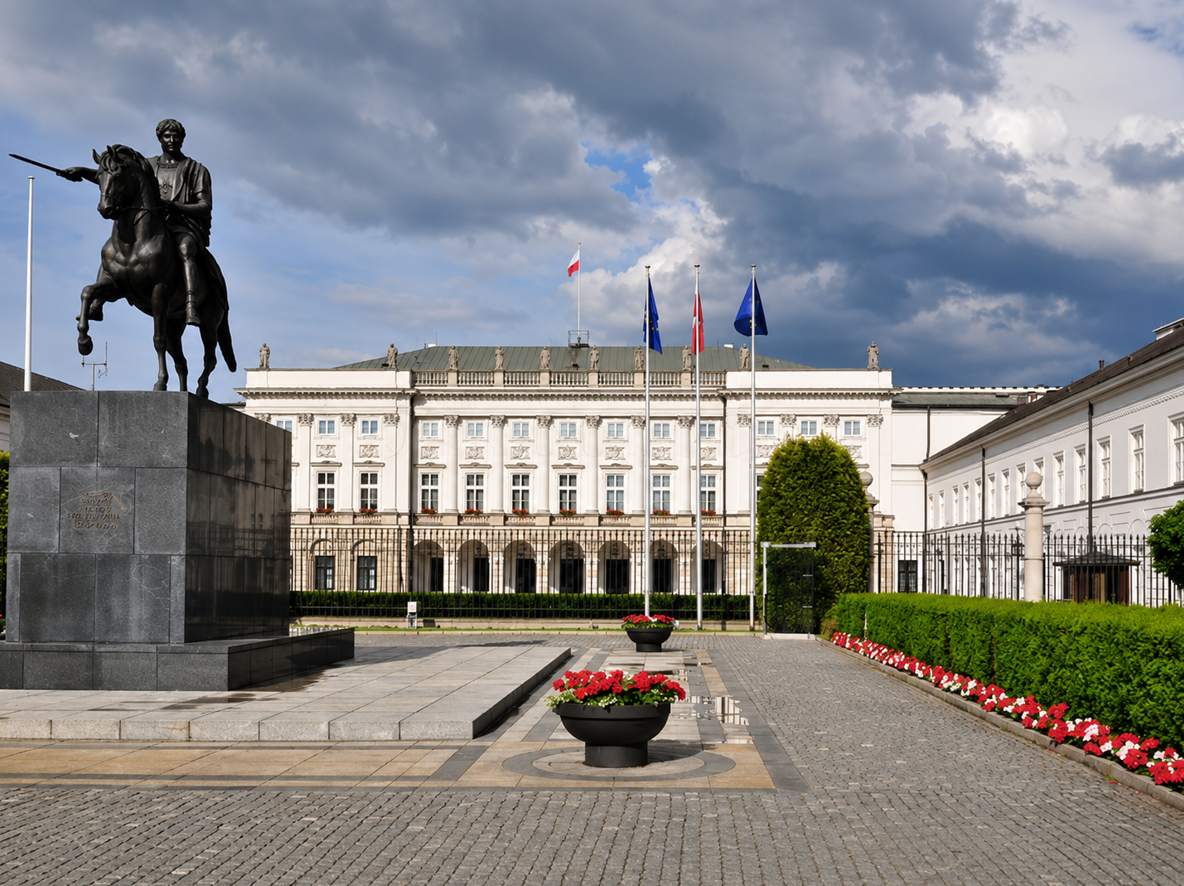
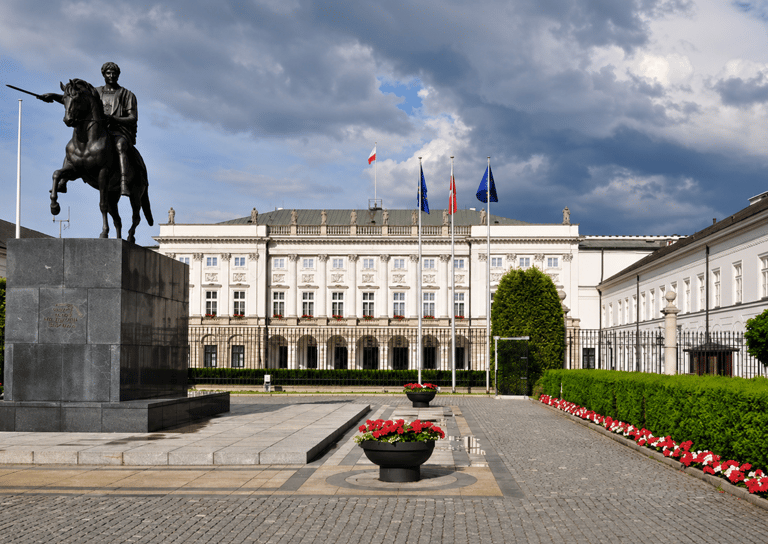
Heading south along the route, you reach the Presidential Palace, the current seat of the President of the Republic. Its elegant and restrained neoclassical façade represents the contemporary political face of the country. It is one of the most iconic buildings of institutional Warsaw and often serves as the setting for official events, ceremonies and moments of national commemoration. Although its interiors are not always open to visitors, it is well worth stopping to admire its architecture and symbolic importance.
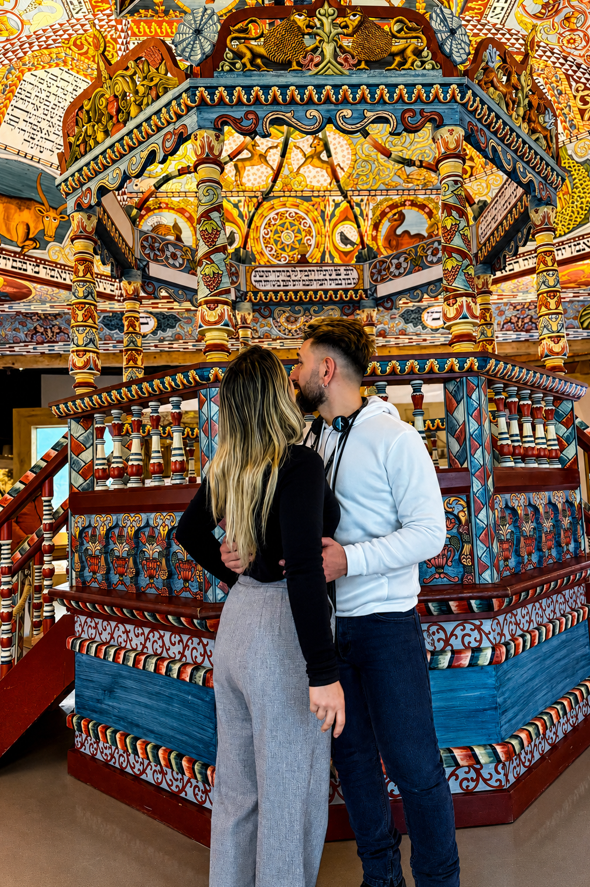
In the afternoon, it is essential to delve into the city’s deepest layers of memory. The Jewish Ghetto and the nearby POLIN Museum of the History of Polish Jews are unmissable stops.
The area of the Jewish Ghetto represents one of the most tragic chapters in the city’s history. During the Nazi occupation, it was the largest ghetto in Europe; today, only monuments, commemorative plaques and fragments of wall remain to bear witness to that dark period.
The POLIN building, by contrast, is a masterpiece of contemporary architecture and stands right in the heart of the former ghetto. Inside, the journey through a thousand years of Jewish history in Poland is a multi-sensory experience that goes far beyond the narrative of the Holocaust, celebrating the life and culture of a community that helped shape the very identity of the city.
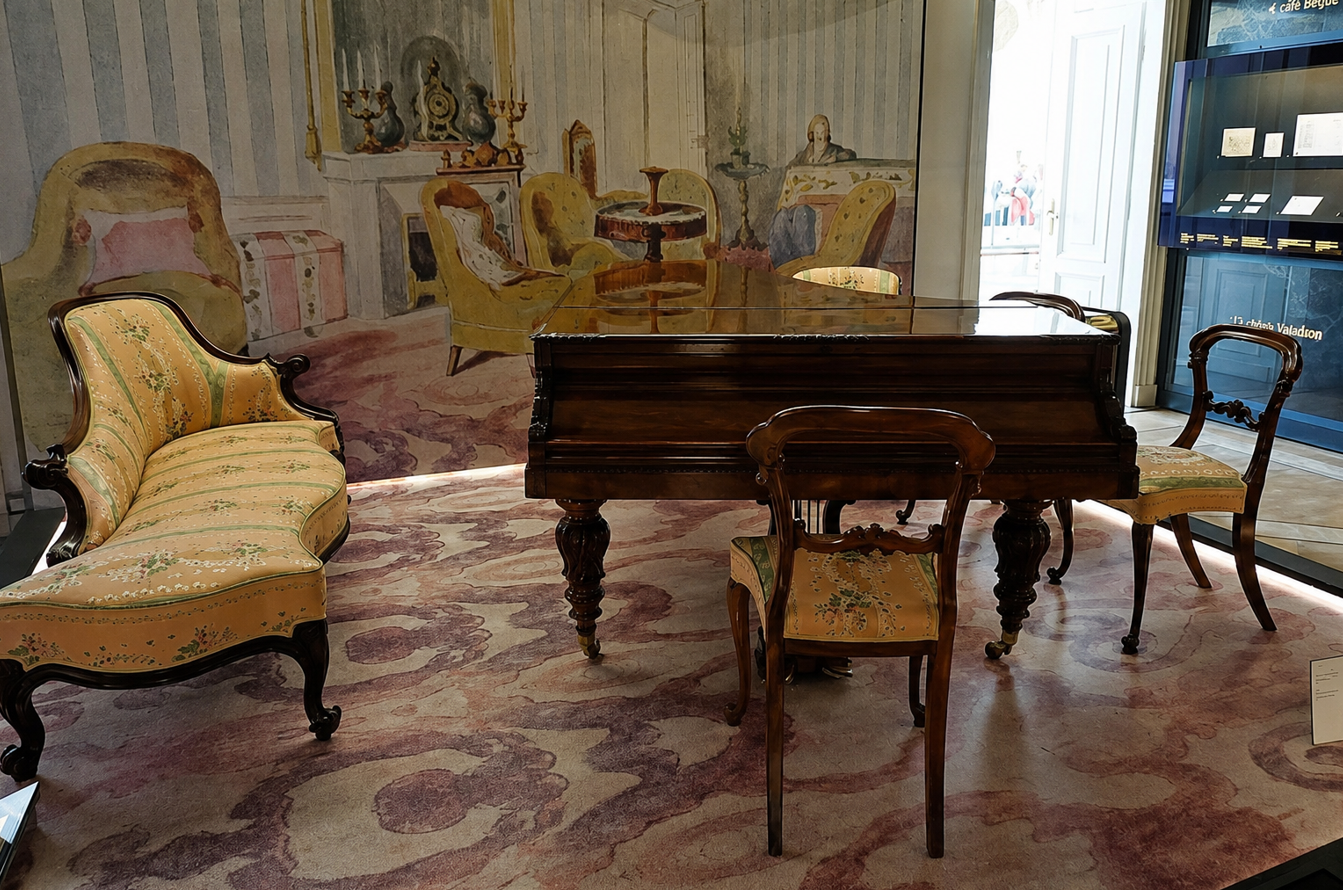
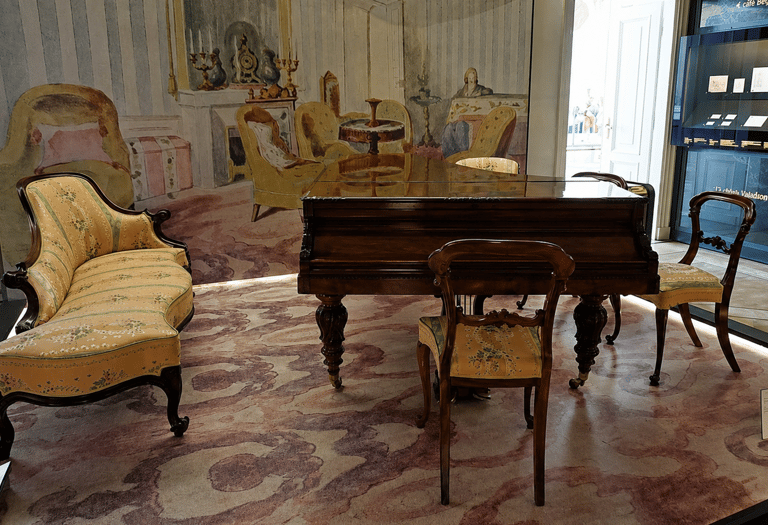
After leaving the museum, the next stop is a short break in the Saxon Garden. This public park, the oldest in the city, is home to the Tomb of the Unknown Soldier, set among geometric avenues, Baroque statues and elegant fountains. It is the perfect place to observe everyday life in Warsaw before heading towards the Chopin Museum. Housed inside an elegant historic palace, the museum is interactive and engaging, telling the story of Poland’s most celebrated composer through multimedia installations and original manuscripts.
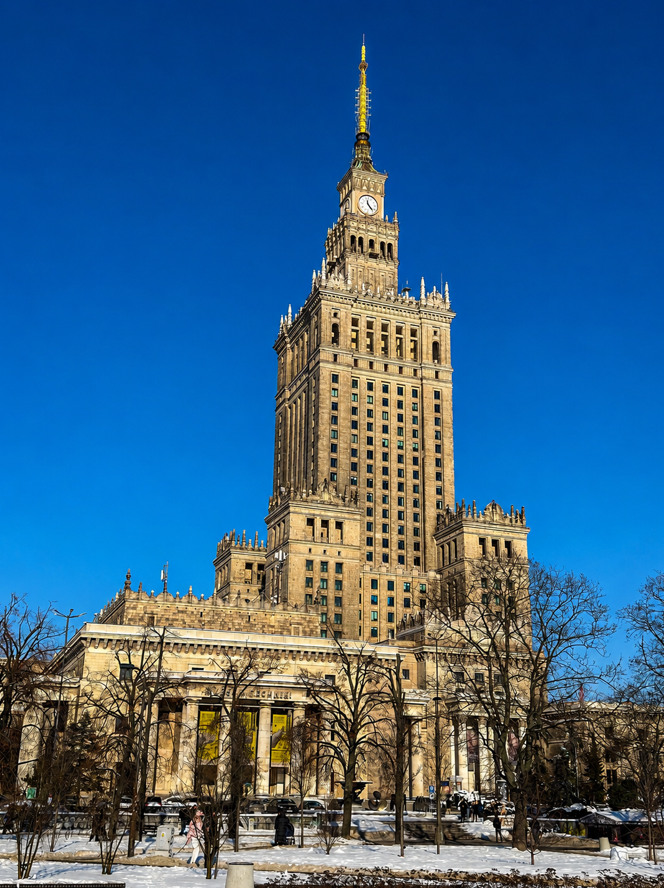
The day can only end in the shadow of the Pałac Kultury i Nauki, the Palace of Culture and Science. A controversial gift from Stalin in the 1950s, this skyscraper still divides public opinion and dominates the skyline with its imposing socialist-style architecture.
The building houses theatres, cinemas, museums and exhibition spaces. By heading up to the 30th floor, you can enjoy the sunset and watch the city lights flicker on beneath your feet in every direction: the perfect way to say goodbye to your first day in Warsaw.
Day 2: From Royal Charm to Bohemian Soul
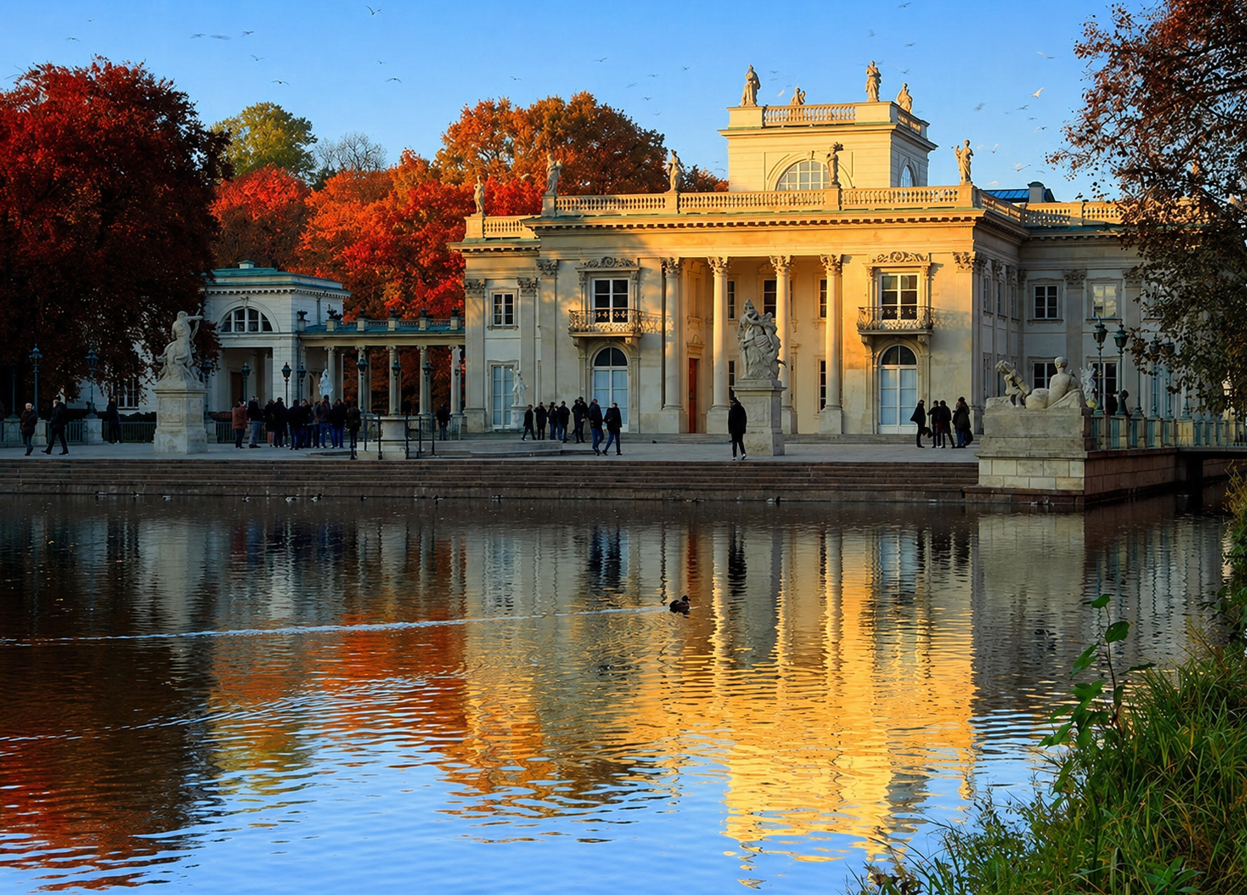
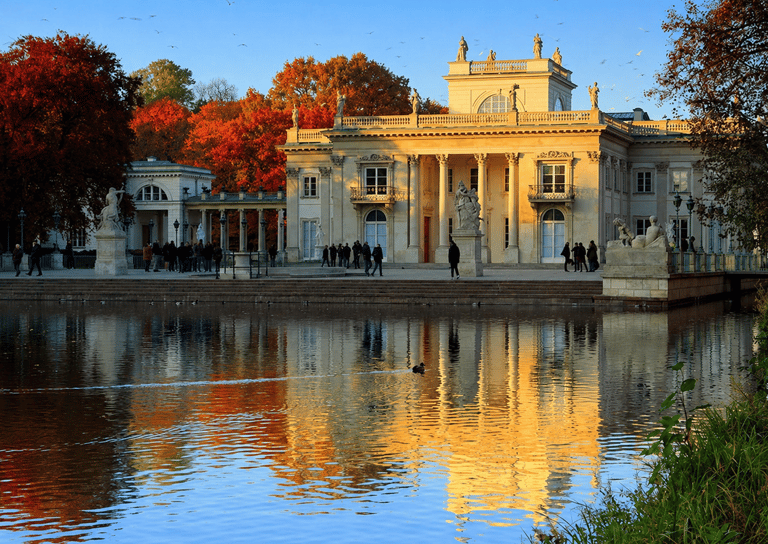
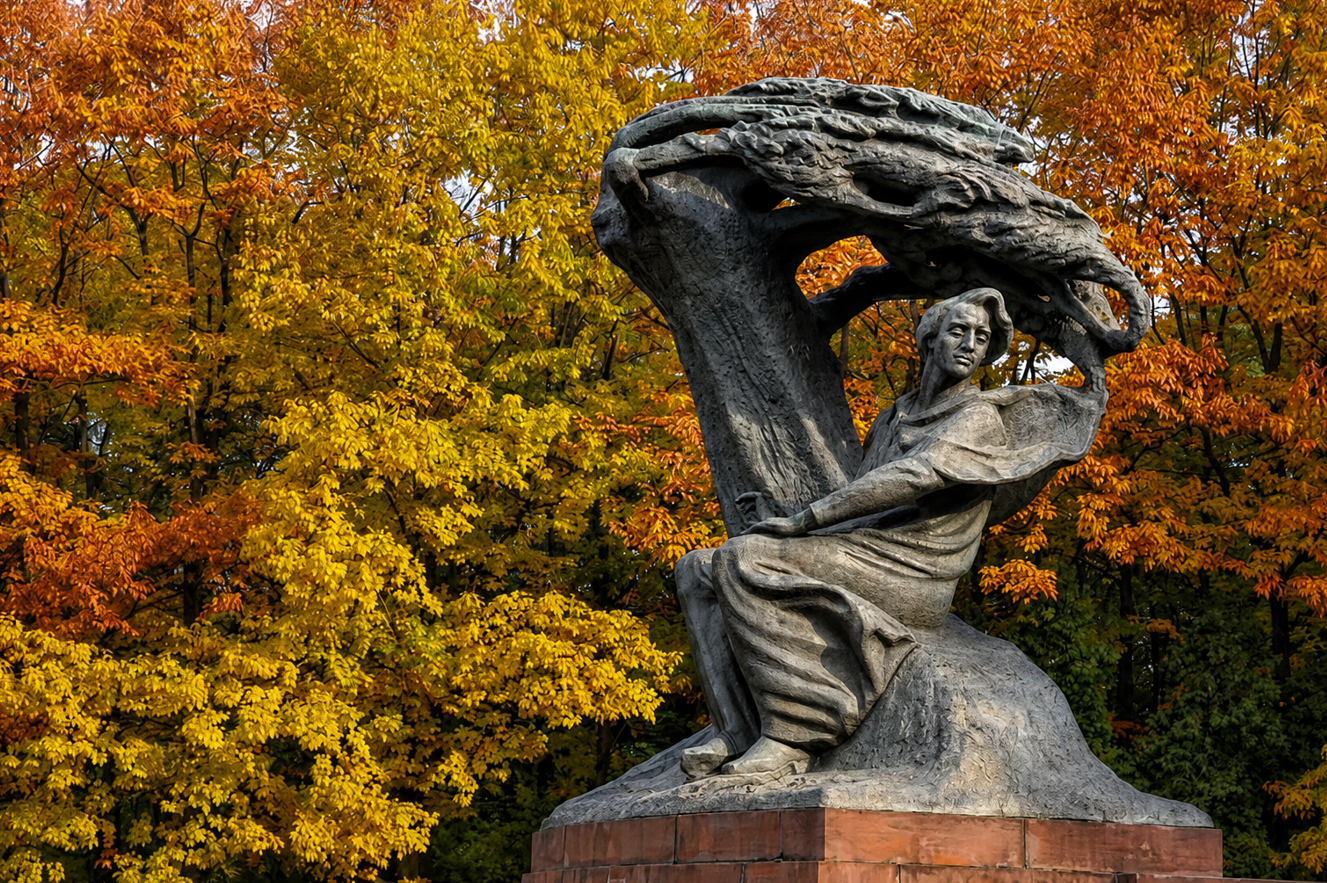
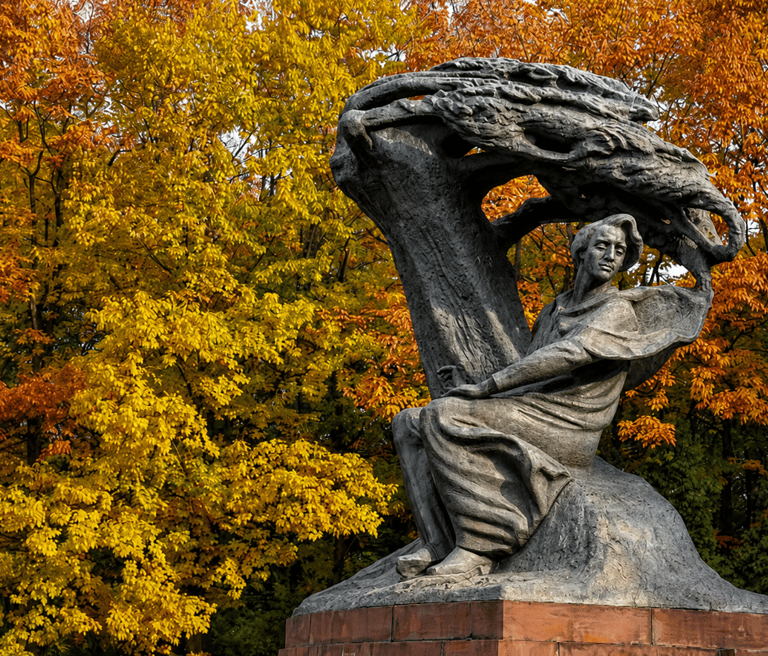
The second day calls for a different pace: more open, elegant and regal. The morning begins at Łazienki Park and Palace, known as the Royal Baths Park, an immense botanical garden dotted with pavilions, temples and a theatre on the water. As one of the city’s green lungs, it is also one of the most beloved places among locals. The neoclassical Palace on the Isle, reflected in the waters of the lake, seems to float outside time. If you visit Warsaw in summer, you may even be lucky enough to attend a free Chopin concert beneath the famous monument dedicated to him.
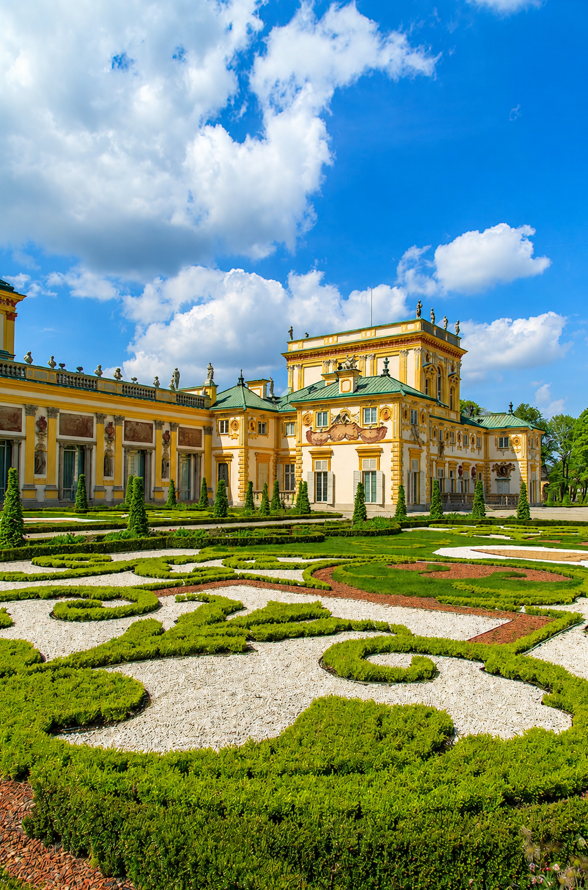
Wilanów Palace is the ideal place to go even deeper into the city’s royal past.
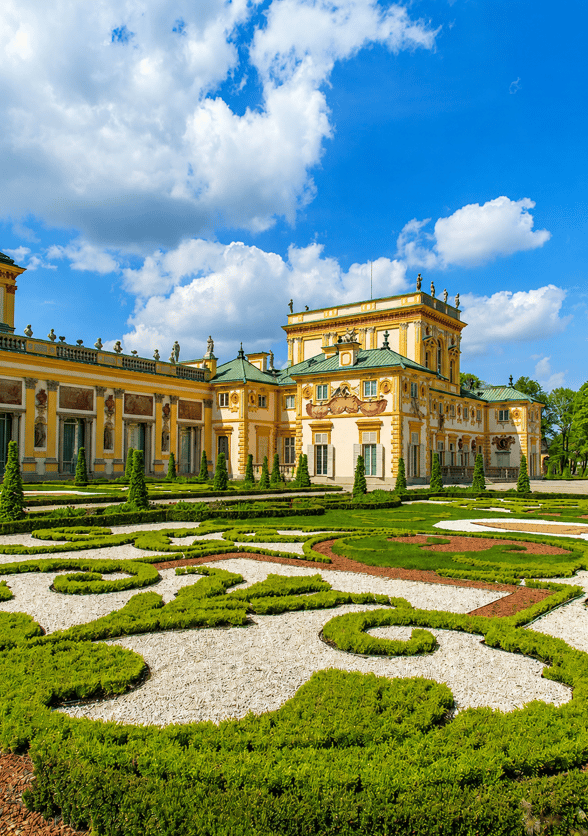
This Baroque villa, once the summer residence of King John III Sobieski, miraculously survived partitions and wars, preserving its splendour almost intact. The interiors are rich in decoration and works of art, while the Italian and English-style gardens surrounding the palace are the perfect setting for a walk through a glimpse of aristocratic life from centuries past.
Its elegance and refinement have earned it the nickname of the “Polish Versailles”.
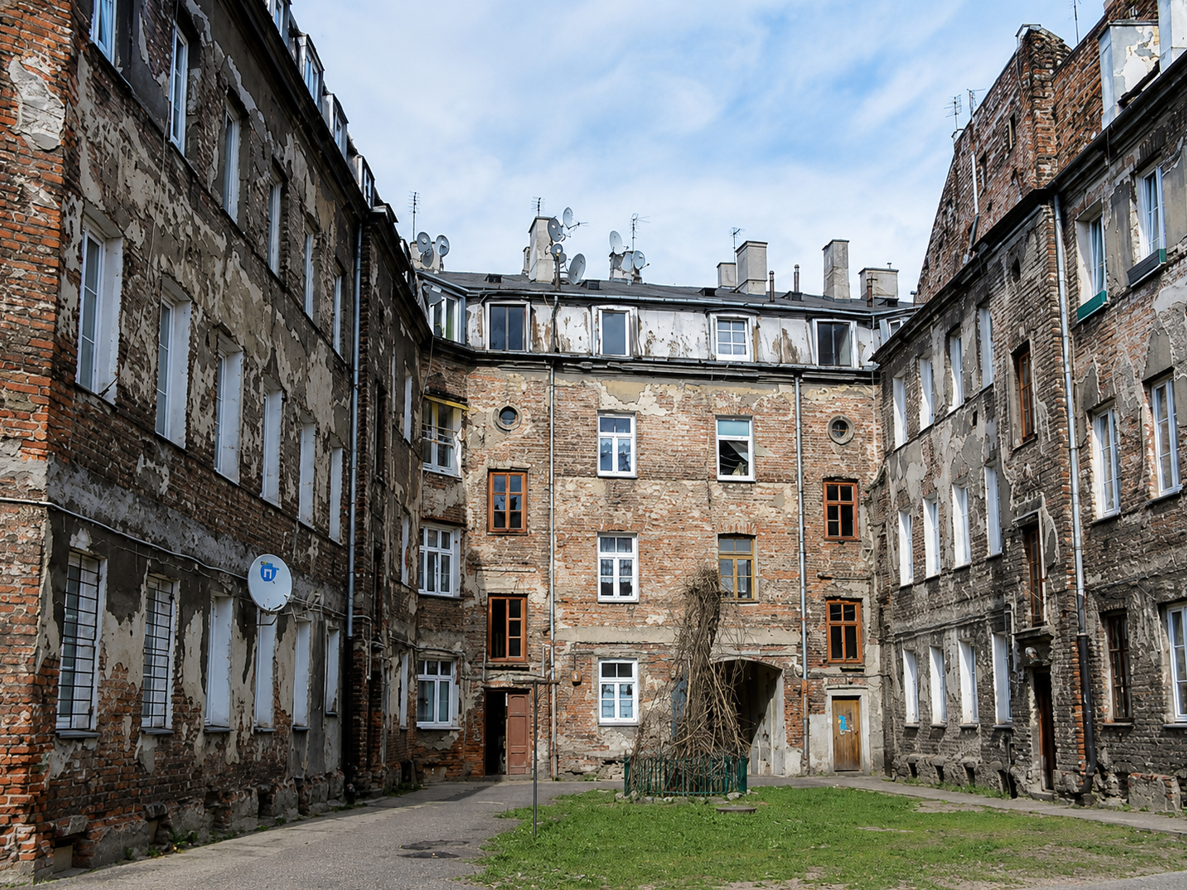
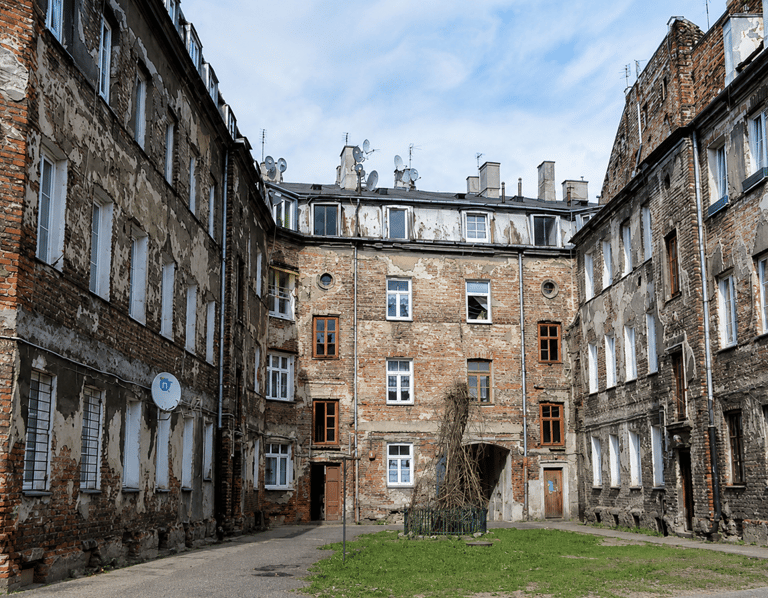
In the afternoon, cross the Vistula River to discover Warsaw’s most authentic and raw side: the Praga district. For decades considered a “difficult” area, Praga is now the city’s creative district. Here, you will not find the polished perfection of the Old Town, but buildings still marked by bullet holes from the Second World War, hidden courtyards with small votive shrines, and an overwhelming artistic energy. This is the neighbourhood of designers, independent art galleries and venues carved out of former factories. Walking through Praga means experiencing the true underground soul of the capital first-hand.
The banks of the Vistula, known as the Bulwary, have also been recently redeveloped and now offer kilometres of pedestrian paths, floating bars and urban beaches.
Practical Tips for Your Weekend
Warsaw’s public transport system is excellent. Trams, buses and the metro — spotless and efficient — allow you to cover long distances in a short time.
Tip 1: buy a daily or 48-hour ticket to save money and enjoy maximum flexibility.
When it comes to food, do not limit yourself to tourist restaurants.
Tip 2: look for the Bar Mleczny, or Milk Bars: historic eateries dating back to the socialist era, where you can eat homemade food at very low prices. It is a genuine cultural experience, as well as a gastronomic one.
If, on the other hand, you are looking for something more modern, the Hala Koszyki area is a converted covered market offering cuisine from all over the world in an industrial-design setting.
Don’t Miss Our Next Adventures!
If this guide has been useful and you want to discover more itineraries away from the usual routes, don’t forget to join our community! We regularly publish new content, photography tips and travel secrets based on our own first-hand experiences, to help you travel better while spending wisely.
To make sure you never miss any of our adventures, subscribe to our newsletter and follow us on Instagram, Facebook and TikTok.
Are you ready to catch the next flight with us?
Let us know what you think
Leave a comment
Social Link
Follow us on our social channels
Instagram, Facebook e TikTok
ContaCTS
Newsletter
© Copyright 2026 - Zaino in Due